
Every day, community members across the country miss out on educational, employment, and social opportunities simply because they do not have access to clean clothes. The laundry services children, youth, young adults, families, and older adults receive through community-based organizations in the Social Current network play an important role in helping them manage through a challenging moment in their lives.
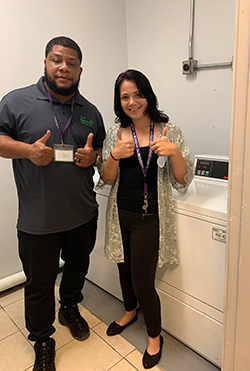
To help respond to this critically important need for clean clothes, Social Current collaborates with CSC ServiceWorks Inc. (CSC), the industry leader in laundry solutions, by participating in its national effort to donate commercial-grade washer and dryer equipment and in-kind maintenance services in 40 communities throughout the U.S. They seek to lighten the load of community members around the country.
“We’re thrilled about the impact our partnership with CSC ServiceWorks is having on community-based organizations and people across the country. Their unwavering belief that laundry is an essential service has helped to improve people’s lives and strengthen the infrastructure and operations of organizations within the Social Current network.” said Jody Levison-Johnson, president and CEO of Social Current.
In 2021, CSC ServiceWorks donated hundreds of washers and dryers as well as ongoing maintenance services to provide reliable laundering operations for organizations and their beneficiaries. This year, the partnership will continue to expand into new markets and offer additional services such as air vending and ongoing machine maintenance.
“When our teams were made aware of the challenges that neighbors face in accessing laundry services and community centers have in maintaining washers and dryers, we jumped into action,” said Rick Martella, executive vice president at CSC ServiceWorks. “We are honored to partner with Social Current to bring laundry services closer to home and show our neighbors we care about their success. This is part of CSC’s ongoing mission to provide critical services that enable people to succeed.”
Through its CommunityWorks initiative, CSC ServiceWorks helps people be ready for school, work, and life. The company applies its resources, and skills to spotlight this mostly hidden laundry challenge and rally others to take action.
The impact of these donations is being felt far and wide. One participating organization, PB&J Services in Albuquerque, New Mexico, is using its new commercial laundry machines in its pre-K class and community center. “We now have access to reliable laundry equipment that can be used to clean masks, children’s dirty clothing, towels, and other supplies. We also are providing clean clothing for clients, which removes a barrier to confidently accessing employment, education, and community services and improving overall self-image and well-being,” said Tashi Swierkosz, development & communications manager at PB&J Services. She went on to share, “The CSC employees made the installation process as smooth as possible. They were very responsive, compassionate, and enthusiastic about supporting PB&J and our families.”
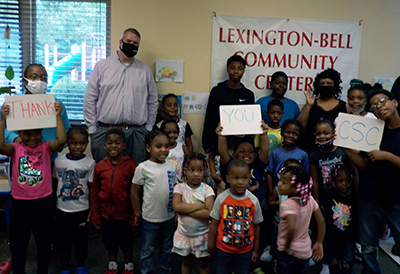
PB&J is one of 20 organizations that have received equipment in 2021. A few other beneficiaries include:
- Casa Central Social Services Corporation in Chicago, helps families experiencing homelessness by providing interim housing, case management and support services. This donation has enabled families to do their own private laundry and have access to clean clothes.
- Ruth Ellis Center Kofi House program serves low-income LGBTQ youth in Detroit. Thanks to this donation, clients do not have to decide between clean clothes or food on the table.
- Shiloh House in Littleton, Colorado, provides therapeutic care and a home-like environment for foster youth who have experienced abuse and neglect. The new equipment allows young people the opportunity to do their own laundry and gain autonomy and responsibility.
To facilitate this laundry initiative, Social Current connects local CSC teams with community-based organizations to assess laundry operation needs and install new equipment. If your organization is interested in exploring a potential relationship with CSC ServiceWorks for donated commercial laundry equipment and service, air vending service and volunteer engagement in 2022 please contact Emily Merritt, corporate relations manager at Social Current, to determine your eligibility.
About CSC ServiceWorks
CSC is the leading consumer services platform company in North America that delivers technology-enabled laundry services in the multifamily, academic, and hospitality markets and tire inflation services in the convenience store and gas station space. We work to make life easier by providing seamless experiences and world-class service to millions of consumers, property managers, and owners every day. Our engaged team members continue to innovate and lead our industry as we find new ways to deliver value to our customers and the communities we serve.
Social Current has collaborated with Prevent Child Abuse America on a new toolkit to help community-based organizations understand how to advocate for and access funds available through recent opioid settlements with pharmaceutical companies. The prevention and treatment services that community-based organizations provide are essential to addressing the ongoing opioid epidemic.
After a lengthy legal process to hold companies accountable for downplaying the addictiveness of opioids, 47 states have settled with opioid manufacturers, pharmaceutical distributors, and pharmacies for $26 billion. Separate opioid settlements are in process or concluded in the remaining states as well as additional localities. Though the funds resulting from the major settlement are temporarily in limbo because of legal action taken by the family that owns Purdue Pharma, these resources will ultimately be used to address the opioid crisis, and it is critical that community-based organizations begin preparing now to ensure that these funds are used not just for treatment, but also for prevention.
The settlement funds, proposed to be disbursed over the next 18 years and frontloaded at the beginning, will go to states and localities for the purpose of addressing the opioid epidemic. As these funds flow to entities across the nation, community-based organizations must have a seat at the table to decide how these funds are spent locally. These will be significant investments in the kinds of services our sector provides. The deep impact of the opioid epidemic has made it clear that a major part of the solution will be strengthening communities with upstream resources and supports.
This guide offers tools and resources to help community-based organizations navigate the complex legal and legislative process. Organizations should reach out to relevant stakeholders immediately, as these decisions are being made now in many states.
Download the toolkit from the Policy Action Center.
The Infrastructure Investment and Jobs Act, just passed by Congress, includes several provisions of importance to the charitable nonprofit sector, yet curtails essential relief enacted earlier this year. The nonprofits listed below celebrate many helpful aspects of the law and urge Congress and the administration to quickly take action to enact further #Relief4Charities:
“The Infrastructure Investment and Jobs Act includes several priorities that will assist nonprofits and the communities they serve. We are glad to see the inclusion of a Nonprofit Energy Efficiency pilot program that awards $50 million in grants for charitable organizations to make upgrades to their facilities and $65 billion to support broadband access for all.
“We are disappointed however, that the bill eliminated the Employee Retention Tax Credit for the fourth quarter of this year. The ERTC, which has been a lifeline for many nonprofits, is a refundable payroll tax credit for nonprofits and small businesses designed to provide a financial incentive for employers to keep employees on their payrolls and continue to deliver important services during the pandemic and in its immediate aftermath. It has allowed them to retain critical employees in the face of the economic challenges caused by the pandemic. Tens of thousands of organizations are now counting on fourth quarter 2021 access to an ERTC to support the financial decisions they made to bring employees back on the payroll and increase operating capacity to serve their communities.”
“As Congress and the White House continue negotiations on the best ways to support American families and the economy, we encourage them to prioritize continued support for ERTC allowing charitable nonprofits to access the ERTC during the Fourth Quarter of 2021; extending nonprofit eligibility for the ERTC through 2022 to help ensure a strong economic recovery from the pandemic; and, amending the definition of nonprofit “gross receipts” for the ERTC program to better reflect revenue available to support nonprofits amid the pandemic.”
###
American Alliance of Museums
Association of Art Museum Directors
Boys & Girls Clubs of America
Catholic Charities USA
Dance/USA
Girl Scouts of the USA
Girls Inc.
Goodwill Industries International Inc.
Independent Sector
Jewish Federations of North America
League of American Orchestras
National Council of Nonprofits
Network of Jewish Human Service Agencies
OPERA America
Social Current (formerly Alliance for Strong Families and Communities and Council on Accreditation)
Union of Orthodox Jewish Congregations of America
YMCA of the USA
Washington, D.C. – Social Current, formerly the Alliance for Strong Families and Communities and Council on Accreditation, announced today a cooperative agreement with the Department of Justice’s Office for Victims of Crime (OVC) for Fostering Resilience and Hope: Bridging the Gap Between Law Enforcement and The Community. The agreement will support a three-year demonstration initiative that will infuse hope theory to assist law enforcement officers with addressing trauma and adversity in order to repair and rebuild relationships within the community. Social Current will receive $1 million to oversee technical assistance to two sites with the full grant totaling $4 million. Selected sites will be announced at a later date.
“The Department of Justice is committed to advancing work that promotes civil rights, increases access to justice, supports crime victims, protects the public from crime and evolving threats, and builds trust between law enforcement and the community,” commented Stacy Phillips, Victim Justice Program Specialist for the Office for Victims of Crime for the Department of Justice. “This program furthers the Department of Justice’s mission by advancing law enforcement policies and practices that promote justice and healing for all victims.”
“The award of this cooperative agreement reflects recognition of our expertise in helping support organizations in their equity, diversity, inclusion (EDI), and racial justice journeys, as well as our work in engaging victim-centered organizations in multidisciplinary, national scope technical assistance projects to accelerate innovation and knowledge,” commented Jody Levison-Johnson, president and CEO of Social Current. “The work of Social Current is to facilitate collaboration and innovation and advance policy and practice excellence within organizations and across systems. We believe this initiative will play a significant role by creating a learning community and building a body of knowledge around resilience and community engagement.”
“Building hope is about honoring, trusting, respecting, valuing, and amplifying opportunities within communities,” noted Dr. Chan Hellman, a respected expert in hope science and training and founder of Chan Hellman LLC. “We believe that hope may provide a simple shared language that can be useful to the community as they work to move past awareness status into actionable goals and pathways aimed to dismantle systemic oppression and racism.”
The initiative will include training, capacity development, advocacy, and outreach with a goal of repairing and rebuilding trust between law enforcement and the communities they serve and enhancing law enforcement officers’ ability to effectively engage with community members. Additionally, the effort is geared to increasing the likelihood that the community will assist in investigations to make communities safer and hold those responsible accountable. The goal is to increase the likelihood that crime victims will report their victimizations to the police, reducing the likelihood of re-victimization, and helping to build safer communities, where all residents thrive.
The program builds on a previous initiative known as the Healing Justice Alliance Initiative, which explored demonstrated strategies for implementing a trauma-informed and collaborative approach to build trust between communities of color and law enforcement agencies. Informed by young men of color who are survivors of violence, the project’s outcomes improved lives, by pointing to ways to manage trauma, and focusing on changing community conditions that produce trauma.
Romero Davis, senior program manager for Practice Excellence at Social Current will head the technical assistance team. He also serves as senior program manager for Equity, Diversity, and Inclusion and Engagement at Social Current. Romero is a mentor; an award-winning leadership, professional development, and life coach; published author; and an advocate of safe communities and families. Romero has been active nationally working with agencies in areas such as poly-victimization; trauma in families; equity, diversity, and inclusion; juvenile justice; and domestic violence. Romero previously served as program manager for agencies focused on sexual assault and domestic violence.
Romero will be joined by Social Current colleagues Undraye Howard, Amy Templeman, Karen Johnson, Kelly Martin, Rehana Absar and Phyllis Richards who bring a range of expertise and experience to the team. They will be joined by a talented team with diverse expertise that includes Dr. Chan Hellman and T/Cpl Meghann Holloway.
Key elements of the technical assistance will include:
- Working with demonstration sites to develop a train-the-trainer curriculum to foster a law enforcement culture rooted in Hope Theory;
- Development of a detailed plan for implementation and dissemination agency wide;
- Development of a strategic plan for the agency that incorporates tangible goals and objectives for implementing a hope-centered agency framework and practice that responds to the needs of officers;
- Development of new or expanded policies and best practices that operationalize a common language of hope tailored for law enforcement that promote safety, well-being, and community-oriented policing practices that can be adopted by other communities across the nation;
- Creation and implementation of a cohesive and actionable plan to respond to and reduce traumatic stress throughout the agency;
- Development of a diverse community advisory council that will be charged with helping law enforcement implement a hope-centered approach by creating and maintaining community relationships and coordinated outreach; and
- Documentation and dissemination of best practices and lessons learned informed by national research and local analysis that can serve as guide for system transformation.
Media Notes: For more information or to request an interview, please contact Jennifer Devlin at 703-966-3241 or jdevlin@social-current.org.
###
A few days ago, the American Academy of Pediatrics (AAP), American Academy of Child and Adolescent Psychiatry (AACAP), and Children’s Hospital Association declared a national emergency in children’s mental health, citing the serious toll of the COVID-19 pandemic on top of existing challenges.
Prior to the pandemic, suicide was the second leading cause of death for youths ages 10-24 years. Between March and October 2020, during the longest quarantine period, suspected suicide attempts increased nearly 51% among girls ages 12-17 years, according to the CDC. Mental health-related emergency room visits rose by 24% for children ages 5-11 years and 31% for children ages 12-17 years.
In a statement, Jody Levison-Johnson, president and CEO of Social Current, noted:
“We agree with the AAP and others that behavioral health issues among teens and adolescents have been a significant concern for many years, but have reached previously unseen peaks during the trauma, loss and isolation of the pandemic. Current brain science tells us that relational health and positive childhood experiences mitigate the impact of toxic stress. As we respond to the current crisis, we can build equitable access to mental health services aligned with community needs, along with resources for families that promote strong relationships and resilience. We support the range of policy solutions advocated by the AAP. Now is the time for policymakers to act, partnering with the behavioral health community to tackle these pressing challenges.”
New organization unveiled during SPARK 2021 Conference
Washington, D.C. – The Alliance for Strong Families and Communities and Council on Accreditation (Alliance-COA), which earlier this year announced their intent to merge, today unveiled their new organization, including their name and brand. Social Current will represent a network of thousands of social-sector organizations working in partnership to activate the power and impact of the social sector. Social Current is headquartered in Washington, D.C.
The announcement comes after a nine-month integration process that began in January and follows a year-long exploration and due diligence process overseen by both organizations, which share a long history and vision, with the Alliance serving as one of the original founders of COA in 1977.
“We are incredibly excited to come together as Social Current with a mission to advocate for and implement equitable solutions to society’s toughest challenges through collaboration, innovation, policy, and practice excellence,” noted Social Current’s inaugural president and CEO Jody Levison-Johnson. “At a time in our history where the need to do more and do better have never been so clear, Social Current will ignite change and spark greater impact across the social sector. With Social Current, we will bring together a unified, intrepid, just, and purposeful network that fuels each other’s knowledge, expertise and experience to make real and lasting impact.”
Social Current will engage a broad, multifaceted and larger network of organizations and partners with a diversified range of offerings that contribute to the reach and influence of the human and social services sector. Core service offerings include:
- Community and Networking: Peer exchange groups centered around leadership, fund development, performance excellence and human resources as well as key issue areas such as health, education, and equity.
- Innovation and Collaboration: Unique learning communities that will enable collaboration among like-minded organizations and leaders to enhance their knowledge base, share ideas and strategies, deepen their insights, and build a professional network of colleagues in critical issue areas including developing neuroscience-informed and equity-centered programs, practices, and policies and creating approaches for action to advance organizational equity, diversity and inclusion.
- Advocacy, Policy and Mobilization: Ongoing advocacy, toolkits, policy updates, online campaigns, and workgroups joining forces to advance key social sector policies.
- Accreditation: A rigorous process for organizations that helps ensure infusion of best practice in service delivery, administration and management of programs, supports continuous improvement and often provides regulatory/licensing relief and/or access to governmental funding streams.
- Strategic Vision and Planning Services: With an outcomes-focused lens and an inclusive approach, strategic visioning and planning services that engage staff and key partners to develop values-aligned and innovative approaches that drive mission and impact and center equity in their work.
- Learning: Access to a library offering more than 19,000 scholarly journals, books, and network-contributed materials; webinars and podcasts; self-paced and instructor-led courses; online-communities around a course or series; access to a learning management system with learning solutions and exchange.
- Conferences and Special Events: Access to national conferences featuring sector leaders, including SPARK 2021 (October 12-14, 2021) a virtual learning experience designed to advance equity and inspire individuals and organizations in their efforts to implement innovative practice, policy, and research for the well-being of all people; and Executive Leadership Institute (November 1-5, 2021) an annual event offered in partnership with Loyola University Chicago’s Quinlan School of Business, that equips senior-level managers and executives with the knowledge and skills to oversee day-to-day operations, preparing them for the future to promote greater systems change.
For more information go to www.social-current.org. Follow us on social media:
- Twitter: @SoCurrentNews https://twitter.com/SoCurrentNews
- Facebook: @SocialCurrentNews https://www.facebook.com/SocialCurrentNews/
- LinkedIn: @Social Current https://www.linkedin.com/company/socialcurrent/
Virtual Conference To Take Place October 12-14, 2021 Featuring Bestselling Authors Dr. Ibram X. Kendi, Heather McGhee and Other Nationally-Renowned Speakers
Washington, D.C. – The Alliance for Strong Families and Communities and Council on Accreditation (Alliance-COA) today announced the line-up for their upcoming annual conference, taking place October 12-14, 2021. SPARK 2021 will be a three-day virtual learning experience that will activate the power of the social sector. Registration is now open (early bird registration rates available through September 27) and can be accessed here.
“Fueled by a commitment to advance equity and improve the well-being of all people, we hope this virtual conference will spark and elevate important conversations around some of today’s most vexing challenges and inspire participants to implement innovative practice, policy, and research,” commented Jody Levison-Johnson, president and CEO of Alliance-COA. “We will also be launching our new organization and unveiling our new brand during the opening session, which represents a critical moment in the history of our organizations as we work to create a unified, intrepid, just, and purposeful network so that all people can thrive.”
SPARK 2021 will open on Tuesday, October 12 with Dr. Ibram X. Kendi, bestselling author of How to Be an Antiracist. Dr. Ibram X. Kendi is the Andrew W. Mellon Professor in the Humanities at Boston University, and the founding director of the BU Center for Antiracist Research. He is a contributing writer at The Atlanticand a CBS News racial justice contributor. In 2020, Time magazine named Dr. Kendi one of the 100 most influential people in the world.
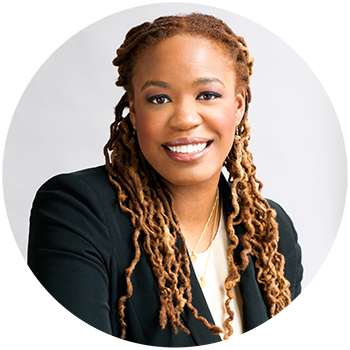
The closing ceremony on Thursday, October 14 will feature Heather McGhee, bestselling author of The Sum of Us. A renowned expert on the American economy, Heather McGhee is one of the most brilliant and influential thinkers exploring inequality today. Both her viral TED talk and her instant New York Timesbestseller The Sum of Us reveal the devastating true cost of racism—not just for people of color, but for everyone. Deeply stirring, intelligent, and compassionate, McGhee’s talks offer us an actionable roadmap during one of the most critical—and most troubled—periods in history. McGhee has drafted legislation, testified before Congress, and become a regular contributor on shows like Meet the Press and Real Time with Bill Maher.
Key sessions over the three-day conference will include:
- Intersection of Identities: Using Who You Are to Advance the Work of Equity featuring Charles Montorio-Archer, president and CEO of One Hope United, and author of Everybody Paddle: A Leader’s Blueprint for Creating a Unified Team
- How Internal Power Sharing Can Transform Organizational Culture and Advance Change featuring a panel of social sector leaders from the Children’s Guild Alliance, Villa of Hope and Children & Families First
- What We’ve Learned about Effective Partnership for Addressing Pervasive Racial Disparities featuring key leaders in the collective impact movement from StriveTogether, Built for Zero and Cities United
- Policy Solutions at the Intersection of Child Welfare, Poverty, and Racism featuring a panel discussion with Jerry Milner, director of Family Integrity and Justice Works, Public Knowledge; Brian Samuels, executive director of Chapin Hall; and Dr. Julia Jean-Francois, Co-Director for the Center on Family Life in Brooklyn, NY.
- Jointly Addressing ACEs and Racism: Moving from Theory to Action featuring leaders from Cooperative of Communities, RYSE Center and Minnesota Association for Children’s Mental Health
- Understanding Power Dynamics: The History of Disparities in America featuring Rueben C. Warren, executive director of the National Center for Bioethics in Research and Health Care from Tuskegee University
SPARK 2021’s diamond sponsors are Brown & Brown Insurance of Lehigh Valley and FEI Workforce Resilience. Sponsors for SPARK include: Aramark, Binti, Unite US, United Healthcare, Villa of Hope, and Your Part-Time Controller. Additional sponsors include: Accreditation Guru, Afia, BakerTilley, Datis, Gallagher, Insperity, Lincoln Families, One Hope United, Presence, Truth Collective, Turning Points for Children, and Youth Villages.
Media Notes: The newly merged Alliance for Strong Families and Communities and Council on Accreditation will be announcing its new name and brand during the opening session on October 12, 2021 at 11am EST. Media are invited to attend the full conference free-of-charge. To request access, contact Jennifer Devlin at Jdevlin@alliance1.org.
For more information, to access the full agenda of events, or to register for SPARK 2021 go to link.
###
About the Alliance for Strong Families and Communities and Council on Accreditation (Alliance-COA)
The Alliance-COA and resulting new organization will convene and catalyze a dynamic, inclusive, multifaceted network of human/social services organizations that leverages the collective experience of the field and research to spark a current in the sector and drive continuous evolution and improvement. Our goal is to activate the power of the social sector and create a unified, intrepid, just, and purposeful network that propels our field forward so all people can thrive. The new organization will provide a range of opportunities to actively shape the sector through collaboration, innovation, policy, and practice excellence.
August marks National Immunization Awareness Month and is also the time of year many parents are buying school supplies, scheduling routine sports physicals, and ensuring their children have required vaccinations. Most of the country’s K-12 schools, after-school programs, and colleges are preparing to reopen and return to in-person instruction after more than a year of operating virtually due to the COVID-19 pandemic.
This year, parents of children over the age of 12 have a new task at hand—deciding whether to have their children receive the COVID-19 vaccine and then scheduling those appointments. Yet, many parents, educators, and health care providers continue to have questions about COVID-19 vaccine guidelines for children ages 12 and older.
In this on-demand webinar hosted by Morehouse School of Medicine’s National COVID-19 Resiliency Network, hear leading pediatricians and researchers answer questions from the community, discuss the safety and effectiveness of the COVID-19 vaccine, and explain strategies underway to ensure equitable access to the COVID-19 vaccine.
The webinar speakers include:
- Dr. Marcella Nunez-Smith, senior advisor to the White House COVID-19 Response Team and chair of the Presidential COVID-19 Health Equity Taskforce
- Dr. Lilly Immergluck, professor of microbiology, biochemistry, and immunology at Morehouse School of Medicine
- Dr. Christa Marie Singleton, senior medical advisor at the Centers for Disease Control and Prevention
During the webinar, they discuss:
- The Biden administration’s strategies to ensure equitable access to COVID-19 Vaccines
- COVID-19 Vaccine Guidelines for Children 12 years and older
- Strategies educators and schools can engage in to help build vaccine confidence
Listen to this episode of the podcast More than Health Care: Nonprofits and Health Care Working Together featuring Dr. Dominic Mack of MSM. Learn more about NCRN and the power that partnerships have in the fight for health equity amid the pandemic.
Additional Resources
- COVID-19 Prevention Strategies Most Important for Safe In-Person Learning in K-12 schools
- What are COVID-19 variants and how can you stay safe as they spread? A doctor answers 5 questions
- To find a vaccine near you and other resources for you, your family, and community visit the NCRN website or call 1-877-904-5097
Oct. 12-14
Registration Now Open! Early Bird Discount Available Until Sept. 13.
Designed by the Alliance for Strong Families and Communities and Council on Accreditation (Alliance-COA), SPARK 2021 is a three-day virtual learning experience that will activate the power of the social sector. It also signals an exciting new era for us and the sector, as we will be launching our new organization during the opening session.
Join us for this three-day, virtual learning experience, to convene leaders from across the human services ecosystem to create a unified, intrepid, just, and purposeful network so that all people can thrive.
Fueled by a commitment to advance equity and improve the well-being of all people, we will elevate important conversations around some of today’s most vexing challenges and inspire participants to implement innovative practice, policy, and research.

Dr. Ibram X. Kendi
Bestselling Author
How to Be an Antiracist
Andrew W. Mellon Professor in the Humanities
Boston University
Heather McGhee
Bestselling author
The Sum of Us
While many organizations are looking to start or bolster efforts to advance equity, diversity, and inclusion (EDI), it can be difficult to know where to start. Simply mandating or promoting EDI in the workplace is not enough. To realize the benefits, organizations must treat EDI as any other critical resource and commit to building the right infrastructure to support it.
Organizations are likely to be most successful by creating a multi-year plan to guide their efforts. Advancing equity is a journey, both for people and for organizations.
Progress is made over time and with intentional effort. Having a plan clarifies goals, outlines needed resources, and creates accountability. Consider these tips as you start a new EDI initiative or explore opportunities to improve upon current efforts.
- Assess your personal and organizational readiness:
- Enrolling in training for implicit bias, organizational change management, and/or historical trauma to deepen your understanding
- Consider what employee engagement surveys and other data suggest about adaptability and cultural sensitivity
- Ensure executive sponsorship:
- If you are an executive, make it clear that you are a champion of this initiative, and that EDI is a priority for the organization
- Work toward executive sponsorship by advocating for the benefits of an EDI plan in informal conversations and formal meetings
- Create space and accountability for EDI by considering the resources and business areas involved, including staff time, money, IT, human resources, and professional development
- Assemble a team to execute the work including a taskforce or standing committee
- Commit to a long-term investment in staff time and resources; EDI is a journey
Support Staff with Virtual Workshop
Allocating resources, including staff time, is key for reaching your EDI goals. Staff will need to rethink and adapt their current practices, approaches, and policies. In addition, those who serve on the EDI taskforce or committee will be doing so in addition to their regular job responsibilities.
Make sure staff working to advance equity, diversity, and inclusion have the necessary tools, guidance, and dedicated time to be successful. The Alliance-COA’s Advancing EDI for A More Perfect Union virtual workshop offers valuable information, facilitated discussions, reflection opportunities, and focused worktime to begin developing an organizational action plan.
What People are Saying
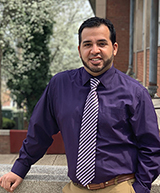
Edgard Martinez (pictured right), Community Schools – Team Leader and EDI Committee Chair at Children & Families First in Wilmington, Delaware, and his colleagues participated in the June session of the Advancing EDI for A More Perfect Union virtual workshop.
“Attending the Advancing EDI for a More Perfect Union workshop along with several members of our organization’s EDI Committee was a perfect selection for us. We received excellent guidance and tools that allowed us to assess and advance our individual and organization-level EDI journeys, as well as infusing every aspect of our organization with proven EDI practices. Excellent training, expert-level instructors, highly-recommended!”
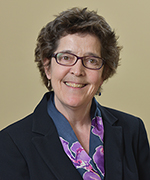
Molly Greenman (pictured left), president and CEO of The Family Partnership in Minneapolis, Minnesota, reflected on her time at the June session and how it compared to other EDI trainings she’s done in the past.
“This workshop was inspiring, challenging, and practical. I have done a lot of anti-racism trainings over the years and this was one of the most comprehensive. Importantly, it focused on what I need to do in our organization as a leader and what I can do personally in my community.”
View full event details and register online to participate.