
The Senate recently passed the 21st Century ROAD to Housing Act, a significant reform bill that aims to increase housing affordability and availability. The bill passed by a vote of 89 to 10 and will now be sent to the House of Representatives to either approve amendments introduced by the Senate or introduce further amendments. The bill previously passed the House through a vote of 390 to 9.
For further information, the United States Senate Committee on Banking, Housing, and Urban Affairs has published a detailed summary.
The bill’s passage also arrives as the president has issued executive orders, Promoting Access to Mortgage Credit and Removing Regulatory Barriers to Affordable Home Construction, intended to promote housing affordability and accessibility. The measures arrive as communities continue to experience remarkable challenges accessing affordable housing.
Children’s Bureau Revises Section 8.1H of the Child Welfare Policy Manual
The Children’s Bureau recently announced Section 8.1H, Question 21 of the Child Welfare Policy Manual (TITLE IV-E, Administrative Functions/Costs, Training) was amended to remove “cultural competence” and related language from the question and answer.
The question asks, what are allowable title IV-E training topics related to the role of protective factors in healthy child development, such as resiliency; relational competence; child social and emotional development; trauma; and related areas?
ASPE Publishes Report Detailing Opportunities to Improve Licensing and Reach of Kinship Care
The Assistant Secretary for Planning and Evaluation (ASPE) recently published a report exploring how states are approaching kinship care by examining states’ definitions of kinship caregivers, the prevalence of children in foster care living with relatives or kin, and states’ adoption of separate licensing standards for kinship homes, and states’ participation in kinship navigator programs through the Title IV-E Prevention Services Clearinghouse.
Executive Order Establishes a Task Force to Eliminate Fraud
On March 16, President Trump signed an executive order establishing a Task Force to Eliminate Fraud that encompassed several departments and agencies, including the Departments of Justice, Agriculture, Labor, Health and Human Services, Housing and Urban Development, Education, and Veterans Affairs. The Task Force was designed to coordinate a national strategy to stop fraud, waste, and abuse within Federal benefit programs, including by strengthening eligibility verification processes, developing controls before funds are disbursed, and auditing to ensure prospective compliance monitoring.
VA and DOJ Sign Agreement to Guide Post-Acute Transitions of Care for Certain Populations of Veterans
The Department of Veterans Affairs (VA) and Department of Justice (DOJ) recently signed a memorandum of understanding (MOU) authorizing the DOJ to appoint VA attorneys as special assistant U.S. attorneys. VA attorneys will then be empowered with the legal authority to initiate and participate in state court guardianship or conservatorship proceedings in cases where a legal decision-maker is required for post-acute transitions of care for Veterans in need.
In certain cases, the appointment of a legal guardian or conservator can be a lifeline for Veterans. They can aid Veterans by preventing unwarranted continued hospitalization, advocating for their rights, and promoting appropriate transitions of care from VA hospitalization to other forms of VA care or care in the community, if appropriate.
However, guardianship and other forms of involuntary intervention are serious legal actions. The decisions significantly limit personal autonomy and, accordingly, merit extensive consideration to determine whether they are truly necessary and beneficial.
Caution is especially important due to key challenges Veterans face in accessing community services and housing, as many concurrently continue to navigate complex health challenges. Health and human service organizations offer essential expertise to aid in policy development to grow access to essential services to support their holistic health, well-being, and recovery while prioritizing trust and transparency.
Sector Updates from the Judiciary
HUD Appeals Federal Court’s Decision to Temporarily Pause Proposed Changes to the Continuum of Care program
The Department of Justice, on behalf of the Department of Housing and Urban Development (HUD), recently appealed a federal verdict that temporarily prevented the federal government from implementing changes to the Continuum of Care (CoC) Program.
The changes were initially announced in November and would have drastically shifted eligibility requirements. The initial Notice of Funding Opportunity markedly reduced funding from permanent housing and mandated that the majority of the funds be directed to temporary transitional housing assistance with conditional work or service requirements.
Following a lawsuit filed by a coalition of nonprofits and state and local governments, the U.S. District Court for the District of Rhode Island issued a preliminary injunction preventing the amended grant conditions from taking effect.
Federal Court Blocks Key Sections of a Proposed Regulation Expected to Drastically Alter the Deportation Appeals Process
The US District Court for the District of Columbia recently vacated the main provisions of a proposed regulation, Appellate Procedures for the Board of Immigration Appeals.
The regulation would have introduced sweeping changes, including allowing the Executive Office of Immigration Review to determine which cases to review. All appeals would be dismissed, leading the deportation order to become final, unless a majority of permanent members of the Board of Immigration Appeals vote to consider it. Additionally, the rule would reduce the time individuals have to file their appeals from 30 days to 10 days. Appellants would have been required to comply with a waiver provision requiring them to raise all issues in the notice of appeal or risk forfeiting them.
Judge Randolph D. Moss prevented the above requirements from taking effect, finding that the administration failed to comply with public comment requirements under the Administrative Procedure Act. However, other sections that the Judge determined wouldn’t cause immediate harm have since gone into effect. The procedural changes include simultaneous briefing schedules, limits on extensions and reply briefs, and other case-management adjustments.
First Circuit Upholds Lower Court’s Actions to Stop the Government-Wide Funding Freeze
The First Circuit Court of Appeals upheld the preliminary injunction issued by the US District Court for the District of Rhode Island. The decision upheld a critical precedent: the executive branch cannot unilaterally freeze funds appropriated by Congress.
The appellate ruling followed a March 2025 decision that prevented the White House Office of Management and Budget from pausing trillions in government loans, grants, and other payments. In upholding the lower court’s verdict, the First Circuit Court of Appeals introduced essential safeguards to protect essential funding for federal programs, ranging from Medicaid to child-care programs and infrastructure projects.
The order also arrives after the US District Court for the Northern District of Illinois issued a preliminary injunction, preventing the Trump administration from cutting hundreds of millions of dollars in public health grants to several Democratic states. However, Judge Manish S. Shah clarified that the court could not enforce payment obligations for a federal grant: lawsuits regarding contracts with the US are the domain of the Court of Federal Claims.
Federal Court Pauses Changes to the Vaccine Schedule
The US District Court for the District of Massachusetts issued a preliminary injunction, preventing changes to the national childhood vaccine schedule from becoming effective. The ruling also determined that the recent appointments to the Centers for Disease Control’s Advisory Committee on Immunization Practices (ACIP) did not follow federal legal procedures.
The decision arrives as medical providers and families nationwide have faced significant uncertainty, while leading medical experts have continued to advocate against the proposed changes to the childhood vaccine schedule.
Notably, the proposed schedule would have reduced the number of recommended vaccines from 18 to 11, excluding hepatitis A, hepatitis B, RSV, dengue, and two forms of bacterial meningitis. Additionally, the changes were accompanied by the removal of 17 members of the Advisory Committee on Immunization Practices (ACIP). ACIP is intended to stand as an independent panel of vaccine experts who evaluate the latest research to determine the safety and efficacy of vaccines.
What Scenario Planning Entails
Scenario planning is a strategic tool used by organizations to navigate an unpredictable future by creating detailed, plausible narratives about what might happen. Originally developed by military intelligence and popularized in the corporate world by the oil industry during the 1970s, scenario planning has now become a vital tool for leaders across all sectors.
It’s important to note that scenario planning is distinct from forecasting. Forecasting relies on historical data to make short-term predictions. In contrast, scenario planning focuses on long-term strategy and sustainability, exploring various “what if” situations that challenge current assumptions. This approach is particularly valuable for organizations operating in volatile or uncertain environments. When historical trends and past performance are no longer reliable indicators of future success, scenario planning allows teams to prepare for sudden disruptions or shifts in funding, policy, and community needs.
Although many teams use this process to brace for negative outcomes, such as economic downturns or workforce shortages, it can also be used to envision “best-case” scenarios as well. By mapping out these different paths, an organization ensures it is not caught in a reactionary cycle.
Why Scenario Planning Is Important
Scenario planning exercises allow leaders to apply their strategic imagination to the broader horizon of possibilities and stretch their risk management muscles. They zoom out, look at macro-level trends, and consider strategies to support long-term sustainability.
For example, one scenario may involve sudden, major funding shortages. Rather than waiting for a grant to disappear or a major donor to withdraw, scenario planning allows an organization to rehearse that exact situation. It forces the team to decide in advance which programs are mission-critical, who holds decision-making authority during a fiscal crunch, how communication should flow to stakeholders, and where unnoticed interdependencies might trigger a domino effect.
By working through these complex webs of cause and effect, leaders can identify specific thresholds that signal when an action plan must be put into motion. Instead of being paralyzed by an unexpected funding shortfall, your team gains the collective muscle memory needed to pivot with agility.
Scenario Planning Strategies and Tools
To illustrate how this process of transforming abstract theory into concrete strategy works in practice, consider the following scenario at your organization: The potential loss of all public funding.
Step 1: Track Far-Reaching Macro-Trends
The process begins by identifying broad forces such as shifting political climates or long-term economic cycles. By analyzing how these trends might impact the sector over a 10-15-year horizon, you can better outline your scenario.
Step 2: Flush Out Biases and Assumptions
Next, the team must work through any organizational denial, cognitive bias, or assumptions to confront the “unthinkable” possibility presented in the scenario. This is the time to abandon the “we’ve always done it this way” mentality and ask tough questions, such as:
- What happens if our primary revenue stream vanishes overnight?
- What other stakeholders in our ecosystem would be impacted, and how?
This type of questioning helps circumvent the rigidity that can stem from long-term success or tendencies to uphold the status quo.
Step 3: Develop a Sliding Scale of Scenarios
Teams can then create specific narratives, ranking them on a scale of positive to negative extremes. In a funding crisis, these scenarios might range from minor budget uncertainty to a total dissolution of all state grants.
Step 4: Map Impact and Mitigation Strategies
Finally, once the scenarios are developed, use risk assessment frameworks to evaluate the likelihood and severity of each outcome. Map out how the organization would mitigate major risks, what thresholds would trigger a particular action plan, and what roles would be responsible for executing the action plan.
Identifying your risk management approach before a crisis builds the collective resilience needed to protect the mission, and stakeholders should a scenario come to fruition.
Barriers to Scenario Planning
Despite the benefits of scenario planning, there are barriers to meaningfully putting these strategies into practice. When a team is focused on meeting immediate community needs, carving out hours and coordinating schedules for what feels like a theoretical exercise can seem unrealistic. However, without this investment, an organization remains in a perpetual state of reaction, which ultimately consumes more time and resources than the planning process itself.
Another common pitfall is a tendency to get bogged down in the minutiae of a specific scenario. Teams sometimes become so hyper-focused on the exact details of a “worst-case” scenario that they lose sight of the broader goal. The value of this work lies not in predicting a perfect replica of the future, but in building the internal roles, communication channels, and action plans that will bridge the gaps during any disruption. If a group treats a scenario as a rigid script rather than a flexible rehearsal, they may find themselves unprepared when a real-life crisis occurs that isn’t identical to their exercise.
While the process requires an upfront time-investment, dedicating resources to this exercise today can help your team move from a reactionary posture to a position of strategic agility. Ultimately, scenario planning transforms uncertainty from a source of fear into a manageable variable. So, when the unthinkable happens, will your organization survive the storm? Or prepared to lead through the unknown?
Top Resources
- Making Sense of Uncertainty: Nonprofit Scenario Planning | The Bridgespan Group
- Types of Scenario Planning and Their Effectiveness | Futures
- When Scenario Planning Fails | Harvard Business Review
Social Current Solutions
At Social Current, we provide the tools and insights you need to lead with purpose and drive real change. Check out these opportunities to improve your skills.
- Leadership and Organizational Development Consulting. We offer individual and organizational assessments, training, and consulting to support scenario and strategic planning
- On-Demand Course: Innovation Leadership. Learn about the benefits of fostering innovation and explore core design thinking concepts that will help you use real business issues to frame problems, design experiments (projects), make decisions, and learn from mistakes
- Webinar: Uncovering Development Needs with the Leadership Gap Indicator (LGI). Register now to join us March 18 from 3-4 p.m. ET
- Webinar: Anticipating Policy Change. Register now to join us Aug. 13 from 1-2 p.m. ET
- Nonprofit Risk Management Center. Impact Partners and COA accredited organizations receive free affiliate membership, which includes access to unlimited risk management advice by phone, live and on-demand webinars, and discounted services
About the Knowledge and Insights Center
Social Current’s Knowledge and Insights Center equips social sector professionals with the research and resources they need to stay current on trends, implement best practices, and improve their organizations. It specializes in vetting information sources and systematizing information so that it is easy to understand. Gain access to the Knowledge and Insights Center by becoming a Social Current Impact Partner or purchasing access.
The General Services Administration (GSA) has proposed requiring applicants, both when initially registering in the System for Award Management (SAM.gov) and during each annual renewal, to agree to three new certifications. The agreements prohibit grantees from supporting illegal immigration, illegal activities that threaten public safety or national security, and behavior that violates federal antidiscrimination laws.
Nonprofits and state and local governments alike rely on the federal System for Award Management (SAM) portal to apply for and manage federal financial assistance. The proposed changes are expected to broadly affect grantees, as vague and complex language poses key compliance challenges.
The proposed changes follow guidance from the Department of Justice prohibiting federal grantees from engaging in unlawful discrimination.
The General Services Administration is requesting comments and will continue to accept feedback through March 30.
ACF Clarifies Grounds for Child Removal Decisions
On March 3, the Administration for Children and Families (ACF) sent letters to all 50 states reminding them that children may not be removed from their homes solely because parents decline to support a child’s self-identification as the opposite sex.
The letter reinforces the obligation of state child welfare agencies to base child removal decisions on objective evidence of abuse or imminent risk of harm under the Child Abuse Prevention and Treatment Act. It also warned states not to interpret federal definitions too broadly in ways that infringe on parental rights or lead to unnecessary foster placements by removing children for reasons that do not constitute abuse and neglect.
According to the press release detailing the agency’s decision, ACF issued the letter with the hopes of keeping more families together and reducing the number of parents drawn into the child welfare system solely because they decline to support sex-reassignment interventions.
ACF Partners to Modernize Comprehensive Child Welfare Information Systems
The Administration for Children and Families introduced the Child Welfare Technology Incubator to modernize the planning, launch, and implementation of Comprehensive Child Welfare Information Systems (CCWIS). The Incubator will provide targeted technical assistance, scalable CCWIS blueprints for other states, and create a place for states to receive frequent feedback on proven planning and implementation tools. By partnering with states earlier to develop technology infrastructure, ACF hopes states will move faster, build smarter, and deliver better outcomes for children and families nationwide.
ACF Issues Child Welfare Policy Manual Revisions
The Administration for Children and Families has revised the Child Welfare Policy Manual to ensure alignment with the 2024 Foster Care Legal Representation final rule issued by (89 FR 40400). The manual now clarifies that a title IV-E agency may claim such title IV-E administrative costs to the extent that they are necessary to support an attorney providing such representation.
Department of Education Announces Partnership with HHS to Support Family Engagement and School Support Programs
The Department of Education recently announced its partnership with the Department of Health and Human Services to improve the safety and physical security of educational institutions. HHS will take a growing role in administering the School Emergency Response to Violence (Project SERV), School Safety National Activities, Ready to Learn Programming, Full-Service Community Schools, Promise Neighborhoods, and Statewide Family Engagement Centers.
With oversight from the Department of Education (ED), HHS will manage competitions, provide technical assistance, and integrate ED’s programs with the larger suite of disaster preparedness and response programs that HHS already administers.
The Department of Education shared the value of HHS’ experience and expertise in helping communities respond to serious events. Through the partnership, the Department of Education aims to consolidate resources and initiatives to provide a unified federal strategy focused on school support and related issues.
For further information, the Department of Education has published a fact sheet.
HHS Announces Efforts to Address Health Care Fraud
The U.S. Health and Human Services and the Centers for Medicare & Medicaid Services recently announced they will defer $259.5 million of quarterly federal Medicaid funding in Minnesota to prevent the payment of questionable claims while further investigation is completed. If Minnesota does not address critical program integrity vulnerabilities or demonstrate that the expenditures are allowable, CMS may defer more than $1 billion in federal funds over the next year. CMS also continues to closely oversee Minnesota’s efforts to implement its corrective action plan to address the underlying causes of fraud, waste, and abuse within the state. Minnesota has since filed a lawsuit to prevent the funds from being withheld.
The agencies’ decision arrives during critical allegations of the misuse of federal taxpayer dollars in Minnesota’s social services programs. On March 4, the House Oversight Committee continued to investigate the allegations through its second hearing, Oversight of Fraud and Misuse of Federal Funds in Minnesota: Part II. The Governor of Minnesota, Tim Walz, the state’s attorney general, Keith Ellison, and Reverend Mariah Tollgaard testified before the committee.
Rising Health Care Costs Endanger HIV Care and Prevention Programs
The National Association of State and Territorial AIDS Directors, a non-profit association that represents public health officials who administer HIV and hepatitis programs in the U.S, recently issued a report warning of diminishing access to health care through AIDS Drug Assistance Programs (ADAPs). ADAPs provide life-saving HIV treatment to low-income, uninsured, and underinsured individuals living with HIV/AIDS in all 50 states and the surrounding territories. ADAP programs are estimated to support about 25% of the 1.2 million people living with HIV in the United States.
While funding for ADAPs has remained relatively constant, healthcare costs have continued to rise at rates often unsustainable for states. According to the report, at least 18 states have implemented measures to reduce costs, including by raising eligibility requirements, and five more states are weighing similar steps as budget shortfalls grow.
House Energy and Commerce Committee Considers Legislation to Protect Children’s Online Safety
The House Energy and Commerce Committee recently advanced a package of eight bills intended to protect children’s online safety. The legislation would establish national age verification requirements and create new online safety and privacy protections for children. Additionally, the legislation requires parental control tools to implement strict privacy settings, instructs the Federal Trade Commission to conduct third-party audits of safety protocols, and directs federal agencies to study the impact of social media on mental health.
Through the bills’ consideration, Democratic representatives stressed the need for data protections and the potential of federal action to preempt state protections. Certain bills drew particular concern as they diverged from their Senate counterparts. Notably, the Senate versions of the Kids Online Safety Act and the Children and Teens’ Online Privacy Protection Act retain bipartisan support as they include language requiring companies to design products with kids’ safety in mind.
The legislation also sparked First Amendment concerns regarding the potential to limit free speech, and arises as courts consider a similar question. Recent litigation prevented the enforcement of Senate Bill 854, a Virginia bill that required social media platforms to determine whether a user is under the age of 16. Companies were then obligated to set a default restriction of one hour per day of usage for those accounts unless a parent or guardian gives verifiable consent to increase or decrease that limit.
Advocates encouraged the bill as a public-health measure to combat excessive screen time and its alleged negative effects on children’s mental health and academic performance. However, NetChoice, a trade association whose membership includes major technology companies such as YouTube, Instagram, Reddit, and X Corp, filed a lawsuit. NetChoice argued that the statute violates the First Amendment by restricting access to lawful speech and expression online.
The U.S. District Court for the Eastern District of Virginia issued a preliminary injunction, halting enforcement of the law while the lawsuit continues. Judge Giles determined that the law violates the First Amendment Rights of minors and the companies’ rights to distribute content.
House Agriculture Committee Advances the Farm, Food, and National Security Act of 2026
The House Agriculture Committee passed the Farm, Food, and National Security Act of 2026 by a vote of 34 to 17, with the support of seven Democratic members. The bill will now advance to the House floor for a full vote.
The bill included amendments to strengthen access to affordable broadband service and health care access in rural areas. It also allows states to redirect up to 20 percent of Emergency Food Assistance Program (TEFAP) funds toward the Department of Defense Fresh Fruit and Vegetable Program, which is expected to reduce food insecurity by supporting local food banks and community food programs. Additionally, the bill expands child care options for rural families by recognizing Head Start providers as eligible entities under the Expanding Childcare in Rural America Initiative.
Education and Workforce Committee Passes Bills to Address Fraud and Strengthen Oversight for Child Care Assistance Programs
On March 5, the Education and Workforce Committee passed eight bills to address fraud and strengthen oversight in federal child care assistance programs. A few provisions include creating a 5% threshold for improper payments before corrective action is required, improving data sharing between state agencies, and withholding funds from states that fail to address fraud or repeat violations. Additionally, the legislation would codify the Department of Health and Human Services’ practice of auditing states’ Child Care and Development Block Grant (CCDBG) funds every three years. Child care providers found to have committed fraud would be prohibited from receiving CCDBG funds.
The bills will now be considered by the House as a whole.
To review the bills, the Education and Workforce Committee has published a press release outlining the legislation.
House Passes Legislation to Fully Fund the Department of Homeland Security
The House of Representatives passed H.R. 7744, the Department of Homeland Security Appropriations Act, by a vote of 221 to 209. However, the bill’s path remains uncertain in the Senate, potentially leading the partial government shutdown to continue. The lapse in federal funding raises key concerns for national security and federal responses to and recovery from natural disasters.
The House Committee on Appropriations has published a summary outlining the proposed bill.
Department of Labor Announces $81M To Support Training and Employment for Formerly Incarcerated Individuals
The U.S. Department of Labor recently announced approximately $81 million in grants through the Reentry Employment in Skilled Trades, Advanced Manufacturing, Registered Apprenticeships, and Training (RESTART) initiative. The grants will be offered to organizations to provide training programs to formerly incarcerated individuals in skilled trades and high-demand industries. Training and employment services include pre-apprenticeships, work-based learning, AI and digital literacy training, credential attainment, and paid work experience, with a specific focus on placing participants within the proven model of Registered Apprenticeships.
The department intends to fund up to 20 RESTART projects nationwide, with approximately $30 million allocated to national or regional intermediary organizations serving youth and young adults, and up to $5.1 million for individual awards. The remaining funds will be awarded to states, territories, and tribes to support state-led projects that integrate RESTART grant activities with the public workforce system under the Workforce Innovation and Opportunity Act. These grants will leverage existing workforce infrastructure and ensure effective strategies can be sustained after the grant period.
ASPE Report Examines Trends in Title IV-E Foster Care Expenditures FY2019-FY2023
The Office of the Assistant Secretary for Planning and Evaluation recently published a brief analyzing reported expenditures and reimbursements within the Title IV-E foster care program. The report relied on the most recent years of publicly available claims data, including fiscal years 2019 to 2023, to examine administrative costs, identify how average monthly costs per child have changed over time, and provide a snapshot of variation across states in FY2023.
Key findings include that administrative costs, especially in-placement administrative costs, have been the largest driver of Title IV-E foster care reported expenditures and reimbursements from FY2019 to FY2023. Average monthly administrative expenses per child increased 40 percent from FY2019 to FY2023; however, the average monthly number of children served through administrative-related Title IV-E foster care activities has declined.
FNS Issues Guidance as States Prepare for the End of Required Funding of SNAP-Ed
The Food and Nutrition Service issued a memo on Feb. 24, detailing a series of questions and answers to inform closeout procedures for state agencies that intend to close their FY 2025 SNAP-Ed grant and return unexpended grant funding. The guidance follows the recent reconciliation bill, H.R. 1, which terminated the required funding of SNAP-Ed with the fiscal year (FY) 2025 grant allocation.
Sector Updates from the Judiciary
Texas Attorney General Issues Legal Opinion Preventing Mental Health Providers from Providing Gender Affirming Care
The Texas Attorney General, Ken Paxton, recently clarified the scope of a 2023 Texas law, SB14, which prohibited health care providers from providing gender-affirming care to minors. Paxton specified that the law extends to any individual with a license that facilitates care in the transition of a child’s sex, including licensed mental health care providers. Health care providers found to violate the law are at risk of losing their license.
The Supreme Court upheld a similar Tennessee law, a landmark decision that protects the Texas law and similar state laws restricting access to gender affirming care. Currently, 27 states have enacted laws and policies that limit access to gender affirming care.
The Attorney General’s opinion also arrives as the Supreme Court prohibited California from enforcing state rules that require teachers to use children’s preferred pronouns and restricts when schools may notify parents of students who come out as transgender. Holistically, the Supreme Court’s decisions introduce marked shifts in children’s ability to access gender affirming care.
Federal Court Prevents the Cancellation of Mental Health Grants Representing Nearly $1 Billion
In April 2025, the U.S. Department of Education cancelled federal grants worth nearly $1 billion after determining that they did not align with agency priorities. The grants had been approved in fiscal years 2022, 2023, and 2024 under the School-Based Mental Health Services Grant Program and the Mental Health Service Professional Demonstration Grant Program.
Eight months later, the Department issued new priorities and distributed more than $208 million in new mental health grants. However, within a week, a federal judge ordered the permanent reinstatement of the Education Department’s mental health grants in the 16 states that filed the lawsuits.
The 9th U.S. Circuit Court of Appeals has since upheld the decision, determining the administration failed to adequately demonstrate that it engaged in the decision-making required to notify recipients of why their multiyear grants were discontinued. While the permanent injunction does not require the Department to release any funds to the states that filed the lawsuits, it does require it to issue new funding decisions.
Federal Court Prevents USDA From Withholding SNAP Funds to States That Refuse to Share Sensitive Data
In November and December, the U.S. Department of Agriculture (USDA) ordered states to provide records of households eligible for the Supplemental Nutrition Assistance Program (SNAP), including their Social Security numbers, home addresses, and immigration statuses.
The U.S. District Court for the Northern District of California determined the USDA cannot withhold food assistance funds from states that fail to comply. The verdict ensures SNAP funds will continue to states as litigation continues.
Federal Court Mandates Bond Hearings for Immigrants
The U.S. District Court for the Central District of California recently vacated an immigration court ruling that mandated migrants and individuals without American citizenship remain in detention while their cases proceeded in immigration courts. The verdict holds the potential to guarantee bond hearings for many migrant detainees who have not been convicted of criminal offenses.
The verdict followed the 5th Circuit Court of Appeals’ determination that the detention practices are legal. In response to the District Court’s ruling, Chief Immigration Judge Teresa Riley emailed immigration judges, maintaining that Sykes’ findings didn’t overrule or vacate the Fifth Circuit’s interpretation of the detention statute.
Multiple appellate circuits nationwide are considering a similar question of whether the Trump Administration is legally able to enforce a mandatory detention policy. Nevertheless, the District Court’s ruling carries significant weight as it applies to detainees nationwide.
Since the COVID-19 pandemic, the social sector has undergone a significant shift in how it views and utilizes remote work. According to the latest data, over 50% of “digitally capable” nonprofit roles are now remote or hybrid.
Organizations are leaning into this model for several strategic reasons:
- Attracting and retaining top talent: Roughly 85% of nonprofit job seekers now prioritize remote work over salary or even mission alignment.
- Filling critical workforce shortages: By hiring remote workers, nonprofits can recruit nationwide, or even globally, to find specialized candidates.
- Operational efficiency and cost lowering: Reduced overhead costs related to physical office space and utilities are a key benefit of a remote workforce.
As remote work becomes commonplace in our sector, success in this new landscape requires leaders to embrace the intentional habits and unique soft skills.
To help you develop best practices in virtual, hybrid, and remote workforce management, Social Current’s Knowledge and Insights Center (KIC) recommends these books. Through their KIC access, Impact Partners can easily gain insights from top resources:
- Business Books Summaries: Featuring book briefs that convey key concepts in 10 pages or less
- Learning Community Courses: Interactive, self-paced courses to develop essential skills
Staff at Social Current Impact Partners should log in to access these resources.
KIC access can be purchased alone or as part of an Impact Partnership.
Business Book Summaries
Remote Works: Managing for Freedom, Flexibility, and Focus – Ali Greene & Tamara Sanderson
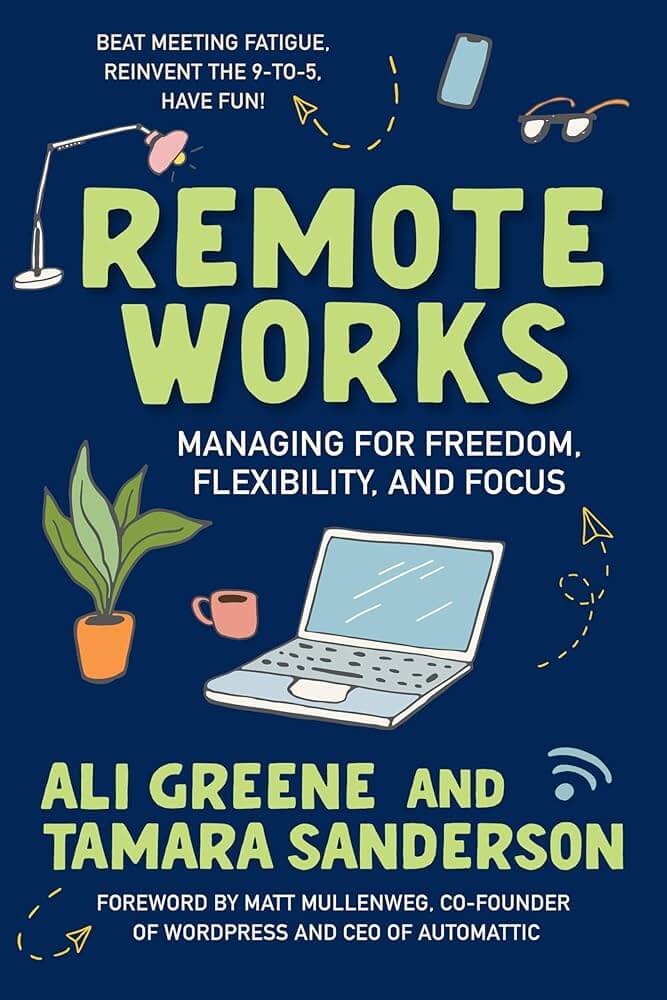
To master the intentional approach required for leading hybrid and remote teams, Remote Works by Ali Greene and Tamara Sanderson is your essential playbook. The authors provide a practical roadmap for managing distributed teams with fewer meetings and less digital frustration. The book moves beyond basic troubleshooting to help leaders establish clear team norms and outcome-oriented workflows. By focusing on “freedom, flexibility, and focus,” Greene and Sanderson empower nonprofit professionals to transition from simply working off-site to intentionally designing a high-impact workplace that maximizes both productivity and well-being.
Access the business book summary.
The Power of Remote – Cynthia Watson & Shane Spraggs

The Power of Remote is another guide for the nonprofit leaders who feel their organization is still developing their remote culture. While many organizations already have basic protocols and technology in place for their remote teams, Watson & Spraggs challenge leaders to audit whether their workflows truly enable peak productivity and long-term wellness. This book provides a strategic framework for every stage of the remote employment cycle – from hiring and onboarding to identifying the subtle signs of burnout. This book frames remote work not as a threat, but as an opportunity for a highly efficient and highly engaged digital workplace.
Access the business book review.
Open Talent – John Winsor & Jin H. Paik

Open Talent by John Winsor and Jin Paik goes beyond traditional borders to explore global solutions for local workforce shortages. While not every nonprofit can recruit globally those with remote-first service structures can use this book to tap into a global ecosystem of freelancers and specialists. Drawing on their work at Harvard, the authors argue that the “war for talent” is over, and the prize is a new operating model where organizations orchestrate talent from both inside and outside their walls.
Access the business book review.
Learning Community Courses
If you prefer a more interactive format, take one of Social Current’s on-demand courses. Through this self-paced, multimedia experience, you’ll gain a deep understanding of the key concepts and practices of leading remote teams.

Managing Virtual & Hybrid Teams
Virtual, hybrid, and remote teams need a strategy for thinking differently, communicating digitally, and making sure people feel included, connected, and aligned to perform at their best. This course is designed to help leaders develop a new mindset, skill set, and toolkit to handle the additional complexity and ambiguity associated with navigating the new remote landscape.
Learn more about this Learning Community course. This course includes eight hours of content and can be completed over the course of a year.
Learn more about how the KIC helps social sector leaders and professionals stay informed without becoming overwhelmed. Impact Partners and KIC subscribers receive access to our clearinghouse library, tailored databases, and more.
Social Current also offers training, assessments, and consulting around organizational and leadership development to help teams sharpen their strategy, embrace adaptive leadership, build inclusive teams, and more.
On Feb. 19, the Administration for Children and Families (ACF) announced the rescission of 35,781 pages of obsolete sub-regulatory guidance, representing 74% of ACF’s total sub-regulatory footprint.
All rescinded documents have been archived and remain publicly accessible for transparency and historical reference. Active ACF guidance is available at HHS.gov/guidance and through individual program offices’ webpages.
The decision is intended to mirror the agency’s commitment to regulatory efficiency, transparency, and accountability.
DHS Funding Expires, Creating a Partial Government Shutdown
The recent appropriations legislation, H.R. 7148, secured funding for the Departments of Health and Human Services, Education, Labor, Transportation, and Housing and Urban Development through the end of the fiscal year, Sept. 30.
However, the bill temporarily funded the Department of Homeland Security through a continuing resolution, extending funding through Feb. 13. The funding has since lapsed, triggering a partial shutdown of key agencies, including the Federal Emergency Management Agency (FEMA), the Transportation Security Administration, and the Coast Guard.
Disaster relief is now facing uncertainty after FEMA was ordered to suspend the deployment of hundreds of aid workers to disaster-torn areas across the US.
SAMHSA and ACF Issue Dear Colleague Letter
Following the establishment of the White House Faith Office and the Religious Liberty Commission, the Administration for Children and Families (ACF) and the Substance Abuse and Mental Health Services Administration (SAMHSA), as operating divisions of the Department of Health & Human Services, issued a Dear Colleague Letter. They jointly sought to underscore that both agencies welcome full participation by faith-based organizations in their programs and activities.
House Committee on Agriculture Chairman Releases the Farm, Food, and National Security Act of 2026
The House Committee on Agriculture Chairman Glenn Thompson (R-PA) released a statement announcing the Farm, Food, and National Security Act of 2026, colloquially known as the Farm Bill.
The comprehensive bill provides aid to farmers to mitigate market uncertainty and to navigate the aftermath of natural disasters. The bill supports rural development by strengthening broadband connectivity, protecting access to health care, enhancing efforts to meet childcare needs, addressing workforce challenges, and strengthening rural water infrastructure. It also advances policies to expand the reach of critical nutrition programs, increase accountability, and prioritize innovation.
Additionally, the proposed Farm Bill requires the Department of Agriculture to include all identified SNAP payment errors in a supplemental annual report. It requires the Government Accountability Office to investigate state SNAP administrative costs. It also reauthorizes the Gus Schumacher Nutrition Incentive Program and waives the federal cost-share match for persistent poverty counties and expanding produce access.
The House Committee on Agriculture has published a summary with further information.
HUD Proposes Rule to Require Citizenship and Legal Status Verifications
The Department of Housing and Urban Development (HUD) recently proposed a rule requiring citizenship verification requirements for all individuals residing within HUD-assisted housing. If a family no longer qualifies for continued assistance, they may become eligible for a temporary deferral, ensuring continued access to affordable housing.
The proposed rule would affect individuals in a covered program, including the Public Housing program, the Housing Choice Voucher program, and certain other community development programs.
Once published within the Federal Register, comments will be due in 60 days.
House Ways and Means Committee Holds Hearing to Examine Foreign Influence in American Nonprofits
On Feb. 10, the House Committee on Ways and Means held a hearing to examine how foreign influence may exploit tax-exempt status to interfere with America’s political and regulatory climate.
Witnesses discussed the danger of donor-advised funds, fiscal sponsorships, and public grants being used to obscure the origin, destination, and use of funds. They also highlighted issues with separation between 501(c)(3) charities and 501(c)(4) political organizations.
Witnesses spoke to the need for transparency and accountability. Recommendations included revising Form 990 to include standardized questions focused on fiscal sponsorships, donor-advised funds, foreign operations, and pass-through funding structures.
The hearing raises a serious concern about diminishing trust in the nonprofit sector and follows a trend of increased scrutiny and allegations of fraud. The hearing also arrives as the nonprofit sector faces immense uncertainty surrounding federal appropriations and the timely continuation of federal grants.
Congressional Hearing Discusses Restoring Trust and Transparency in Public Housing Agencies
On Feb. 10, the House Committee on Financial Services held a hearing to examine how the Department of Housing and Urban Development (HUD) funds and oversees public housing authorities (PHAs). PHAs serve approximately 9 million Americans nationwide by administering HUD’s public housing programs.
Chairman Meuser (R-PA) of the Subcommittee on Oversight and Investigations stressed the need to prioritize oversight and enforcement of PHAs, including through enhanced data analytics and AI-enabled tracking systems. He also encouraged reviewing high-performing housing authorities to identify replicable best practices.
Witnesses highlighted the importance of strengthened auditing requirements and the use of performance-based funding metrics, while also noting the challenges HUD faces due to funding and staffing shortages.
House Committee on Education & Workforce Discusses Disability Labor Law
On Feb. 13, the House Committee on Education and Workforce held a hearing to examine the benefits, opportunities, and impact that section 14(c) of the Fair Labor Standards Act provides to workers with disabilities.
Section 14(c) allows businesses and nonprofit organizations to employ workers who would otherwise be unable to find employment, often due to a severe disability, with wages commensurate with productivity. Approximately 93% of organizations with a 14(c) certificate are community rehabilitation programs (CRPs), organizations that provide employment, rehabilitation services, training, skill development, and social engagement.
Witnesses stressed the importance of the program for individuals with severe and profound disabilities, as it offers safe and meaningful pathways to community engagement. They also expressed concern about the program’s elimination, the resulting job losses, and the potential for physical, social, and emotional regression, as well as disconnection from community members.
However, other witnesses raised concerns, detailing legacies of research that demonstrate that subminimum wage settings reduce the likelihood that individuals will enter competitive integrated employment. Certain states have eliminated the option because wages are set by productivity rather than minimum wage standards. In the policy’s absence, meaningful employment gains have continued to grow.
Senate Committee Examines Preventing Fraud in Child Care Assistance Programs
On Feb. 12, the Senate Committee on Health, Education, Labor and Pensions held a hearing to discuss fraud in child care assistance programs. Witnesses and senators stressed the need for high-quality child care. They shared their profound impact in offering children early education and enabling parents to reenter the workforce confidently.
Witnesses also detailed the barriers child care providers face, especially in light of recent funding freezes. Complex regulations, staffing shortages, and rising costs have led providers to close, reducing family choice, deepening child care deserts, and disproportionately harming rural and underserved communities.
Witnesses emphasized the care child care facilities take to steward federal funds through oversight and safeguards, ensuring they are used appropriately and transparently. They recommended strengthening investment to increase families’ access to affordable and high-quality child care. Witnesses advocated for common-sense measures utilizing existing structures and data to identify and eradicate fraud.
Sector Updates from the Judiciary
Federal Court Pauses the Cancellation of Public Health Grants
The US District Court for the Northern District of Illinois granted an emergency temporary restraining order to prevent the cancellation of $600 million in public health grants across California, Colorado, Illinois, and Minnesota. As a result of the order, the Trump administration cannot issue guidance or directives to cancel public health grants to the states through Feb. 26 as litigation continues.
The Department of Health and Human Services stated the grants were to be terminated because they do not reflect the priorities of the Centers for Disease Control.
Federal Court Orders Reimbursements for Migrant Support Services Before Grant Terminations
The US District Court for the Northern District of Illinois recently found that the Department of Homeland Security failed to comply with a court order directing it to unfreeze grants totaling approximately $55 million. The grants were issued to Chicago, Illinois; Denver, Colorado; and Pima County, Arizona, to offer support to migrants.
As a result, the court ordered that the federal government process reimbursement requests submitted before the grants in question were formally terminated in April by Feb. 23.
Subscribe to the Policy and Advocacy Radar to receive our biweekly policy roundup, which includes commentary on issues in Social Current’s federal policy agenda, opportunities to take action, and curated news and opportunities.
 Social Current announced today that Stephen Pyle has joined the organization as chief revenue officer (CRO). Reporting directly to President and CEO Jody Levison-Johnson, Stephen will lead and unify Social Current’s sales and marketing functions, oversee new revenue development and customer acquisition strategies, and support the continued evolution of the organization’s offerings.
The new CRO role reflects Social Current’s commitment to building a sustainable revenue model that not only fuels the organization’s mission but also strengthens its ability to support and guide the social sector through a rapidly evolving landscape.
Stephen brings more than 15 years of experience, driving revenue growth across both the nonprofit and corporate sectors. Most recently, he served as executive director of The Common Good, where he led the organization from startup to sustainable in just four years. During his tenure, he built a diversified fundraising strategy engaging major donors, foundations, corporations, and government partners, while expanding programs to serve more than 5,000 children and families each year.
Prior to his nonprofit leadership, Stephen spent nearly a decade at adidas, where he led large-scale national sales portfolios. Working across global teams, he helped launch new products, strengthen market share, and align sales and marketing efforts within a complex, matrixed organization. This experience strengthened his ability to build revenue strategies that are disciplined, collaborative, and scalable.
Stephen’s background uniquely positions him to help Social Current strengthen its revenue engine, expand and refine its offerings, and deepen engagement with its growing network of organizations, partners, and stakeholders nationwide.
“Stephen brings a rare combination of strategic revenue leadership and deep experience in both the corporate and social sectors,” said Jody Levison-Johnson, president and CEO of Social Current. “As Social Current continues to grow and take on ambitious work to support communities and strengthen the sector, his leadership will be essential to ensuring our impact is sustainable and aligned.”
“I’m excited to join Social Current and contribute to advancing systems change, revenue growth, and equity across the social sector,” commented Stephen. “After years working within the human services ecosystem, I’m eager to translate those experiences into practical, field-building approaches. Throughout the interview process, it was clear that this team is deeply focused on impact and on developing solutions that strengthen the social sector.”
Stephen holds an MBA from North Park University’s School of Business and Nonprofit Management and bachelor’s degrees in psychology and journalism from the University of Oklahoma.
The 119th Congress has introduced major policy shifts and significant uncertainty, which is quickly and critically shifting central priorities and concerns among the human and social services sector. Monitoring legislation and acting during the earliest stages is essential for leading strategic, effective change.
Social Current’s Human Services Legislative Tracker helps users monitor the status of legislation and adjust their advocacy accordingly. The tool tracks key legislation affecting education, immigration, and access to health care, as well as several additional issue areas that impact the nonprofit sector and the communities we serve.
Below you will find tools and strategies to best utilize the tracker and strengthen your organization’s advocacy approaches.
How Legislative Monitoring Can Inform Your Organization
Policy awareness and literacy are essential to supporting informed decision making and effective advocacy, enabling organizations to adapt confidently and strategically to a rapidly changing federal environment. Social Current’s Human Services Legislative Tracker aims to support organizations through three central approaches:
- Proactive Outreach: The 119th Congress has enacted landmark legislation, including the recent reconciliation bill, H.R. 1, which significantly impacts communities’ access to health care and nutrition assistance. Several additional proposed bills may amplify its impact and increase the barriers the nonprofit sector faces in responding to a growing need for services. By monitoring legislation at its earliest stages, organizations can more effectively mobilize against harmful provisions and raise awareness of their impact on the human services sector. Organizations can also tailor their approach, preparing testimony and engaging in grassroots advocacy as needed.
- Strategic Planning: The legislative tracker also allows organizations to review key bills that have been enacted as law during the 119th Congress. Comparing enacted bills can illuminate trends in shifting priorities and prepare organizations to adapt. By understanding Congress’ central concerns, organizations can align their advocacy strategies and prepare for potential adverse consequences, including programming and funding disruptions.
- Safeguard Compliance: Similarly, monitoring legislation can aid organizations in preparing for shifting regulatory and compliance requirements. Through strategic planning and conversations with leaders and partners, organizations can ensure responses align with their missions and values. Consistent tracking also supports the preparation of information briefs, guidance, and recommendations to facilitate rapid response actions and mitigate the potential for disruptions to service delivery.
Advocacy in Every Stage of the Legislative Process
Social Current’s Human Services Legislative Tracker is designed to support organizations in developing a strategic approach to advocacy. By monitoring legislation in stages, advocates can strengthen the impact and reach of their efforts. Consider the following opportunities to tailor your approach to advocacy.
- Awaiting Committee Consideration: The legislative tracker monitors the lifespan of a bill, beginning with referrals to relevant committees. Shortly after bills are introduced, they are sent to committees with the needed expertise to examine their impact. The first stage is often the most important, as committees only send a select few bills to be heard by their entire chamber of Congress. A 2012 study found that approximately 85% of bills never leave the committee, but nearly 90% of those recommended by a committee are voted on by the legislature. This stage is essential for advocating needed bills and generating bipartisan support across Congress.
- When engaging in advocacy, consider requesting co-sponsorships. A substantial number of representatives co-sponsoring legislation demonstrates a shared need for action to Congressional leadership. Bipartisan supportoften increases the likelihood that the bill will be brought to a vote. Advocates may also consider hosting site visits and conducting virtual and in-person meetings to detail the bill’s impact and offer data to illuminate its importance, strengthening momentum for change and issue visibility. Concerns for a bill’s impact may be addressed in partnership with representatives by introducing an amendment to be brought before the committee.
- Awaiting a Congressional Floor Vote: Once bills have been voted in favor by their respective committees, a vote may then be scheduled for all members of the House or the Senate, depending on their chamber of origin.. Meetings with representatives and efforts to raise awareness for the bill’s impact continue to remain essential. Coordinating efforts with partner organizations and grassroots advocates can offer multiple perspectives, strengthening representatives’ understanding of an issue’s impact on their constituents and the communities they represent.
- Passed One Chamber of Congress: During the 119th Congress, several bills have passed one chamber of Congress and are awaiting further action. Priorities among the House and the Senate occasionally differ, often preventing a bill’s passage through one chamber from guaranteeing passage through the other. Nevertheless, a bill’s passage reflects shared priorities among representatives and provides invaluable insight into their areas of focus.
- Passed Congress, Awaiting the President’s Signature: Once a bill passes both chambers of Congress, it is sent to the president. As bills await the president’s signature, organizations may consider preparing their networks and leadership for compliance requirements. They may also consider offering educational materials to empower their staff and clients with needed information to adapt to emerging legislation and guidance.
- Enacted as Law: Finally, once a bill is enacted, organizations may continue to raise awareness of its impact and the issues it touches. Should bills be passed that could negatively impact an organization or the communities it serves, advocates are encouraged to continue partnering with representatives and relevant agencies throughout the implementation process.
Policy in Practice
Policy shapes every aspect of the human and social service sector, yet complex and technical language are key barriers to understanding its impact. Social Current’s Human Services Legislative Tracker is an essential tool, providing strategies and resources to help organizations interpret policy developments, respond quickly, and advocate with confidence in a dynamic legislative landscape.
Following a temporary, partial government shutdown, Congress passed five full-year funding agreements alongside a temporary continuing resolution for the Department of Homeland Security.
The appropriations legislation encompasses the Departments of Health and Human Services, Education, Labor, Transportation, and Housing and Urban Development, extending their funding through the end of the fiscal year, Sept. 30.
The funding agreement contained notable increases, including for homeless assistance grants, Head Start, and the Child Care and Development Block Grant. It also required HHS to ensure that disbursements through the Payment Management System are processed within 5 business days. Any delays must be reported to Congress, along with an explanation of the circumstances. It extended Medicare telehealth flexibilities through the end of 2027, increased funding for Community Health Centers, and removed certain age restrictions under Medicaid’s optional buy-in groups for working adults with disabilities.
Additionally, the appropriations bill required that the Department of Health and Human Services report staffing levels to Congress, ensuring they retain sufficient staffing to fulfill their statutory responsibilities in a timely manner. Any reorganizations will need to be made publicly available to allow for an independent review. Notifications must be made at least 60 days before any steps are taken to begin the reorganization.
However, the Department of Homeland Security’s funding agreement will expire Feb. 13. The legislation has sparked strong debate in Congress as representatives diverge over legislative guardrails to regulate immigration enforcement. If representatives fail to reach an agreement, the Department’s funding will lapse, affecting the agencies within, including the Federal Emergency Management Agency.
HHS Announces Investment in Recovery Initiatives Following a Recent Executive Order
Following an executive order to coordinate the federal government’s response to substance use disorder, HHS announced a comprehensive plan to strengthen prevention and expand treatment through two primary initiatives: the STREETS Initiative and the Assisted Outpatient Treatment Grant Program.
The Safety Through Recovery, Engagement, and Evidence-based Treatment and Supports (STREETS) Initiative will fund targeted outreach, psychiatric care, medical stabilization, and crisis intervention, while connecting Americans experiencing homelessness and addiction to stable housing with a clear focus on long-term recovery and independence.
Additionally, the Assisted Outpatient Treatment (AOT) grant program is designed to support adults with serious mental illness. AOT is a civil court-ordered, community-based outpatient mental health treatment program for adults with serious mental illness who are unable to engage with conventional outpatient treatment and are unlikely to be able to live safely in their community.
The STREETS Initiative and AOT grant announcements coincide with SAMHSA’s $794 million first allocation of 2026 annual block grant awards. The grant will direct $319 million to support comprehensive community mental health services for adults with serious mental illness and children with serious emotional disturbance. Additionally, $475 million is allocated to the agency’s Substance Use Prevention, Treatment, and Recovery Services Block Grant program to prevent and treat substance abuse.
ACF Launches New Public Dashboard on State Child Welfare Performance
On Jan. 26, ACF announced a new public dashboard showing state-by-state performance data on critical child safety and permanency outcomes. The dashboard presents seven statewide data indicators: two safety indicators examining whether children are protected from abuse and neglect once involved with the child welfare system, and five permanency indicators that evaluate whether children achieve stability and permanency in their living situations. ACF hopes the platform will enable states to identify, collaborate on, and scale best practices to further innovation in child welfare.
CMS Announces Selection of Drugs for Third Cycle of Medicare Drug Price Negotiation Program
On Jan. 27, the Centers for Medicare & Medicaid Services (CMS) announced the selection of 15 high-cost prescription drugs covered under Medicare Part D and medications payable under Medicare Part B for the third cycle of the Medicare Drug Price Negotiation Program. The medications treat a variety of conditions, including cancer, psoriatic arthritis, and human immunodeficiency virus type 1 infection.
Negotiations with participating drug companies will take place in 2026, and any negotiated and renegotiated prices will become effective Jan. 1, 2028.
The announcement follows federal guidance clarifying pathways for pharmaceutical manufacturers to offer lower-cost prescription drugs directly to patients, including Medicare and Medicaid enrollees. Additionally, TrumpRX was recently announced, a direct-to-consumer website that offers individuals access to discounts on several medications. While the discounts are currently offered primarily for fertility and weight loss medications, the Administration expects to announce additional drugs soon.
Together, the actions work to increase healthcare accessibility during a critical period of growing challenges in obtaining affordable coverage. While additional time is needed to understand the impact of expired Affordable Care Act subsidies, early federal and state estimates show drops in enrollment.
Departments of Labor and Education Issue Guidance for State Plans to Align Education and Workforce Development Systems
The Department of Labor recently issued a Training and Employment Guidance Letter outlining the priorities, modification requirements, submission process, and deadline for the required modification of the Workforce Innovation and Opportunity Act (WIOA) Unified and Combined State Plans for PY 2026 and PY 2027. The guidance is intended to simplify processes for states, integrate stakeholder engagement, and better align education with sector needs.
The departments expect more states to submit Combined State Plans with partner programs, including Perkins V Career and Technical Education. The original deadline for State Plan modifications was March 3 but has been extended to April 30 to allow flexibility and promote greater alignment.
ACF Expands Access to Medications for Opioid Use Disorder for At-Risk Families
On Feb. 2, ACF announced that buprenorphine, methadone, and naltrexone are now approved as prevention services eligible for funding through Title IV-E. Each of the medications was approved by the Food and Drug Administration as Medications for Opioid Use Disorder (MOUD).
States and tribes can now receive a 50% federal match to provide buprenorphine, methadone, and naltrexone to parents when children are at imminent risk of entering foster care but can remain safely in the home or in a kinship placement with access to these treatments.
The Assistant Secretary issued a corresponding letter. Meanwhile, the Children’s Bureau has shared related language jurisdictions may use to amend their Title IV-E Prevention Plans.
HUD Orders Immediate Citizenship Verification for All Tenants in HUD-Funded Housing Nationwide
On Jan. 23, the Department of Housing and Urban Development (HUD) announced that all Public Housing Authorities (PHAs) and owners participating in HUD-funded housing are required to review their EIV-SAVE Tenant Match Report, verify that they have accurately reported individuals’ citizenship or immigration status to determine eligibility, and initiate corrective actions. PHAs and owners who fail to comply with the established requirements by Feb. 22 will be subject to sanctions.
Departments of Education and Treasury Release Joint Fact Sheet on the Education Freedom Tax Credit
The Education Freedom Tax Credit created by the recent reconciliation bill, H.R. 1, enables taxpayers to claim a federal tax credit of up to $1,700 for contributions to Scholarship Granting Organizations (SGOs).
Scholarships may be directed toward any qualified education expense of an eligible student, whether they attend a K-12 public, private, or charter school. Examples include tuition for students to attend private schools of choice, tutoring at public schools, and support services for students with disabilities.
For further information, the Departments of Education and Treasury released a joint fact sheet.
Final Rule Reduces Civil Service Safeguards for a Broad Swath of Policy Federal Employees
The Trump administration recently finalized a rule to improve employee accountability and address performance management challenges across the federal workforce. However, in amending their status, an estimated 50,000 federal workers will experience the loss of essential civil service safeguards and whistleblower protections. The rule also facilitates the administration’s ability to terminate their employment as the new status more closely mirrors that of political appointees.
The Office of Personnel Management is now accepting comments.
ACF Releases Funding Update for SSBG and CBG for Fiscal Year 2026
The Office of Community Services announced the release of the first quarter and 30 days funding release for the Social Services Block Grant (SSBG) and Consolidated Block Grant (CBG) for Fiscal Year 2026.
The SSBG allocation chart details each grant recipient’s allotment.
ACF Publishes Issue Brief Regarding TANF Contingency Fund
In January 2026, ACF published an issue brief examining the TANF Contingency Fund, which provides temporary supplemental funding to states during economic downturns. States qualify according to unemployment rates or Supplemental Nutrition Assistance Program (SNAP) caseload growth relative to fiscal year (FY) 1994 or 1995 baselines.
This brief examines how the Fund’s SNAP caseload benchmark and maintenance-of-effort (MOE) requirement hold the potential to result in routine eligibility, regardless of economic distress, and funding concentrations among a small number of states.
The brief was published near the release of fiscal year 2024 TANF and MOE spending and transfers.
Sector Updates from the Judiciary
Federal Court Upholds Asylum Fees
A previous court order prevented agencies from implementing fees created by the recent reconciliation bill, H.R 1, because of inconsistencies in the policies. The U.S. District Court for the District of Maryland recently overturned the ruling, determining federal agencies maintained a uniform interpretation of asylum fees.
The verdict follows a policy memo issued by the Executive Office for Immigration Review, within the Department of Homeland Security, offering further guidance regarding required payments of annual asylum fee for individuals with claims pending for one year between July 5 and Sept. 30.
Federal Court Temporarily Blocks DHS Termination of Haitian Migrant Protections
The US District Court for the District of Columbia temporarily paused federal efforts to remove deportation protections for Haitian immigrants. Individuals with Temporary Protected Status (TPS) will retain their lawful status and employment authorization as litigation continues.
As its title suggests, TPS is a temporary immigration status provided to nationals of certain countries who cannot return home safely, often due to conflict, environmental disasters, and epidemics. Foreign nationals with TPS may stay in the US for up to 18 months with legal work authorization.
The order arrived shortly after the District Court for the District of Massachusetts stayed the termination of TPS status for Ethiopian immigrants. Approximately 5,000 TPS recipients may lawfully remain in the US pending litigation as a result.
Subscribe to the Policy and Advocacy Radar to receive our biweekly policy roundup, which includes commentary on issues in Social Current’s federal policy agenda, opportunities to take action, and curated news and opportunities.
Social Current Knowledge and Insights Center Spotlight | January 2026
Reflective Practices and the Self-Aware Leader
For over a century, management philosophy suggested that what makes us human, our emotions, our vulnerabilities, and our need for connection, was a liability to the bottom line. The strategies prioritized command, control, and efficiency. However, many are now realizing that this can create a reactive culture of burnout, fear, turnover, and declining performance. To break this cycle, social sector leaders must embrace self-awareness as their most strategic asset.
The self-reflective practice of metacognition involves deliberately considering how we think and how we learn and is key to developing self-awareness. Leaders with high metacognitive skills are significantly less susceptible to cognitive biases, which compromise critical thinking and decision-making. When a leader understands their own strengths, weaknesses, and blind spots, they can interrupt patterns of bias or overconfidence and increase their effectiveness in building positive staff cultures.
The Space Between Stimulus and Response
Today’s workplace is often characterized by “firefighting” the crisis of the moment, rather than building sustainable, agile workplace systems and cultures. So, it is no wonder that leaders feel the pressure to act immediately. However, as a renowned researcher and writer, Brené Brown, emphasizes in her latest interview with Fortune Magazine, “great leadership requires the ability to create time where none seems to exist.” She encourages leaders to slow down their thinking to ensure their response is aligned with long-term impact, rather than short-term relief.
By incorporating mindfulness and other strategies to regulate the nervous system, a leader can create a vital buffer between stimulus and response. Only in this space, can the leader tap into several critical tools, including:
- Emotional Granularity: The ability to name specific emotions with precision. For example, instead of simply feeling “frustrated” during a board meeting, a self-aware leader can identify that they actually feel “apprehensive” about a specific risk or “misaligned” with a proposed strategy. This clarity allows them to address the specific issue, rather than acting out their frustration in unproductive ways.
- Systems Thinking: Seeing the organization as a web of interconnected parts and understanding how decisions impact the entire system.
- Mindful Presence and Decision Making: Staying anchored in the current moment to prevent the “threat response” of the brain from hijacking the prefrontal cortex helps a leader avoid reactive, perhaps illogical, decisions that prioritize short-term relief over long-term outcomes.
The Stabilizing Power of Self-Aware Leaders
The benefits of developing self-awareness go beyond just the leaders themselves. The impact ripples outward, enhancing personal relationships, improving team dynamics, and strengthening the entire organization. A self-aware leader acts as a circuit breaker when uncertainty and anxiety run high. By recognizing their own physiological threat response, such as a rapid heartbeat or the urge to micro-manage, they can pause and pivot. This self-regulation creates a psychological “anchor” for the team.
When a leader remains grounded and curious during a crisis, it signals to the team that it is safe to remain in their higher-order thinking rather than being impulsive. Self-awareness can help a leader to identify, acknowledge, and channel their team’s anxiety and transform a potentially volatile moment into strategic action.
Why This Matters
Current workforce data reveals that people are struggling. In the social sector, we continue to see a rise in burnout and a decline in psychological safety and mental health. Many leaders are not well-equipped to handle the human complexity of their teams, and those who struggle to connect and build trust will not see the performance their organizations need to succeed.
High performance is a byproduct of trust and connection. When a leader lacks self-awareness, they often project their own insecurities and fears onto their team, creating a culture that stifles innovation. Conversely, a leader who is aware of their own internal state can foster an environment where employees feel seen and valued and recognize humanity in each other. This is not a “soft” skill; it is a solid prerequisite for success in an interdependent sector.
By unlearning the “command-and-control” habits of the past and embracing the complexities of human psychology, leaders can replace defensive management with the deep thinking, deep collaboration, and deep connection that drives long-term impact.
Ready to take the next step? Social Current’s free webinar series, Building a Healthy Workplace Culture, is designed to equip staff and leaders at all levels with foundational mindsets, knowledge, and skills to help themselves and their colleagues prioritize well-being at work, manage through uncertainty, and handle conflict with compassion.
Top Resources
- Building Brain-Aware Mindsets: A Cornerstone of Healthy Organizational Cultures (Kelly Martin, Social Current, 2025)
- Strong Ground: The Lessons of Daring Leadership, the Tenacity of Paradox, and the Wisdom of the Human Spirit (Brene Brown, 2025)
- In a Turbulent World, Self-Awareness and Stability are Leadership Must-Haves (World Economic Forum, 2025)
Social Current Solutions
At Social Current, we provide the tools and insights you need to lead with purpose and drive real change. Check out these opportunities to improve your skills.
Consultation Services & Upcoming Events
Executive Leadership Institute
Register Now: 2026-2027 Cohort Kicks Off May 10-14 in Chicago
The Executive Leadership Institute (ELI), offered in partnership with Loyola University Chicago’s Quinlan School of Business, prepares senior-level managers and executives to lead into the future of human services. It moves beyond traditional leadership practices to next-generation leadership practices that fuel future-ready leaders and organizations.
In addition to a weeklong in-person event, students participate in a full year of online learning, which includes interactive presentations, small-group discussions, case study analysis, and more. To help students reinforce and apply their learning, they complete self-designed projects that address an organizational challenge.
CEO Convening
Save the Date: Oct. 19-21 in Chicago
Social Current’s CEO Convening offers learning and networking tailored to CEOs and executive directors of human and social services organizations. By bringing together leaders who truly understand each other’s day-to-day, it will help you develop relationships, share challenges, find solutions, and build community. With facilitated sessions, the event’s programming emphasizes dialogue and collaboration to support an organization’s top leader and identify solutions.
Individual and Team Coaching and Support
Social Current offers customizable consulting and training related to adaptive leadership strategies, as well as creating healthy organizational cultures.
Center for Creative Leadership On-Demand Courses
Lead into the future of your organization with these on-demand courses from the Center for Creative Leadership Series. This dynamic collection of on-demand courses provides you with the essential skills and strategies to thrive in today’s ever-evolving landscape. Enroll now in these new courses:
About the Knowledge and Insights Center
Social Current’s Knowledge and Insights Center equips social sector professionals with the research and resources they need to stay current on trends, implement best practices, and improve their organizations. It specializes in vetting information sources and systematizing information so that it is easy to understand. Gain access to the Knowledge and Insights Center by becoming a Social Current Impact Partner or purchasing access.
If the first month of 2026 is any indication, this year will require courageous and purposeful leadership that prioritizes human connection and long-term sustainability. This may include overriding our innate instincts to give in to reactive, fear-based decision-making, which isn’t an easy undertaking.
To help you anchor your leadership principles and withstand our volatile and uncertain reality, Social Current’s Knowledge and Insights Center (KIC) recommends these books. Through the KIC, Impact Partners can access resources that make it easy to gain insights from top titles:
- EBSCO Business Books Summaries
- Next Big Idea Book Club Courses
Staff at Social Current Impact Partners should log in to access these resources. KIC access can be purchased alone or as part of an Impact Partnership.
Business Book Summaries and Reviews
The Business Books Summaries database features book briefs that convey key concepts in 10 pages or less.
Strong Ground – Brené Brown

In her latest book, renowned social worker, researcher, and writer Brené Brown addresses the “maelstrom of uncertainty” that defines our current moment. Brown argues that many leaders are currently armoring up due to fear, which only further disconnects us from our humanity.
She encourages leaders to instead build “Grounded Confidence” by balancing discipline with empathy and leveraging technology without losing sight of our humanity.
Access the business book review.
HBR Guide to Leading Through Change
The Guide to Leading Through Change from Harvard Business Review provides the boots-on-the-ground strategy needed to move a team forward (especially when that ground is shifting).
Through proven frameworks for building trust and resilience, this collection of articles from top thinkers in change management will equip you to guide your teams through periods of intense change.
Insight is offered in five sections: Understanding change, implementing change, communicating change, overcoming roadblocks and resistance, and building your team’s long-term agility.
Access the business book summary.
Next Big Idea Book Club Courses
For an interactive format, take one of the concise, high-impact Next Big Idea Book Club courses. In less than 45 minutes, you’ll gain a deep understanding of key concepts and practices through the self-paced multimedia experience.
Get It Done: Surprising Lessons from the Science of Motivation

Even with a strong foundation and a solid plan, there is always that grueling stretch after the initial excitement has faded, when unforeseen challenges begin surfacing, and you soon find your initiative stalling (or even back-sliding)! Behavioral scientist Ayelet Fishbach provides the psychological tools to sustain momentum in Get It Done.
She breaks down the science of how to pick the right milestones and how to juggle multiple competing priorities without burning out. For social sector leaders tasked with sustaining long-term, systemic change, Fishbach’s insights are a masterclass in persistence.
Access the Next Big Idea Book Club course.
Learn more about how the KIC helps social sector leaders and professionals stay informed without becoming overwhelmed. Impact Partners and KIC subscribers receive access to our clearinghouse library, tailored databases, and more.
Social Current also offers training, assessments, and consulting around organizational and leadership development to help teams sharpen their strategy, embrace adaptive leadership, build inclusive teams, and more.