
Throughout 2024, Social Current continued its efforts to activate the power of the social sector and effect broader systemic change in support of an equitable society where all people can thrive. In collaboration with our network and partners, we focused on strengthening our influence, our voices, and our impact.
We are grateful to have your support as we continue to strengthen and amplify the work of the social sector to facilitate impact and systemic change through our core solutions and impact areas.
Our 2024 Year in Review features:
- A note from Social Current President and CEO Jody Levison-Johnson
- Engagement stats for our partnerships and service offerings: COA Accreditation, Impact Partnerships, Consulting, and Knowledge and Insights Center
- Milestones related to our five core integrated impact areas
- Highlights of SPARK 2024
On May 2, President Donald Trump released the administration’s proposed budget for fiscal year 2026, highlighting significant spending cuts to domestic programs. While presidential budgets outline policy priorities, Congress is not obligated to adopt them.
The proposal calls for more than $163 billion in cuts to non-defense spending, with major reductions targeting child welfare, education, and public health programs.
Key proposed cuts include:
- $26 billion from the State Rental Assistance Block Grant
- $3.3 billion from the Community Development Block Grant
- $1 billion from the Substance Abuse and Mental Health Services Administration
- $674 million from Centers for Medicare and Medicaid Services Program Management
- $315 million reduction in Preschool Development Grants
- $4 billion from the Low Income Home Energy Assistance Program (LIHEAP)
- $770 million from the Community Services Block Grant
- $425 million from the Commodity Supplemental Food Program
Congressional Republicans aim to pass appropriations legislation by July 4, ahead of the Sept. 30 fiscal year deadline.
President Trump Signs Executive Orders on Education and Immigration
Advancing Artificial Intelligence Education for Youth
On April 23, President Trump signed an executive order establishing an Artificial Intelligence Education Task Force. The initiative aims task force is to highlight student and educator achievements in artificial intelligence (AI) and promote the adoption of emerging technology nationwide.
The order directs the secretary of education to prioritize AI integration in discretionary grant programs, including efforts to improve teacher training, evaluation, and professional development. It also encourages states and grantees to use Workforce Innovation and Opportunity Act funds to support AI skills development and work-based learning.
Amending School Discipline Policies
In a separate executive order issued the same day, President Trump directed the secretary of education and the attorney general to collaborate with governors and state attorneys general to prevent racial discrimination in school discipline practices.
The order requires the Department of Education to report on what it calls the “discriminatory-equity-ideology-based” policies. The report must include an inventory and analysis of Title VI discipline investigations, model policies, and the role of federally funded nonprofits in promoting these approaches. It must also include recommendations to restrict federal funding for organizations that promote such discipline and behavior modification practices.
Reforming Accreditation in Higher Education
Also on April 23, President Trump signed an executive order directing the Department of Education to hold accreditors of higher education institutions accountable violations of federal law or failing to meet recognition criteria. The order flags equity, diversity, and inclusion (EDI) requirements for institutions as grounds for monitoring, suspension, or termination of accreditor recognition.
Following the order, the department released a Dear Colleague Letter providing updated guidance for accrediting agencies.
Enforcement of Federal Immigration Law
On April 28, President Trump signed an executive order directing the attorney general and secretary of homeland security to publish a list of states and local jurisdictions that do not comply with federal immigration law. Noncompliant jurisdictions may face legal action, loss of federal funds, and other enforcement measures.
White House Releases Report on Executive Order Targeting Gender-Affirming Care
The White House released a report detailing initial steps to implement Executive Order 14187, titled “Protecting Children from Chemical and Surgical Mutilation.” The order prohibits federal departments from funding, sponsoring, assisting, or facilitating gender affirming care. Key actions outlined in the report include:
- The DOJ has drafted legislation, pending further review, that would create a private right of action for children and parents seeking legal recourse for medical interventions related to gender-affirming care
- The Department of Health and Human Services (HHS) has eliminated 215 grants to prevent federally funded research or education from contributing to gender-affirming care
- Federal health contractors and insurers covering the civilian workforce are removing gender-affirming care as a covered benefit
- The Department of Justice (DOJ) has issued guidance enforcing protections against female genital mutilation and will convene state attorneys general to coordinate enforcement efforts
ACF Updates Payment Processing Requirements to Improve Accountability
The Administration for Children and Families (ACF) has announced updates to its payment processing procedures aimed at increasing transparency and accountability in the use of federal funds.
Organizations using the Payment Management System are now required to provide detailed explanations for payment requests at the subaccount level. Federal awarding agencies will review these justifications and may request additional information or approve based on the details provided.
ACF advised grantees to anticipate potential payment delays by increasing the lead time between the organization’s financial need and the payment request. Additionally, grantees are encouraged to:
- Consolidate subaccounts within the same program area where possible
- Submit payment requests that include only one awarding agency
- Limit the number of grant subaccounts and group subaccounts
Head Start Encourages Family-Centered Program Design
The House and Senate passed a budget framework along partisan lines, completing the first step of budget reconciliation. The plan inThe Office of Head Start has released an information memorandum urging programs to promote parent choice in early education. Programs are encouraged to participate in state and local efforts that coordinate enrollment and services across early care and education systems.
The memorandum recommends engaging families to shape and refine program models, ensuring offerings align with community needs and support informed family decisions. Programs are also encouraged re-evaluate partnerships, particularly with community and faith-based organizations, to expand options and improve access for families.
Office of Child Care Promotes Use of CCDF for Expanded Choice
The Office of Child Care (OCC) issued an information memorandum outlining strategies to use the Child Care and Development Fund (CCDF) to enhance educational choice. Recommendations include:
- Expanding the use of CCDF certificates to include faith-based and private school-affiliated providers
- Supporting mixed delivery systems that incorporate diverse provider types
- Enhancing access to before- and after-school care, wraparound services, and flexible scheduling
OCC also emphasized the importance of improving transparency, such as providing accessible provider information and streamlining enrollment processes to help families make informed decisions.
HHS Highlights Progress Under Trump Administration
The Department of Health and Human Services (HHS) released a summary of its key initiatives during the first 100 days of President Trump’s administration. Secretary Kennedy highlighted the following actions as central to reducing chronic illness and improving public health:
- Expanded efforts to investigate the environmental contributors to rising autism rates, alongside a push for greater transparency and urgency in related research
- Establishment of the Make America Healthy Again Commission
- Launch of Operation Stork Speed to investigate options for safe, reliable, and nutritious infant formula
HHS Releases Review on Gender Dysphoria Treatments for Youth
The Department of Health and Human Services (HHS), through the Office of the Assistant Secretary for Health and the Office of Population Affairs, released a comprehensive review of medical interventions for children and adolescents with gender dysphoria.
The report raises concerns about the risks associated with puberty blockers, cross-sex hormones, and surgeries, while noting the broader mental health challenges facing adolescents. It also highlights a lack of research on psychotherapeutic approaches for treating gender dysphoria in youth.
Updates from the Judiciary
Supreme Court Reviews ACA Preventive Care Coverage Mandate
On April 21, the U.S. Supreme Court heard oral arguments in a case challenging the Affordable Care Act’s (ACA) mandate requiring health insurers and group plans to cover preventive services at no cost to patients. At issue is the constitutionality of delegating authority to the U.S. Preventive Services Task Force (USPSTF), which determines the list of required services.
The USPSTF—a panel of independent experts appointed to four-year terms—has recommended coverage for services such as cancer screenings, substance use disorder evaluations, statin use, and HPV vaccinations. The legal challenge stems from the task force’s recommendation to include pre-exposure prophylaxis (PrEP), a medication that prevents HIV, prompting Texas employers and individuals to file suit.
Plaintiffs argue the task force’s authority is unconstitutional because its members are neither presidentially appointed nor Senate-confirmed. Federal officials counter that the Secretary of Health and Human Services maintains ultimate authority by appointing and removing task force members and approving or rejecting its recommendations.
The Court is expected to rule in June. The decision could significantly affect the future of preventive care coverage under the ACA.
Federal Courts Block Enforcement of EDI-Related Funding Threats in Schools
Three federal judges have ruled against a Feb. 14 Dear Colleague Letter from the U.S. Department of Education that threatened to revoke Title I funding from schools maintaining equity, diversity, and inclusion (EDI) programs.
Chief Judge Landya B. McCafferty of the U.S. District Court for the District of New Hampshire found the guidance unconstitutionally vague, noting its lack of definitions for EDI programs or the criteria for alleged violations of Title VI of the Civil Rights Act. Similar concerns were raised by U.S. District Judge Dabney L. Friedrich of the District of Columbia.
Judge Paula Xinis of the District of Maryland issued a temporary stay preventing the administration from enforcing the funding threats. The ruling also paused compliance certification requirements for affected schools. Additionally, Judge McCafferty blocked enforcement against plaintiffs and their members, including the National Education Association, its New Hampshire affiliate, and the Center for Black Educator Development.
Subscribe to the Policy and Advocacy Radar to receive our biweekly policy roundup, which includes commentary on issues in Social Current’s federal policy agenda, opportunities to take action, and curated news and opportunities.
As the second quarter of 2025 begins, the social sector is navigating a complex landscape of both opportunities and challenges, requiring organizations to proactively engage in trend inquiry and scenario planning. While increased institutional trust, community partnerships, and technology integration present positive trends, funding threats, rapid policy shifts, and workforce cuts and shortages pose significant risks.
To effectively strategize, organizations must identify relevant trends, analyze their potential impacts, and understand their implications for community well-being.
Social Current has released a new trend report on topics that our subject matter experts and Knowledge and Insights Center staff will be following closely in the second quarter of 2025:
- Government affairs and advocacy including federal budget updates, budget reconciliation, and executive orders
- Sector leadership including navigating the evolving legal environment around equity, diversity, and inclusion; leading through uncertainty; and succession planning
- Financial matters including financial anxiety and threats and how foundations and major donors are responding
- Risk management including assessment and mitigation and disaster planning
- Workforce including positive impact of hybrid work formats on engagement, staffing shortages, and need to focus on workforce well-being
- Technology including telehealth utilization and technology risks
Download the full trend report for insight and related Social Current solutions.
Specialized Research Tools for Human and Social Services
Social Current’s Knowledge and Insights Center offers a robust resources portal, which includes a digital clearinghouse library with over 20,000 records; aggregated research and business databases; diverse topic collections and library guides; original content summarizing complex information; and coaching that helps users maximize these resources.
As you plan for 2025 and beyond, make sure you’re utilizing all the tools in your toolbox. For more information about available tools and support, visit our website or contact the Knowledge and Insights Center.
President Donald Trump signed an executive order, Lowering Drug Prices By Once Again Putting Americans First, directing the Department of Health and Human Services (HHS) to reduce prescription drug cost of and expand access. Key provisions include:
- Lowering the cost of insulin and injectable epinephrine for low-income and uninsured individuals
- Standardizing Medicare payments for prescription drugs across care settings
- Stabilizing and reducing Medicare Part D premiums
- Increasing transparency in Medicare drug price negotiations
Mehmet Oz Confirmed as CMS Administrator
The Senate confirmed Dr. Mehmet Oz as the Administrator of the Centers for Medicare and Medicaid Services (CMS) in a 53-45 vote. Oz emphasized priorities including health care cost transparency, expedited access to life saving treatments, and combating fraud and waste. He also expressed a commitment to prevention, wellness, and chronic disease management.
HHS Says Gender Dysphoria Not Enforceable Under Disability Protections
The U.S. Department of Health and Human Services (HHS) clarified that gender dysphoria is not enforceable under federal disability protections outlined in its rule Nondiscrimination on the Basis of Disability in Programs or Activities Receiving Federal Financial Assistance. The department stated that the language appeared in the preamble – not the regulatory text – and therefore does not carry the force of the law.
Congress Advances Budget Framework
The House and Senate passed a budget framework along partisan lines, completing the first step of budget reconciliation. The plan includes:
- A $4 billion reduction in federal spending
- A $150 increase in military spending
- A $175 increase for boarder security and immigrant enforcement
These increases have raised bipartisan concerns over the federal deficit and potential cuts to health and nutrition programs. The final budget is expected to extend provisions of the 2017 Tax Cuts and Jobs Act, with a House vote anticipated by the end of May.
CMS Proposes Rule for Inpatient Psychiatric Facilities
The Centers for Medicare & Medicaid Services (CMS) released a proposed rule updating Medicare payment policies for Inpatient Psychiatric Facilities (IPF) for fiscal year 2026. Highlights include:
- A 2.4% payment rate increase
- Adjustments for teaching status and rural location
- Recognition of increases to teaching caps for resident full-time equivalents
CMS also proposed removing four quality reporting measures starting in CY 2024/FY 2026:
- Facility Commitment to Health Equity
- COVID-19 Vaccination Coverage among Health Care Personnel
- Screening for Social Drivers of Health
- Screen Positive Rate for Social Drivers of Health
If finalized, the rule would take effect Oct. 1, 2025.
CMS Limits Future Section 1115 Waivers
The Centers for Medicare & Medicaid Services (CMS) announced it will no longer approve or renew Section 1115 demonstration waivers for programs previously funded without Medicare dollars. These include initiatives using Designated State Health Programs or Investment Programs. CMS cited redundancy with other federal and state efforts.
Section 1115 waivers have traditionally allowed states to expand Medicaid services and address social determinants, including housing, nutrition, and workforce development.
House Panel Reviews TANF Oversight Following a GAO Report
The House Subcommittee on Work and Welfare held a hearing following the release of a Government Accountability Office (GAO) report recommending stronger oversight of Temporary Assistance for Needy Families (TANF). Key findings include a shift in state spending from direct cash assistance to services, including job training and child welfare. GAO advised enhanced data reporting, improved assessing fraud risk assessments, and better tracking of audit resolutions.
Roxane Somerlot, director of the Marion County Department of Job and Family Services, testified on the value of TANF-funded services, highlighting child care, youth employment programs, and supports for families nearing income thresholds that affect benefit eligibility.
SNAP Employment Programs Highlighted in House Agriculture Hearing
The House Committee on Agriculture explored strategies to increase employment among Supplemental Nutrition Assistance Program (SNAP) participants.
Chairman Glenn “GT” Thompson (R-Pa.) emphasized the importance of work requirements and SNAP Employment and Training (E&T) programs. Witnesses shared personal success stories, though studies show mixed results on work requirement effectiveness for able-bodied adults without dependents.
Recommendations included ensuring consistent implementation of work requirements and supporting the Training and Nutrition Stability Act, which would exempt temporary training income from benefit eligibility calculations.
Updates from the Judiciary
Supreme Court Upholds Pause on Teacher Training Grants
The U.S. Supreme Court reversed a lower court ruling that would have required the Trump administration to temporarily reinstate $250 million in teacher training grants across eight states.
The grants were terminated because they supported programs that included equity, diversity, and inclusion (EDI) components. The justices ruled that the pause would cause permanent harm to the states while litigation proceeds and noted that once disbursed, the federal government would likely be unable to recover the funds.
Four justices dissented, arguing the administration failed to justify the cancellations and that the case did not warrant emergency review. They also raised concerns about the impact on teacher shortages and long-term harm to the public education systems in the affected states.
Supreme Court Backs Federal Regulation of Ghost Guns
In a 7-2 decision, the Supreme Court upheld the Biden Administration’s regulation of ghost guns, untraceable firearms assembled from kits or parts often purchased online. These weapons lack serial numbers, making them difficult to trace and increasingly appealing to individuals barred from owning firearms, including minors, domestic abusers, and gun traffickers.
The rule, based on the Gun Control Act of 1968, redefines “frame and receiver” to bring ghost guns under federal oversight. Challengers argued the rule could apply to any ghost guns, but the Court affirmed that the Bureau of Alcohol, Tobacco, Firearms and Explosives (ATF) has authority to regulate such parts kits.
The ruling keeps the regulation in effect but allows for further legal challenges regarding how it applies to specific cases.
Subscribe to the Policy and Advocacy Radar to receive our biweekly policy roundup, which includes commentary on issues in Social Current’s federal policy agenda, opportunities to take action, and curated news and opportunities.
“There’s always an opportunity to become a better advocate,” said Jonathan Vasquez, government relations and advocacy assistant at Children’s Institute in Los Angeles. “That’s what the families and communities we serve at the Children’s Institute deserve—people who have the expertise and knowledge to be effective champions of the work.”
Using a whole-family approach, Children’s Institute helps children and families discover strengths and develop skills that create enduring success. For over 20 years, its Project Fatherhood program has provided parenting support to 15,000 men in caregiver roles in Los Angeles.
“After hearing directly from those we serve how often they felt disregarded, forgotten, and disposable, there was a desire to center the emotional and behavioral well-being of fathers in our work,” said Vasquez. “Centering community and lived experience in policy solutions ensures the dreams and aspirations of the communities we serve are reflected.”
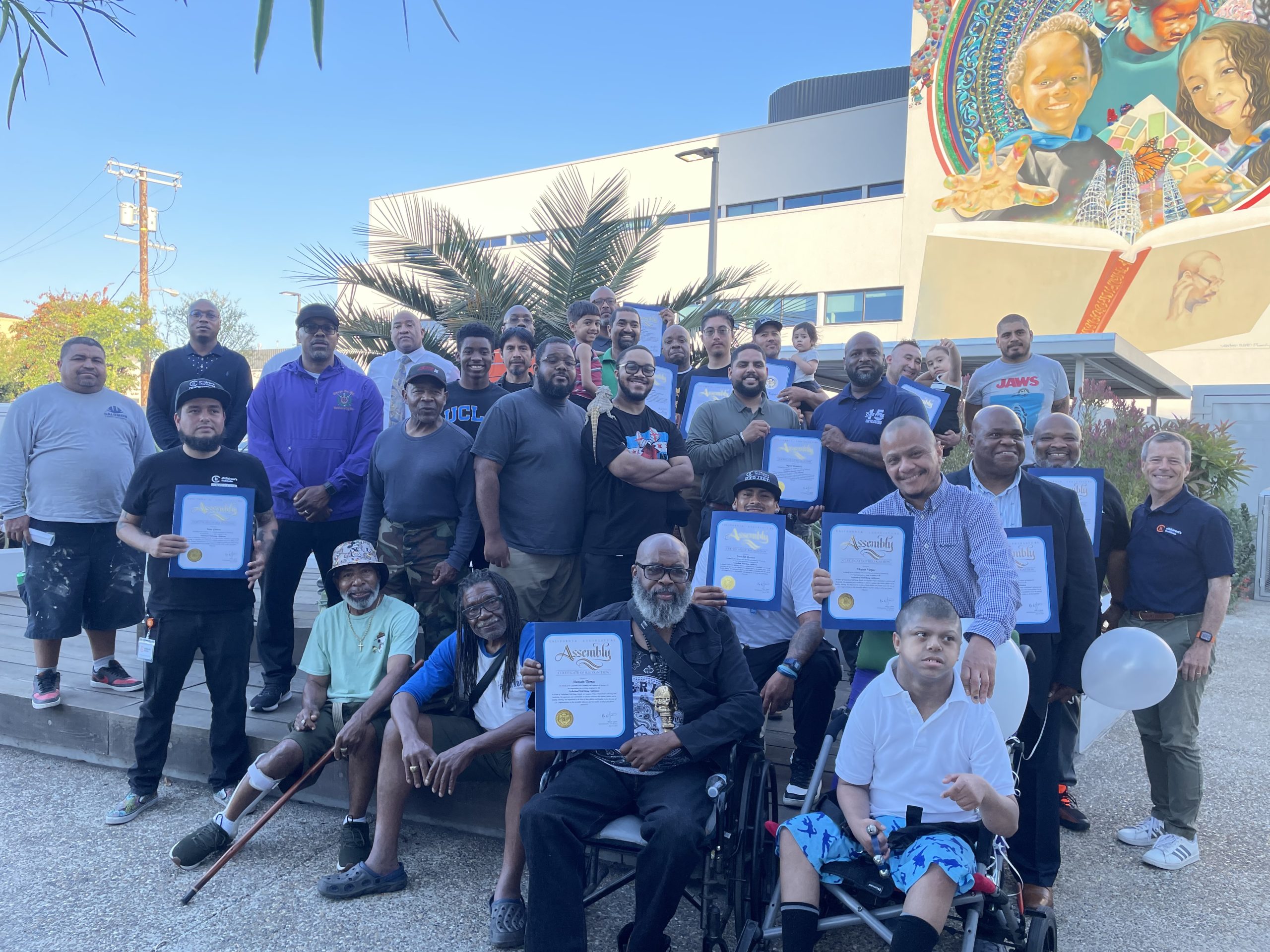
After hearing the input of fathers and participating in several advocacy trainings hosted by Social Current, Children’s Institute recognized a need to advocate within all levels of government to bolster and expand this work.
Engaging over 100 fathers, community partners, and government agencies, Children’s Institute held a series of listening sessions that allowed LA County representatives to hear directly from fathers impacted by systemic inequity. These sessions resulted in 27 recommendations advanced by the county in areas including child services, mental health, economic support, and the justice system.
Children’s Institute’s Government Relations & Advocacy and Project Fatherhood teams cultivated a network of elected officials to champion father well-being and amplify a new narrative about fathers. The effort declared June “Fatherhood Well-Being Month” each year in the state of California through House Resolution 36.
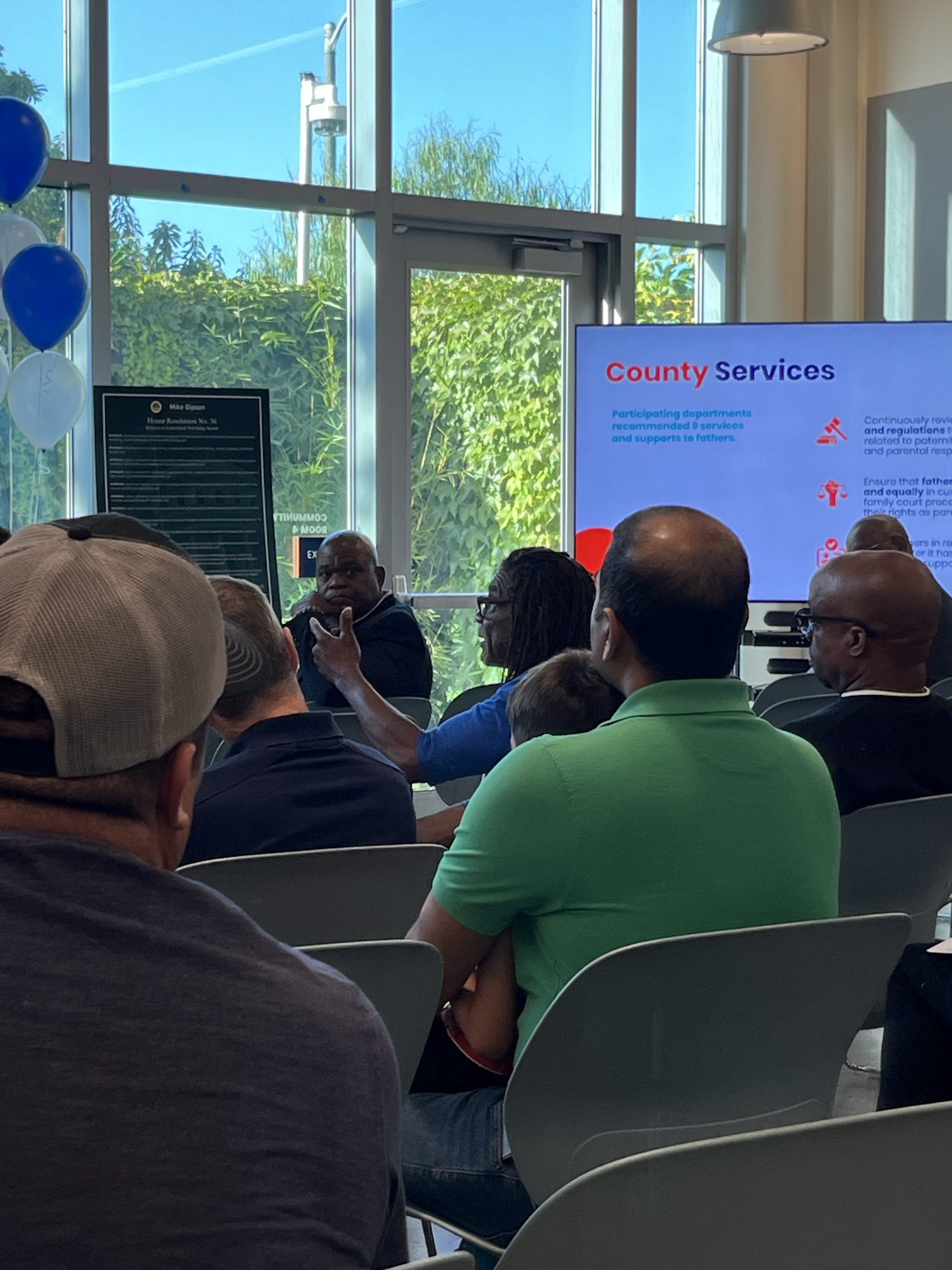
With several federally funded initiatives—including Project Fatherhood—Children’s Institute seeks to expand its advocacy efforts at the federal level. Recently, the Government Relations & Advocacy team attended Social Current’s 2024 Advocacy Amplified Training and Hill Day, where they were able to advocate for Head Start funding to further propel their programs forward. Social Current staff also reviewed and provided feedback on their public policy and advocacy agenda to ensure greater impact.
“We are so thankful for our partnership with Social Current,” said Terry Kim, director of government relations and advocacy at Children’s Institute. “They facilitate opportunities to connect with organizations across the country, enhancing our impact and supporting our growth to be stronger advocates for our communities.”
Connect Local Voices to National Advocacy: Join Us in Washington, D.C.
Join Social Current for the Advocacy Amplified Training and Hill Day, taking place June 16–18 in Washington, D.C. This dynamic two-day training and advocacy day on Capitol Hill will equip you with the tools, strategies, and confidence to be a powerful advocate for your organization and community.
Whether you’re new to advocacy or looking to sharpen your approach, this is your opportunity to learn alongside peers, engage directly with lawmakers on Capitol Hill, and make your voice heard.
Social Current also offers customizable solutions to help organizations expand their advocacy efforts and increase their impact–from advocacy and government relations advising, strategy development, and more.
Social Current’s Knowledge and Insights Center recently released an overview of assessing and managing risk for community-based human and social services organizations. Unexpected events, such as disasters, economic downturns, or sudden shifts in public policy, can often cause greater harm to these organizations because they often operate with limited resources, rely heavily on volunteers, and are sustained through government and philanthropic funding.
It is imperative that organizations are proactive and conduct regular risk assessment and mitigation planning to identify financial and operational vulnerabilities and develop plans that can be implemented quickly if adverse situations occur.
Effective risk management is also pivotal to maintaining stability and growth in uncertain times. It encompasses a systematic approach to identifying potential threats and opportunities, evaluating their likelihood and impact, and implementing strategies to moderate adverse effects while maximizing positive outcomes. This spotlight covers:
- Assessment and mitigation
- Financial contingency planning
- Disaster planning
- Tools and assessments
- Discussion questions for your board and leadership team
- Resources for further reading
Download the spotlight on assessing and managing risk online.
Social Current’s Knowledge and Insights Center provides human and social services organizations with the research and information they need to stay current and make informed decisions. In addition to a clearinghouse library, it offers resource collections on key topics, access to specialized databases, and research support from skilled librarians. To gain access, organizations can become a Social Current Impact Partner or purchase access. Contact us to learn more.
Additional Risk Management Resources
- Nonprofit Risk Management Center. Social Current network organizations, including COA accredited organizations and Impact Partners, receive complimentary membership to the Nonprofit Risk Management Center. This includes unlimited risk management support via phone or email, live and on-demand webinars, and discounts on many other templates and tools.
- Marsh McLennan Agency. Social Current Strategic Industry Partner Marsh McLennan Agency offers a dedicated, in-house risk management team that works with clients to uncover root-cause behaviors. With best practices and regulatory awareness at top of mind, they strengthen your organization’s safety and risk control measures.
On March 27, the U.S. Department of Health and Human Services (HHS) announced a significant restructuring aligned with President Trump’s executive order on government efficiency and workforce optimization.
The plan reduces HHS regional offices from 10 to five and eliminates an additional 10,000 positions, following previous downsizing efforts. In addition to HHS staff reductions, the Administration for Children and Families (ACF) has announced the immediate closure of five regional offices—Regions 1, 2, 5, 9, and 10—effective April 1. The restructuring consolidates existing divisions into 15 new units, including a newly established Administration for a Healthy America (AHA).
AHA will integrate several agencies—the Office of the Assistant Secretary for Health, Health Resources and Services Administration, Substance Abuse and Mental Health Services Administration, Agency for Toxic Substances and Disease Registry, and National Institute for Occupational Safety and Health. Its focus will include primary care, maternal and child health, mental health, environmental health, HIV/AIDS, and workforce development.
HHS also plans to establish a new Assistant Secretary for Enforcement to oversee the Departmental Appeals Board, Office of Medicare Hearings and Appeals, and Office for Civil Rights—aiming to curb waste, fraud, and abuse in federal health programs. Additionally, the Administration for Community Living will be absorbed into other HHS agencies, including the Administration for Children and Families, Assistant Secretary for Planning and Evaluation, and Centers for Medicare and Medicaid Services.
Lawmakers Examine Fair Labor Standards Act in Light of Modern Workforce
On March 25, the Subcommittee on Workforce Protections held a hearing to evaluate the Fair Labor Standards Act (FLSA), focusing on its effectiveness, challenges, and potential updates for today’s workforce.
Enacted in 1938, the FLSA established a federal minimum wage, overtime pay requirements, and child labor protections. With the rise of independent work and changes in technology and workplace practices, both lawmakers and witnesses called for reforms to better reflect the current labor landscape.
Witnesses emphasized the need for clearer definitions of employers, employees, and work to ensure fair pay. They urged updates to how overtime pay is calculated, along with clearer criteria for exempt status and compensable time.
Additional recommendations included strengthening the U.S. Department of Labor’s enforcement authority and enabling flexible schedules, learning opportunities, and nontraditional work arrangements to meet the evolving needs of workers and employers alike.
Congress Explores AI’s Role in K-12 Education
The Subcommittee on Early Childhood, Elementary, and Secondary Education held a hearing to examine the evolving role of technology in schools, with a focus on the opportunities and challenges of artificial intelligence (AI) in the classroom.
Lawmakers and witnesses discussed how schools can equip students to use AI responsibly while maximizing its benefits. A key theme was the need for standardized data protections that uphold student privacy.
Witnesses called for a strong federal framework to support cybersecurity infrastructure and interoperability standards. They also emphasized the importance of continued research to assess AI-related risks and of increased funding to close the digital divide and ensure equitable access to technology.
The hearing highlighted how AI can empower educators to personalize instruction, support students with disabilities, and better prepare students for a rapidly changing workforce. Witnesses noted that early exposure to AI tools could give students a long-term advantage in navigating emerging career paths.
Federal Student Aid Reopens IDR and Loan Consolidation Applications
The U.S. Department of Education’s Office of Federal Student Aid has reopened applications for income-driven repayment (IDR) plans and loan consolidation, following updates to comply with a federal court order.
The revisions stem from a Feb. 18 injunction issued by the 8th Circuit Court of Appeals, which temporarily blocks the Department from implementing the Saving on a Valuable Education (SAVE) Plan and certain provisions of other IDR plans. The injunction prohibits the use of the SAVE formula to calculate monthly payments and halts loan forgiveness under the SAVE, Pay As You Earn (PAYE), and Income-Contingent Repayment (ICR) plans.
Despite these restrictions, borrowers can still apply for the Income-Based Repayment (IBR), PAYE, and ICR plans using the updated application.
Updates from the Judiciary
Supreme Court Hears Arguments Surrounding Tax Exemption for Religious Organizations
Catholic Charities Bureau Inc. is challenging a Wisconsin Supreme Court decision that denied the organization a religious exemption from state unemployment insurance taxes. The nonprofit argues that the state unconstitutionally rejected its exemption request, which Wisconsin law allows for organizations operated primarily for religious purposes.
Wisconsin contends that, while the organization may be religiously motivated, its services – such as job training for people with disabilities – are secular in nature and therefore do not qualify for the exemption.
The Wisconsin Supreme Court sided with the state, ruling that Catholic Charities is not operated primarily for religious purposes. The organization appealed, and the U.S. Supreme Court heard oral arguments on March 31.
Justices appeared likely to rule in Catholic Charities’ favor but expressed concern about the broader implications of expanding religious exemptions. Wisconsin’s Assistant Attorney General warned that such a ruling could jeopardize unemployment coverage for more than one million employees nationwide, including those working in religiously affiliated hospitals.
A decision from The Supreme Court is expected by the end of June.
Federal Court Blocks Enforcement of EDI Certification Requirement for DOL Grantees
A federal judge in the Northern District of Illinois has temporarily blocked the Department of Labor from enforcing part of an executive order that requires grantees to certify they do not operate equity, diversity, and inclusion (EDI) programs that violate federal anti-discrimination laws.
The judge ruled that the certification requirement likely violates free speech rights. The decision noted that the executive order’s vague language and lack of clear definitions of “illegal” EDI programs could lead to self-censorship by grantees seeking to avoid financial penalties.
The order extends to all Labor Department contractors and grant recipients and remains in place until April 10 while the court considers a permanent injunction.
Federal Court Blocks Termination of Refugee Resettlement Contracts
The U.S. District Court for the Western District of Washington has issued an injunction halting the cancellation of contracts under the U.S. Refugee Admission Program (USRAP). The ruling follows an earlier nationwide injunction against an executive order that temporarily suspended refugee admissions.
In response to that first injunction, Secretary of State Marco Rubio moved to terminate all domestic resettlement agency cooperative agreements for reception and placement services, as well as all but one agreement supporting USRAP processing abroad.
Judge Whitehead ruled that the termination of these agreements would “effectively dismantle” USRAP and violate the earlier court order. The new injunction aims to preserve the status quo and prevent irreversible harm to refugee resettlement infrastructure as litigation proceeds.
Subscribe to the Policy and Advocacy Radar to receive our biweekly policy roundup, which includes commentary on issues in Social Current’s federal policy agenda, opportunities to take action, and curated news and opportunities.
Our technology infrastructure is a critical component to the services we deliver to our network. After careful evaluation, it was decided that a complete overhaul was needed to ensure the stability and evolution of our systems moving forward and provide an overall enhanced user experience.
Social Current is pleased to announce the completion of its technology redevelopment project. This was a major undertaking and requiring significant financial investment, with the project spanning 14 months of planning and development to evaluate all business processes and rebuild everything from the ground up – from intake to invoicing to site visits to accreditation – and everything in between. As is often the case with these types of initiatives, a significant amount of work took place on the back end and while not directly visible, is foundational to the changes you will notice.
Your ongoing feedback has been critical to the success of this project, and we have listened to the pain points to streamline processes and increase usability. A few key enhancements include streamlining the entire accreditation process, discontinuing the use of Box for materials submission allowing for direct uploads of materials, updating schedulers to enhance the intake process for organizations beginning the accreditation process, and creating an integrated and seamless experience across all Social Current portals and for event registration.
Our work does not stop here, and we continue to invest in and improve our systems to ensure an optimal user experience. We will continue to solicit user feedback as you begin to utilize the new portals.
Questions?
Organizations that are in-process for COA Accreditation should view the FAQ section in the MyCOA portal or contact their accreditation coordinator. All other organizations should email our helpdesk.
If you have questions regarding the new MyCOA portal, please visit the FAQs Guide.
On March 20, President Donald Trump issued an executive order directing the Secretary of Education to take all necessary steps to facilitate the closure of the Department of Education. The order intends to return authority over education to the states and their local communities.
The Secretary of Education, Linda McMahon, issued a statement stating that “closing the Department does not mean cutting off funds from those who depend on them.” McMahon affirmed the Department’s commitment to supporting K-12 students, students with special needs, college student borrowers, and others who rely on essential programs.
Although terminating the Department of Education requires Congress to pass directed legislation, the order follows significant staffing reductions that will hinder the Department of Education’s ability to function effectively.
CMS Rescinds Medicaid’s Health-Related Social Needs Guidance
The Centers for Medicare and Medicaid issued an informational bulletin announcing its recission of 2023 and 2024 guidance explaining how states could access Medicaid coverage for health-related social needs (HRSNs), including through Section 1115 demonstrations. The demonstrations fund opportunities for states to create trial projects to assist Medicaid beneficiaries in accessing essential health care services. The guidance also rescinds the HRSN framework published by CMS in 2023.
The demonstrations enabled states to provide support through Medicaid and the Children’s Health Insurance Program, including toward:
- Nutrition
- Housing
- Employment support
- Medical respite
- Utility assistance
- Case management services
The policy change does not apply to existing HRSN programs that Medicaid covers; however, it may impact states’ ability to renew their coverage policies. CMS will continue to consider state requests for Medicaid coverage of HRSNs on a case-by-case basis to determine whether they comply with other federal requirements.
President Trump Signs Continuing Resolution
Congress approved a continuing resolution (CR) that will extend government funding through September. The CR increases funding for the Food and Drug Administration, including by allocating an additional $500 million for the Special Supplemental Nutrition Program for Women, Infants, and Children. It also extends funding for Temporary Assistance for Needy Families, Community Health Centers, the National Health Service Corps, and the Special Diabetes Program.
The resolution also calls for funding cuts, including:
- $160 million in obligated funds under the American Rescue Plan Act
- $1.5 billion from HHS’s nonrecurring expenses fund
- A nearly 5% funding reduction for the Department of Veterans Affairs
- A nearly 3.5% funding reduction for Transportation and Housing and Urban Development
CMS Offers Flexibility for State Medicaid and CHIP FFS Program Deadlines
The Centers for Medicare & Medicaid Services offered additional time for states struggling to implement a rule that would require fee-for-service Medicaid programs to improve the timeliness of prior authorization decisions (CMS-0057-F).
The Centers for Medicare & Medicaid Services Interoperability and Prior Authorization final rule established that, beginning January 1, 2026, state Medicaid and Children’s Health Insurance Program fee-for-service programs send prior authorization decisions within established timeframes: 72 hours for expedited requests and seven calendar days for standard requests. When prior authorizations are denied, the reason for the denial must be communicated to providers.
However, CMS recognizes the unique challenges and extenuating circumstances states may face as they implement the adjusted timeframes. The agency expressed its commitment to working with state Medicaid and CHIP FFS programs to discuss situational challenges and identify a target compliance date.
Senate Committee on Aging Holds a Hearing on Senior Loneliness
The United States Senate Special Committee on Aging held a hearing to discuss the epidemic of rising social isolation and loneliness among American seniors and the severe harm it poses to their health and safety. Witnesses and senators lamented the increased risk to seniors’ physical and mental health, memory and thinking skills, and potential to participate in the workforce.
Committee members and witnesses discussed risk factors, including the decline of multi-generational living, declining participation in community and civic life, and barriers to physical and financial mobility. Witnesses recommended strengthening federal programs and aging services, investing in meal programs, and expanding intergenerational programs. They also advocated for enhancing Medicare’s role in addressing loneliness including through wellness visits with routine screenings, supporting caregivers, improving transportation access, and strengthening digital inclusion.
House Committee on Education and Workforce Holds a Hearing on School Choice
The Subcommittee on Early Childhood, Elementary, and Secondary Education detailed declining education outcomes and stressed the trend’s harm to children’s futures and America’s prosperity and security. Chairman Kiley (R-CA) introduced school choice as a critical place for reform, including through conventional vouchers, education savings account vouchers, tax credit scholarship vouchers, and tax credits.
Ranking Member Bonamici (D-Ore.) affirmed the importance of school choice through magnet schools, public charter schools, and inter-district and intra-district open enrollment policies. However, Bonamici also emphasized the importance of public schools’ federal civil right protections against discrimination and segregation and stressed the lack of accountability in private schools.
Several witnesses spoke in favor of private schools and the safety and academic quality they offer. Dr. Michael McShane, the director of national research at EdChoice, a nonprofit whose mission is to advance educational freedom and choice as a pathway to successful lives and a stronger society, cited studies that demonstrated how school choice programs generally help raise participants’ academic results. In seventeen random assignment studies, eleven found positive results for some or all students, four found no effect, and two found negative effects.
Nevertheless, Jessica Levin, the litigation director for the Education Law Center, a nonprofit that strives to safeguard students’ right to a high-quality education, spoke against private schools and raised concerns about their limited quality and accountability standards. Levin refuted the evidence provided by the previous witnesses presented and shared studies of worsening academic outcomes in private schools. She also stressed uncovered expenses, including transportation and books, the loss of federal protections public schools offer to students with disabilities, and the harm of diverting federal and state funds from underfunded public schools.
Head Start Grantees Instructed to Remove EDI from Training and Expenditures
On March 21, the Administration for Children and Families (ACF) announced that the Office of Head Start will not approve the use of federal funding for training, technical assistance, or other program expenditures that promote or participate in equity, diversity, and inclusion (EDI) initiatives. This decision also applies to expenditures for services provided by contractors or vendors.
Acting Assistant Secretary Andrew Gradison further advised Head Start grant recipients to carefully review their funding applications, including the budget and budget justification narrative, training and technical assistance plans, program goals, and any other supplemental materials, before submitting their next application.
This announcement aligns with an executive order issued by President Trump, which directs federal agencies and departments to eliminate EDI initiatives.
Updates from the Judiciary
Executive Orders Prohibiting Federal EDI Efforts Temporarily Reinstated
The 4th U.S. Circuit Court of Appeals is allowing the Trump administration to temporarily reinstate two executive orders that prohibited equity, diversity, and inclusion (EDI) efforts at federal agencies and government contractors as litigation continues.
Ending Radical and Wasteful Government EDI Programs and Preferencing directs federal agencies to abolish all EDI programs within the federal government. Ending Illegal Discrimination and Restoring Merit-Based Opportunity requires recipients of federal grants and contracts to certify that they do not operate unlawful EDI programs, and it directs federal officials to “encourage” the private sector to end EDI.
Judges within the 4th Circuit maintained that the partial, nationwide preliminary injunction previously issued was premature but noted the administration might violate free speech and other rights if the orders are enforced too aggressively. The verdict does not determine the legality of the executive orders, and the lawsuit remains pending.
Supreme Court Agrees to Determine the Constitutionality of Conversion Therapy Ban
The Supreme Court agreed to hear a lawsuit questioning the constitutionality of Colorado’s ban on conversion therapy for minors. The American Academy of Child and Adolescent Psychiatry defines conversion therapies, or reparative therapies, as interventions that alter same-sex attractions or an individual’s gender expression to align with heterosexuality.
The lawsuit was filed by Kaley Chiles, a licensed counselor and a practicing Christian, who maintained Colorado’s law violates her First Amendment rights to free speech and to freely exercise her religion.
The U.S. Court of Appeals upheld Colorado’s law because it was enacted based on the evidence of conversion therapy’s harm. Rather than speech, the court determined the law sought to regulate the health care profession and therapists’ conduct.
The Supreme Court’s hearings will likely be held in the fall, and its decision will likely be issued in the summer of 2026. The verdict will decide whether state and local governments can enforce laws banning conversion therapy for LGBTQ+ children.
Through COA Accreditation, a service of Social Current, we seek to empower organizations to implement best practice standards to improve service delivery and achieve better outcomes for individuals and communities. COA Accreditation provides a framework to help organizations manage resources, incorporate best practices, and strive for continuous improvement.
We believe there is rich expertise in our field, so we ground the COA Accreditation process in our human and social services community. Our volunteer peer reviewers conduct our site visits and finalize accreditation decisions.
We are proud to spotlight the latest Volunteer of the Quarter: Milton Fonseca.

About Milton Fonseca
Milton Fonseca’s family emigrated from Cuba and settled in South Florida in 1991. Raised by a hardworking single mother, he learned the values of perseverance, integrity, and dedication to service. His professional journey began in 2004 when he joined the Advocate Program Inc. (AP) as a front desk clerk in the DUI Department. AP is a multifaceted organization serving the South Florida tri-county area of Miami-Dade, Broward, and Monroe Counties, and as of 2024, has expanded its services to Volusia County in Northeast Florida.
Throughout his tenure at AP, Fonseca has advanced within the organization from a program specialist to a program manager, and in 2018, assuming the role of director of performance and quality improvement. In 2024, he was appointed director of operations for Volusia County. His educational journey has been equally fulfilling—he earned his associate’s in business administration from Miami-Dade College in the summer of 2023 and completed a bachelor’s in leadership and innovation with a concentration in human resources in December 2024. He is also actively affiliated with Mothers Against Drunk Driving and the Florida Association of Community Corrections, both of which align with his commitment to public safety and rehabilitation efforts.
Fonseca was first introduced to COA Accreditation in 2015 when AP made the significant decision to pursue accreditation, reinforcing its dedication to quality service and continuous improvement. In 2019, he became the organization’s primary point of contact for reaccreditation cycles, leading successful reaccreditation efforts in 2019 and 2023. This experience has deepened his appreciation for COA Accreditation as a means of ensuring the highest standards in service delivery and organizational excellence.
Q&A
What three traits define you?
The three traits that define me are perseverance, resilience, and empathy. Throughout my professional journey and personal growth, I have had the privilege of working alongside passionate individuals dedicated to making a meaningful impact in the communities they serve. I firmly believe that success is built on a foundation of hard work, determination, and an unwavering commitment to progress, even in the face of adversity.
Resilience has allowed me to navigate challenges with strength and adaptability, turning obstacles into opportunities for growth. However, true leadership and service require empathy. Understanding and valuing the experiences of others fosters meaningful connections, ethical decision-making, and a genuine commitment to improving lives.
What are your strongest beliefs about the value of COA Accreditation?
I firmly believe that COA Accreditation is a powerful testament to an organization’s commitment to excellence. It signifies that an organization has met the highest standards of service, ensuring that every aspect of its operations–from service delivery to internal processes–aligns with best practices and industry benchmarks.
COA Accreditation is more than just a credential; it represents ongoing dedication to quality, accountability, and continuous improvement. It strengthens an organization’s ability to fulfill its mission, enhances service outcomes, and builds trust among clients, stakeholders, and the community. It is a symbol of integrity and a reflection of an unwavering pursuit of excellence in everything an organization does.
What advice would you give someone interested in being a COA Accreditation volunteer?
Go for it! Becoming a COA Accreditation volunteer is an incredibly rewarding experience that will challenge you, help you grow, and shape your professional development in ways you never imagined. As a COA Accreditation Peer Reviewer, you’ll gain invaluable insight into best practices across the nation, learning from diverse organizations that are making a real difference in their communities. Not only will you bring back knowledge and fresh perspectives to your own organization, but you will also contribute to strengthening the field as a whole.
Along the way, you’ll meet dedicated professionals who share your passion for service—and maybe even a celebrity or two! During one site visit, I had the unexpected honor of meeting Academy-Award-winning actress Jamie Lee Curtis—but I digress. More importantly, serving as a Peer Reviewer has been one of the greatest joys of my career. I look forward to continuing this journey for many years as a Lead Peer Reviewer and being part of Social Current’s mission to promote excellence in human and social services through COA Accreditation.
What excites, surprises, and/or challenges you the most about the work you do as a COA Accreditation volunteer?
When I began my journey as a COA Accreditation Peer Reviewer, I was eager to witness the incredible work being done by organizations across the country, hoping to bring back valuable insights and best practices to enhance my own organization. What I didn’t expect was the profound impact that my fellow Peer Reviewers —particularly the seasoned Lead Reviewers—would have on me, both professionally and personally.
I have been truly inspired by individuals who have dedicated years, and in some cases, decades, to this work. Their unwavering commitment, professionalism, and passion for service excellence have shaped my own approach as a Peer Reviewer and Lead. I have had the privilege of learning from some of the best, including Helene Cohen, the great Stan Capela, Kathy Cook, Ray Barber, and Jerry Moran. Their mentorship and leadership have not only refined my skills but have deepened my appreciation for the power of COA Accreditation in strengthening organizations and, ultimately, the communities we serve.
What led you to become a COA Accreditation volunteer?
Being deeply involved in my organization’s initial accreditation process and leading subsequent reaccreditation cycles sparked my passion for the COA accreditation process. I was eager to gain a broader perspective—one that allowed me to step into the role of a peer reviewer and witness firsthand how other organizations across the nation operate and serve their communities.
What truly drew me to become a COA Accreditation peer reviewer was the opportunity to witness the incredible work being done by organizations committed to excellence and positive change. Engaging with diverse organizations, learning from their best practices, and contributing to their journey toward continuous improvement is a privilege I do not take for granted. It is both inspiring and rewarding to be part of a process that upholds the highest standards of service and strengthens the collective impact we strive to make in the lives of those we serve.
Learn more about how to become a peer review volunteer and apply online.