
Social Current is excited to introduce the newest cohort of our Executive Leadership Institute, our yearlong leadership development program held in partnership with Loyola University Chicago’s Quinlan School of Business.
This dynamic group of leaders is helping to shape the future of the social sector. They represent a diverse cross-section of human and social services organizations, all united by a shared commitment to helping all people thrive.
The participants will learn from experts, receive guidance from mentors, and apply their learning to projects that strengthen their organizations. We’re excited to support this cohort on this next step in their leadership journey.
Learn more about the Executive Leadership Institute online. To stay in the loop about our 2026-2027 institute, share your email.
Announcing the 2025-2026 Executive Leadership Institute Cohort

Randy Bendle
Operations Director, Alaska Family Services, Inc.

Victoria Dawson
Vice President of Operations, Family Service Association

Milton Fonseca
Director of Performance and Quality Improvement & Director of Operations, Volusia County Advocate Program, Inc.

Dr. Devon Goetze, MPA, PhD
Director of Housing Services, Auberle

Celeste Hurley
Executive Director, Violence Free Futures, Inc.

Vanessa Kucera
Deputy Director, Chief Operating and Financial Officer, MYSI Corporation

Iris Lopez
Division Chief Community Based Services, Hillsides

Amanda Masterson
CEO, Boys & Girls Haven

Christine Roerig
Director of Marketing, Shelter Inc

Michelle Saint Hilarie
Senior Statewide Program Director, Child & Family Resources, Inc.

Meleah Spencer
CEO, The Kitchen Inc.

Tony Weaver
Vice President, Clinical and Housing Services, Wayfinder Family Services
The digital front door to human and social services organizations has long been the “Search Network.” For years, platforms like Google and Bing have supported individuals in their search for everything, from disaster relief programs to elder care and child welfare initiatives. However, a new normal is now evolving on the Search Network. With the integration of AI Overview, how users search for and find information is rapidly changing. This shift is prompting organizations to refine how they create website content and how their search advertising strategies are initially developed.
Here’s what you need to know about the AI Overview and how is it specifically impacting the Search Network. AI Overview is the comprehensive, AI-generated answer that appears prominently at the top of your search results, designed to directly address your query. For instance, if you search for “disaster relief organizations near me,” the AI Overview might provide a detailed response, as shown in the screenshot below, along with a recommendation for an organization you can explore further. While it includes some descriptive text and links to their website, its primary purpose is to deliver a quick, direct answer to the user.

As more users find their answers directly within AI Overview, the trend of visiting websites directly to locate information is naturally declining. This shift redefines the Search Network’s role as a user acquisition tool and reshapes how individuals will engage with websites for deeper insights in the future. With AI Overview now a prominent feature on Google and Bing, organizations should anticipate fewer direct clicks to their websites, potentially reduced impressions on both organic and paid search listings, and an amplified demand for high-quality, authoritative content. The urgency to establish content marketing within your organization is greater than ever, as AI Overview prioritizes content that precisely and clearly answers the questions your audience is asking via search.
While this new normal might seem to present some drawbacks, there are also distinct benefits for your website traffic. When a user consumes your AI Overview result (which may mention your organization) without actually clicking through to your website, this is often termed “Zero Click Marketing.” You are effectively marketing to your audience before they click, potentially putting more eyes on your content, provided it’s optimized for those search results. In addition, when a user does click through to your website, their intent is often much higher. This is likely because they didn’t find the complete answer they sought in the AI Overview, or they’re actively looking for more in-depth information. The result? Longer time on site, higher engagement rates, and ultimately, more conversions. This process effectively pre-qualifies a lead before they even reach your website, confirming they are more intentional and further along your conversion funnel than users you might have attracted previously.
Staying up-to-date with how AI Overview is transforming the Search Network offers a crucial advantage in maintaining a strong online presence for your website. The more users who see your content within AI Overviews and engage with your search listings, the more likely they are to become interested in your programs and ultimately support your organization. Therefore, optimizing your content for these overviews is essential.
Here are some key suggestions to improve your content for AI Overview:
- Write content that answers questions directly and clearly. Your answers should appear as relevant results for a user, so avoid adding fluff and try including relevant keywords.
- Keep your content fresh and relevant, ensuring it remains highly applicable to trending or frequently searched queries. This means your blogs from last year and previous years need to be updated—an easy way to get more content on your website while leveraging what you already know works.
- Create more FAQs and utilize bullet points and lists to outline your thoughts and recommendations concisely yet valuably.
- For Google Ads, take advantage of new features like AI Max campaigns that will allow you to run ads in AI Overview placements. Also, consider diversifying your search engine placements by running ads on YouTube Search and even Google Maps search via Performance Max campaigns.
Although the Search Network offers a strong digital acquisition path for human and social services organizations, it’s undeniable that people truly connect and engage because of the vital work these organizations perform. While the ongoing transition on the Search Network is indeed establishing a new normal, one certainty endures: Users will consistently seek the invaluable services your organizations offer, and the need for support will always remain relevant. Therefore, optimizing your content not only effectively connects those in need to your programs but also proactively future-proofs your website, positioning it for continued success as AI Overview further evolves.
Cause Inspired is a digital marketing agency that focuses on nonprofits. As the largest Google Ad Grant service provider, they help hundreds of organizations maximize Google’s $10,000 grant each month to achieve their digital and organizational goals. Learn more about Cause Inspired by visiting their blog and website.
Learn More about AI at SPARK 2025
At Social Current’s SPARK 2025 conference, Oct. 20-21 in Chicago, chief executives (CEOs and executive directors) will have a unique opportunity to deepen their understanding of how to lead through this change with the workshop, A1: AI Is Here—Now What? How CEOs Are Leading with Generative Intelligence. This session will feature candid insights from Brightpoint, a Social Current network organization, and Truth Collective, which has supported marketing and branding initiatives for Social Current and Brightpoint. Participants will explore applications and leadership-level implications for integrating AI into mission-driven work.
While the social sector was initially slower to adopt artificial intelligence (AI) than the private sector, they are quickly catching up. Now, 58% of nonprofit organizations say they are testing use cases for AI. Facing budget constraints and staffing shortages, many organizations can leverage AI tools to effectively bridge these gaps. AI can be useful across many organizational functions, including human resources, data and quality improvement, IT, and marketing, but some employees may feel hesitant to use it.
Understandably, there is a clear tension between the anxiety around AI and the promise that it can automate processes and improve efficiency.
Opportunities
Below are four key considerations as organizations develop a human-centric approach to AI implementation, allay workplace anxiety, and empower employees to take ownership of new tools:
- Build Trust through Transparency and Communication: Organizations that are open and transparent about their AI adoption plans, including how AI will impact roles and what training opportunities will be provided, can significantly reduce employee anxiety. Involving employees in the AI adoption process can also build trust and a sense of ownership. Consider creating a cross-functional AI-readiness team involving employees from all levels in the organization.
- Use AI As an Assistant, not a Replacement: When framing AI initiatives, focus on the tasks they can support and emphasize that they are not supplanting any one job or position. Repetitive, data-intensive, and predictable tasks are prime candidates for AI. When AI takes over these monotonous aspects of a job, it can free employees to focus on more creative, strategic, and human-centric work. This can boost job satisfaction and reduce burnout.
- Don’t Underestimate the Importance of Upskilling and Training: This step is crucial for mitigating job anxiety. Organizations implementing AI-driven initiatives have a responsibility to invest in training programs that equip employees with the skills needed to work alongside AI, manage AI systems, or transition into new AI-augmented roles. This includes both technical skills related to AI literacy and human skills like creativity and emotional intelligence.
- Implement AI Ethically and Create Contingency Plans: Concerns about bias, privacy, and the dehumanization of work are valid. Implementing AI ethically, with robust governance frameworks and human oversight, is essential to build trust and ensure AI serves humanity, not the other way around.
Risks
For all the benefits of AI, there are many risks as well. AI can magnify human biases, open the door to data breaches, put client privacy at risk, and just be completely inaccurate. According to the recent State of the Nonprofit Sector Report, 42% of organizations are concerned about these dangers. Another finding related to workplace morale is that employees who used generative AI frequently lost intrinsic motivation and experienced more disengagement at work than those with little-to-moderate use.
Nonprofits need to carefully consider the risks accompanying AI and document them as part of their risk-management strategy. Mitigation plans should include rapid responses to cybersecurity threats and data breaches; strategies for protecting client data and privacy; and comprehensive AI training for all employee, including how it works, how to check for inaccuracies and plagiarism, and appropriate use cases.
Despite the risks, less than 25% of social sector organizations have a clear strategy or policy for AI use. AI integration will continue to grow and now is the time to draft your organizational approach. Ask your teams to share their hopes, fears, and questions about AI. Draft processes and boundaries that keep personally identifiable information secure and out of generative AI systems. Upskill your team with AI courses, research, and workshops to better understand algorithmic bias and how to identify and mitigate bias risks.
Some sample templates for drafting your own AI use policies include:
- AI Policy Template: Acceptable Use of Generative AI Tools (2023) Thrive
- AI Policy Template: Build Your Organizational AI Policy (2024) Responsible AI Institute
Also explore these guiding frameworks for ethical and impactful AI adoption:
- Artificial Intelligence Risk Management Framework from NIST, U.S. Dept of Commerce
- Responsible AI Adoption in Philanthropy: An Initial Framework for Grantmakers from Project Evident
Conclusion
As artificial intelligence continues its rapid integration into all sectors, nonprofits stand at a crucial juncture. The opportunities for enhanced efficiency, expanded reach, and improved service delivery are immense. However, these advancements are not without complexities, and AI must be implemented thoughtfully with employees at the center. By fostering open dialogue, prioritizing staff empowerment, and investing in comprehensive AI literacy, nonprofits can ensure AI serves as a powerful force for good within their organizations and beyond.
Sources & Further Reading
Articles
- Does AI Take the Human Touch Out of Human Services? (2024) Social Current
- Real Talk on Artificial Intelligence: To Unlock the Potential of AI, Nonprofits Must First Know the Risk (2024) BusinessWest
- Gen AI Makes People More Productive – and Less Motivated (2025) Harvard Business Review
- Mapping the Landscape of AI Powered Nonprofits (2024) Stanford Social Innovation Review
- For AI Adoption Success, Focus on These Five Critical Value Drivers (2024) Forbes
- What Nonprofits Can Learn from the AI Hype Cycle (2025) Talking AI Substack
- Social Work Research in the Age of Artificial Intelligence (2023) Families in Society the Journal of Contemporary Social Services, 104 (Issue 4), 407-409
Reports
- 2025 State of the Nonprofit Sector (2025) Forvis Mazars
- The State of AI in Nonprofits Benchmark Report (2025) Tech Soup
- The AI Equity Project (2024) Sponsored by Giving Compass
- Grassroots and Nonprofit Perspectives on Generative AI (2024) JRF
Knowledge and Insights Center Resources
Social Current’s Knowledge and Insights Center (KIC) offers leaders expertly curated resources to stay ahead of sector trends, implement innovative strategies, and develop your skills to ensure you’re on the cutting edge of best (and next) practices.
Learning Community
Enhance your leadership skills through a range of professional development and learning opportunities. The KIC offers live webinars, self-paced courses, trainings, and learning cohorts.
Center for Creative Leadership Series: Lead the future of your organization and unlock your full potential with on-demand courses from the Center for Creative Leadership.
Next Big Idea Book Club (Impact Partner Exclusive): This book club features nonfiction titles curated by bestselling authors Malcolm Gladwell, Adam Grant, Susan Cain, and Daniel Pink. Through each concise, high-impact course, participants can gain a deep understanding of key concepts and practices in less than 45 minutes.
Business, Media, & Research Databases
From thousands of premium journals to the latest social sector news and media, Social Current Impact Partners and KIC subscribers have access to a wealth of evidence-based resources to support them in addressing any leadership challenge.
Business Books Summaries. Want to learn from bestselling business authors, but don’t have time to read everything on your list? Business Book Summaries provides concise overviews of thousands of key business books to help stay current and develop new skills.
Top Business Book Summaries on AI Technology:
- Generative AI: Navigating the Course to the Artificial General Intelligence Future (2025) Martin Musiol
- The CEO’s Digital Survival Guide (2025) Nathan Wittacre
- AI-Driven Project Management (2025) Kristian Bainey
- Generative AI: Insights You Need from Harvard Business Review (2024) Harvard Business Review
- AI-Savvy Leader (2024) David De Cremer
The Tech-Informed Leader’s Recommended Reading List:
- Welcome to AI: A Human Guide to Artificial Intelligence (2025) David L. Shier
- Unmasking AI: My Mission to Protect What Is Human in a World of Machines (2024) Joy Buolamwini
- You Look Like a Thing and I Love You: How Artificial Intelligence Works and Why Its Making the World a Weirder Place (2019) Janelle Shane
- Co-Intelligence: Living and Working with AI (2024) Ethan Mollick
- Human + Machine: Reimagining Work in the Age of AI (2024) Paul R. Daugherty & James Wilson
Social Current Resources and Opportunities
Customizable Consulting: As artificial intelligence reshapes the social sector, leaders have a critical role to play in guiding their organizations through this technological transformation with vision, transparency, and humanity. Social Current has deep expertise in leadership and organizational development in the social sector. We can partner with you to assess and enhance your leadership strategies and provide training for teams.
SPARK 2025: At SPARK 2025, chief executives (CEOs and executive directors) will have a unique opportunity to deepen their understanding of how to lead through this change with the workshop, A1: AI Is Here—Now What? How CEOs Are Leading with Generative Intelligence. This session will feature candid insights from Brightpoint, a Social Current network organization, and Truth Collective, which has supported marketing and branding initiatives for Social Current and Brightpoint. Participants will explore applications and leadership-level implications for integrating AI into mission-driven work.
Download this spotlight on AI as a PDF.
Juneteenth, observed each year on June 19, marks the day in 1865 when the news arrived in Galveston, Texas that the Civil War had ended and that enslaved people in the U.S. were free. Also known as Emancipation Day, it took two years after President Abraham Lincoln’s Emancipation Proclamation for that news of freedom to reach the enslaved people of Texas. The joy with which this news was greeted has translated into this national holiday, which is a celebration of African American culture, community, diversity and, most of all, resilience.
The history of African Americans, and their resilience in the face of enslavement, has often been overlooked or marginalized in American history. This has never been truer than today, where attempts to minimize Black culture and contributions continue. From painting over the “Black Lives Matter” plaza sign in Washington, D.C., to the Department of Defense removing a page about the military career of Jackie Robinson (which was restored after much vocal pushback), to the U.S. Navy’s consideration of renaming the USNS Harriet Tubman naval vessel – all these moves are attempts to erase a critical piece of our American history.
Juneteenth helps to remind us not just of the injustices of the past, but also of the resilience and perseverance of African Americans in the face of such adversity. In that way, it represents more than a celebration of freedom from slavery – it represents a call to action for social justice, equality, and healing from racial trauma.
Across the social sector, these messages resonate strongly with leaders who are tasked with the delivery of human and social services that are often targeted to support communities that have been marginalized and traumatized. Consider that human services and public benefit organizations have the highest representation of Black CEOs, 19% and 18% respectively, compared to other subsectors. Additionally, of Black CEOs across all mission-based organizations, 64% are women. What these leaders bring so critically to their work is a longtime affinity for and understanding of the importance of resilience to families, communities, and our workforce. As the social sector workforce has recovered from the challenges of a global pandemic and adapts to the chorus of voices demanding the rollback of equity, diversity, and inclusion efforts across our education and work institutions, it is a message that we all must take to heart.
By upholding and recognizing Juneteenth, people of all races can foster greater empathy, understanding, and resilience and the ability to work together toward a more inclusive and equitable society. That starts by learning from and embracing aspects of history that have been overlooked and by honoring the diverse experiences and contributions of all individuals and communities.
Juneteenth is, at its heart, a celebration of joy in freedom, culture, and community. Let’s commit to lifting up those values and celebrate our diversity, our resilience, and our belief in democratic freedoms and social justice for everyone.
Tuesday, June 10
The Council on Foundations’ Leading Locally 2025 Conference kicked off today in Minneapolis. I am here representing Social Current to share perspectives learned from our work and to speak with funders about our social impact campaign. We know that Social Current, with the wisdom of our network of social sector organizations, has an important role to play in informing individual and institutional philanthropists. This year’s event began with a plenary session called “United in Giving,” which looked at the role philanthropy has played in U.S. history.
In moments of uncertainty and crisis in our nation—be it economic turmoil, public health emergency, or social justice movements—the importance of local philanthropy cannot be overstated. While larger organizations often dominate the conversation, grassroots initiatives hold the key to uniting communities and addressing immediate needs effectively–that’s also a critical belief of Social Current. We want to help each of you meet the needs of your communities as effectively and compassionately as possible.
Building Community Connections
Local philanthropy thrives on the principle of community engagement. It allows residents to come together, fostering relationships that transcend differences. For example, during the COVID-19 pandemic, community-led initiatives like neighborhood food drives and mutual aid networks sprang up across cities. These efforts not only provided essential resources but also strengthened bonds among residents, creating a sense of solidarity. This is happening now in our country, too—funders and organizations are coming together but even funders are experiencing the tremendous uncertainty of this moment, so don’t be surprised if they don’t have all the answers just yet.
Addressing Immediate Needs
Community-based organizations are uniquely positioned to respond quickly to pressing issues. With firsthand knowledge of the community’s challenges, they can tailor their responses to meet specific needs. For instance, in response to economic hardships, local nonprofits may offer job training programs or financial literacy workshops, equipping residents with the tools to navigate difficult times. By leading with local philanthropy, communities can mobilize resources efficiently, ensuring that support reaches those who need it most. It was clear from many of today’s speakers that funders are listening and try to respond in meaningful ways.
Inspiring Broader Change
Finally, local philanthropy can serve as a catalyst for broader societal change. Successful community initiatives often inspire larger movements and policies. By prioritizing local philanthropy, communities can test innovative solutions that may eventually impact national policies. That’s why Social Current is here to meet these funders and discuss our social impact campaign. The communities chosen for our first cohort will actively engage in learning, refining their approaches, and sharing their insights with others across the nation. The funders supporting this initiative will play a crucial role in facilitating this work.
Key Takeaways
Local funders are anxious to learn from you—and learn about you—but because they don’t have access to the same resources as larger funders, it is important for you to work with them to build collaborative projects and innovative strategies. Funders can also be great resources to help build partnerships. Seek them out for more than just a grant.
Wednesday, June 11
Bridging the Philanthropy Divide
More from Minneapolis! Minnesota, a state with significant urban areas and large, expansive rural landscapes, was a fitting location for discussions on the divide between philanthropy in rural and urban areas. At Social Current, we recognize that the divide between urban and rural areas is not just a statistic; it’s a reality felt by communities. More than 70% of the Top 25 Foundations in the U.S. are in large metropolitan areas. This statistic it climbs close to almost 80% if you include Robert Wood Johnson Foundation and W.K. Kellogg Foundation, which are about two hours from New Yor City and Detroit, respectively.
Urban Areas: Large-Scale Challenges
In urban settings, the issues can be widespread and often affect a significant number of people. Think about cities like New York or Los Angeles, where high housing costs lead to alarming rates of homelessness and food insecurity. Philanthropic efforts often focus on large-scale solutions—like funding for affordable housing initiatives or supporting food banks that serve thousands of individuals daily. Organizations such as the Robin Hood Foundation exemplify this by addressing poverty through comprehensive strategies that not only meet immediate needs but also tackle the root causes of these challenges. Funders can report to their board members that thousands or even tens of thousands of people have been impacted by a single grant—and that feels good.
Rural Areas: Overlooked Needs
On the flip side, rural areas often struggle with challenges that, while less visible, are no less urgent. Limited access to health care, fewer educational opportunities, and economic instability are common concerns. For instance, many rural communities lack sufficient health care facilities, which can lead to serious health issues that could have been prevented. Schools and homes may lack affordable, reliable internet access and good-paying jobs may not be nearby. Philanthropy in these areas has a different focus—and that may require other infrastructure, which is controlled by state or federal government entities. The Appalachian Regional Commission is a great example, successfully implementing initiatives to enhance economic development and education in underserved rural communities—but also how engaging policymakers was critical to the effort. But that effort may impact fewer individuals.
Collaboration is Key
To effectively tackle these diverse challenges, collaboration is essential. At Social Current, we believe that urban and rural organizations can learn from each other’s experiences. Urban groups can share insights on scaling initiatives, while rural organizations can emphasize the importance of grassroots engagement and community involvement. Programs like the Rural-Urban Bridge Initiative create connections, addressing issues like food distribution that link urban centers with rural farmers. It was great to hear today’s panelists talk about this and other similar projects—particularly around workforce training and technology.
Key Takeaways
At Social Current, we understand the importance of recognizing the rural-urban divide and fostering collaboration among communities of all sizes. Our expertise enables organizations to create positive impact and build strong relationships with funders, ensuring that both urban and rural initiatives receive the support they need. Whether your organization is addressing homelessness in a bustling city or enhancing health care access in a small town, we believe that a tailored approach to philanthropy is essential for meaningful change. We are dedicated to equipping our network with the skills and resources necessary to bridge this divide, empowering you to engage effectively with funders and stakeholders. Together, we can support your unique journey toward sustainable transformation, uplifting communities regardless of their location.
Thursday, June 12
The social sector and the philanthropic sectors are responding to a sea change—and that’s better than reacting to it.
In a decade marked by rapid political and social shifts, the social and philanthropic sectors are trying to transform. The most important takeaway from the Leading Locally 2025 Conference in Minneapolis is that rather than merely reacting to these changes, many organizations are embracing a proactive approach to strengthen their foundations and address systemic flaws. This shift from a reactive to a proactive mindset is crucial for building resilience against future uncertainties. Of course, there are urgent needs faced by many organizations and communities – and in some cases the need for critical work creates tension between funders and organizations.
Historically, the social sector has not been seen as strong enough to stand against the tide, swaying with the ebb and flow. This reactive stance leads to turmoil, as organizations scrambled to adjust their strategies in response to immediate crises, rather than focusing on long-term solutions. Funders and donors often drove this—modifying their funding priorities to align with shifts, which can dilute their mission and impact.
Recognizing this challenge, institutional funders and individual donors are taking steps to educate themselves about the broader landscape in which they operate. They are engaging in discussions about systemic issues such as inequality, access to resources, and the importance of sustainable practices. By understanding the root causes of these issues, donors are better equipped to support initiatives that address them holistically. This was the focus of many conversations in Minneapolis—and we at Social Current were pleased to be a part of them.
The philanthropic sector is beginning to recognize that providing flexibility in funding allows organizations to allocate resources where they are most needed, rather than being bound to specific project requirements. This shift not only empowers organizations but also fosters innovation and adaptability, qualities that are essential in a rapidly changing environment. Moving this idea forward to broad adoption is one of the cornerstones of Social Current’s social impact campaign.
Collaboration is emerging as another proactive strategy among funders—as well as creativity. Philanthropic organizations are increasingly partnering with each other to create comprehensive solutions that tackle systemic challenges. These partnerships foster a shared understanding of the issues at hand and enable collective action that is more impactful than isolated efforts. They are also looking for more creative ways to fund the social sector—through limited partnerships, the creation of pooled investment funds, and much more. These funding vehicles wouldn’t be as imperiled by changes in tax codes or status.
The social and philanthropic sectors are at a pivotal moment. By shifting from a reactive to a proactive stance, they can address systemic flaws and build resilience against future changes. Education, collaboration, and creativity are key strategies that will not only enhance their effectiveness but also ensure a more equitable and sustainable future for all. We at Social Current are ready to lend our hands to the effort to make these sectors which support so many people more resilient and effective.
Pride Month is time designated each year to champion equality, call attention to injustice, and celebrate the LGBTQ+ community. This resource from Social Current’s Knowledge and Insights Center (KIC) is designed to help your organization develop impactful Pride Month initiatives that extend beyond June and foster a more inclusive future. Learn how to effectively support your team, create positive change in your community, and stand firmly for LGBTQ+ rights all year round.
History of Pride Month
Pride Month, celebrated each June, traces back to theStonewall Uprisingin June 1969 in New York City. In response to a police raid at the Stonewall Inn, members of the LGBTQ+ community, notably Black transgender women, organized a series of spontaneous protests. This uprising is widely considered a turning point and one of the most important events leading to the gay liberation movement and the modern fight for LGBTQ+ rights in the U.S.
One year later, the first Pride marches were held in New York, Los Angeles, and Chicago to commemorate the Stonewall Uprising. These marches were both a commemoration of the resistance at Stonewall and a public demonstration for equal rights. The core message was a demand for visibility and an end to discrimination. The term “pride” was used as a direct counter-message to societal stigma.
Pride Month remains a powerful symbol of resistance, a celebration of identity, and a call to action. While significant progress has been made in many parts of the world, LGBTQ+ individuals still face discrimination, violence, and legal challenges. Pride Month serves as an important reminder of the work that still needs to be done to achieve full equality and acceptance for all. It encourages dialogue, promotes understanding, and inspires action to advocate against attacks on LGBTQ+ rights.
Further Reading on Pride History
- The History of Pride | Meg Metcalf, Library of Congress
- Pride Month: A History of Resistance | National LGBTQ Task Force
- Stonewall: The Definitive Story of the LGBTQ Rights Uprising the Changed America | Martin Duberman, Penguin Random House
- The Gay Revolution: The Story of the Struggle | Lillian Faderman, Simon & Schuster
Celebrating Pride at Your Workplace
As we think about the actions human services professionals can take in our spheres of influence to celebrate and promote equity for the LGBTQ+ community this month, consider some of these simple initiatives you could take to create a more inclusive, safe workplace. This is a good time for leadership teams to affirm their commitment to equity and model inclusive behavior by championing a workplace Pride Month initiative.
- Host a book club featuring a book on LGBTQ+ history or themes
- Facilitate a virtual lunch and learn with LGBTQ+ advocates and/or community leaders
- Highlight LGBTQ+ stories and experiences by sharing a daily video or podcast
Whatever format you choose, make sure to establish ground rules that emphasize respect, active listening, and confidentiality. Using tools that allow participants to contribute anonymously is also helpful for encouraging candid, open discussion.
Take it into the Community
Your organization can also show its support to the wider community. Some activities to consider include:
- Organize a donation drive or fundraiser for a community-based organization focused on LGBTQ+ awareness and equity
- Create a space (physical or virtual) for employees to post how they support LGBTQ+ causes in their community all year long
- Coordinate educational toolkits, webinars, or events for the community focused on LGBTQ+ topics
Keep the Momentum
While Pride Month serves as a vital and visible celebration and a call to action, the fight for equity, acceptance, and safety for LGBTQ+ individuals is a daily reality, not a seasonal event. Being an ally year-round means consistently educating oneself, challenging discrimination whenever it arises, using inclusive language, uplifting LGBTQ+ voices, and advocating for systemic change. Consistent, active support helps create inclusive environments where LGBTQ+ people feel safe, respected, and empowered to be their authentic selves every day.
Knowledge and Insights Center Resources
Social Current’s Knowledge and Insights Center (KIC) offers leaders expertly curated resources to stay ahead of sector trends, implement best practices, and develop your leadership skills.
Learning Community
Enhance your leadership skills through a range of professional development and learning opportunities. The KIC offers live webinars, self-paced courses, trainings, and learning cohorts.
This month, celebrate Pride and discover how to keep your momentum year-round with:
Business, Media, & Research Databases
From thousands of premium journals to the latest social sector news and media, Social Current Impact Partners and KIC subscribers have access to a wealth of evidence-based resources to support them in addressing any leadership challenge.
Business Books Summaries. Want to learn from bestselling business authors, but don’t have time to read everything on your list? Business Book Summaries provides concise overviews of thousands of key business books to help stay current and develop new skills.
Top Business Book Summaries on inclusive workplace strategies:
- All Pride, No Ego by Jim Fielding
- I Don’t Understand: Navigating Unconscious Bias in the Workplace by Buki Mosaku
- Daily Practices of Inclusive Leaders by Eddie Pate & Johnathan Stutz
- The Inclusive Organization by Netta Jenkins
The Inclusive Leader’s recommended reading list:
- Lead Like an Ally by Julie Kratz
- The Inclusive Language Handbook by Jackie Ferguson and Roxanne Bellamy
- Just Work: How to Root Out Bias, Prejudice, and Bullying to Build a Kick-Ass Culture of Inclusivity by Kim Scott
- Better Allies: Everyday Actions to Create Inclusive, Engaging Workplaces by Karen Catlin
- The Diversity Gap by Bethany B. Wilkinson
- Allies at Work: Creating a Lesbian, Gay, Bisexual, and Transgender Inclusive Work Environment by David M. Hall
Gain access to the Knowledge and Insights Center by becoming a Social Current Impact Partner or purchasing access.
The important work of creating an equitable society where all people can thrive cannot be achieved without the support of diverse community-based partnerships. Global Volunteer Month, celebrated in April, is a time to acknowledge and celebrate partners that donate time, resources, and expertise to make a difference in our communities.
Social Current is grateful for its corporate social responsibility partners, which bolster our network’s impact by engaging teams of corporate volunteers and generously donating resources.
Aramark
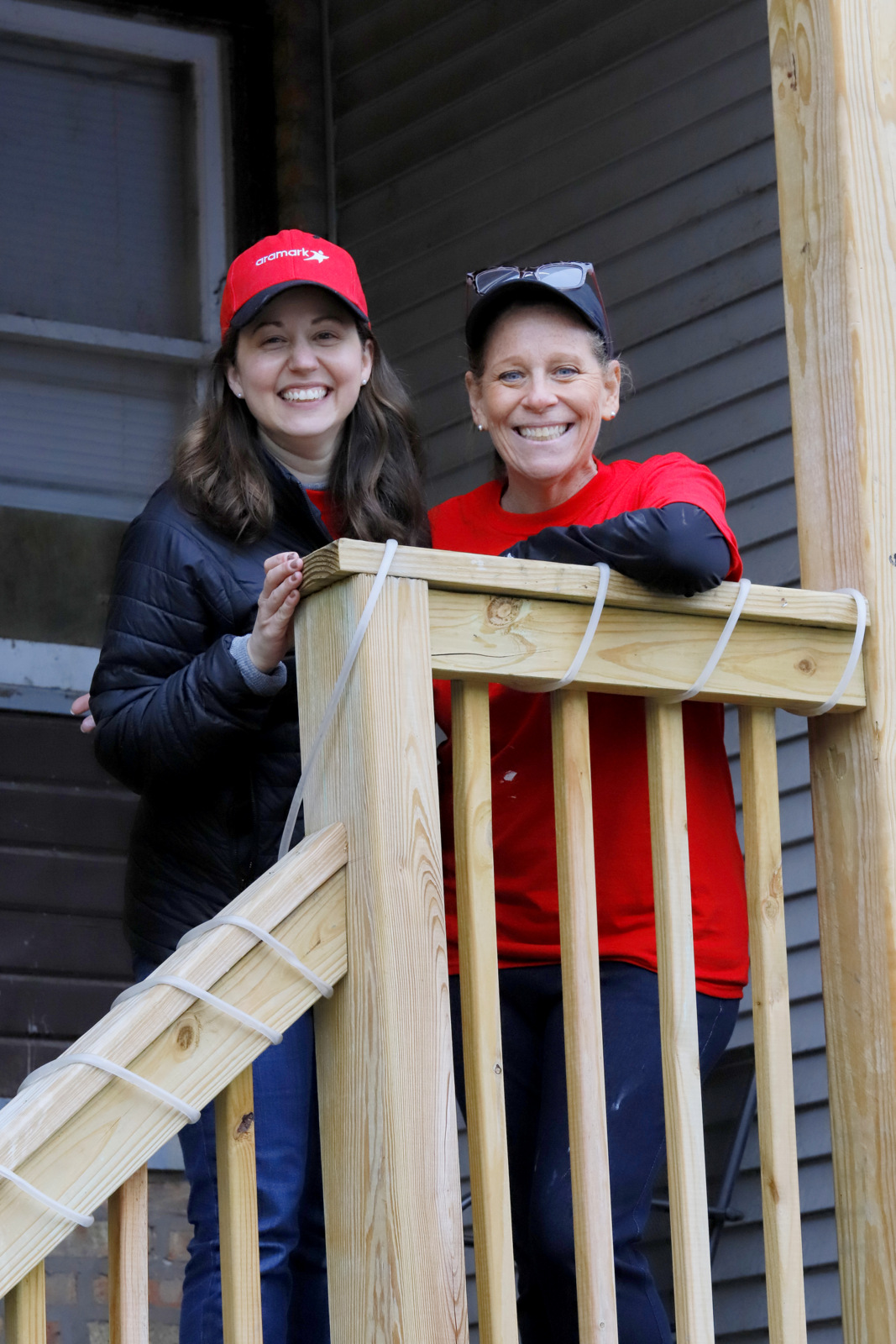
Social Current is grateful for our 17-year partnership with Aramark. Rooted in service and united by purpose, Aramark strives to do great things for its employees, partners, communities, and planet. Their global volunteer program, Aramark Building Community, engages the talents and passions of employees to provide skill development for careers in hospitality, increase access to healthy food, and support sustainable environments. The program builds stronger communities, creates employee volunteer opportunities, and encourages employees to give back to their local communities.
Social Current network organization Southeast Community Services in Indianapolis has benefited from volunteers’ contributions. Aramark employees provide gifts, toys, clothes, and soup kits for the holidays. In addition, volunteers returned April 10 for ABC Day, Aramark’s Global Day of Service, to support 1,000 local children, their families, and outside/unhoused neighbors by assembling kits with snacks and hygiene items. They built new picnic tables, revitalized outdoor areas, and painted the community center’s common areas.
“We deeply appreciate the work of the Aramark employees in supporting our community. The snack packs they put together will be a significant help in feeding our neighbors, and their painting efforts are instrumental in creating a warm and welcoming space for all who come through our doors,” said Peggy Frame, executive director of Southeast Community Services.
Additionally, Chicago-based Social Current network organization Lawrence Hall expressed gratitude for the relationship with Aramark volunteers. Volunteer Coordinator Francesca Valenziano shared, “The entire Lawrence Hall team is incredibly grateful for this continued partnership with Aramark. The amount of volunteerism and projects they have initiated for our campuses, youth, and staff is astounding!”
In December, volunteers coordinated a holiday party, meal, and visit from Santa for Lawrence Hall’s youth and staff in residential care. In addition, Aramark volunteers are participating in a beautification and renovation project at one of Lawrence Hall’s Transitional Living program sites, ensuring the youth and staff have a nurturing and comfortable environment to spend their time.
Bank of America
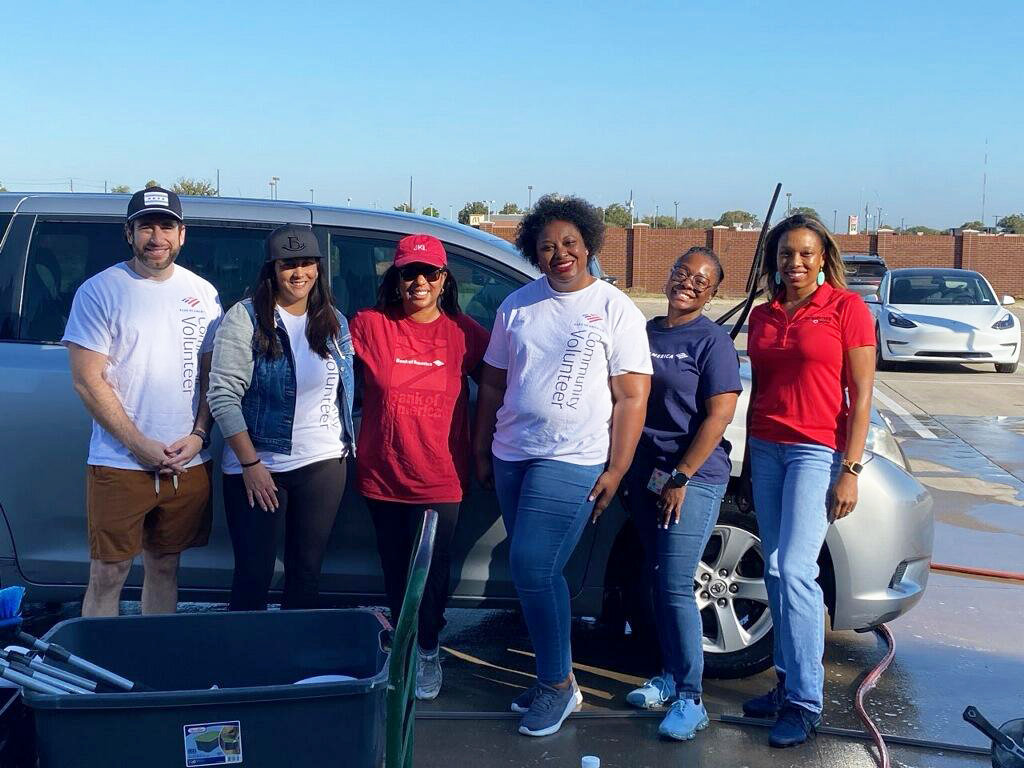
Social Current is in its fifth year of partnering with Bank of America’s Parents and Caregivers Network (PCN). We’ve connected local chapters to Social Current network organizations for engagement opportunities.
Bank of America’s PCN in Fort Worth, Texas, volunteered its time at Social Current network organization ACH Child and Family Services, also in Fort Worth. The volunteers cleaned roughly a dozen vans used to transport homeless, abandoned, runaway and trafficked youth.
“Our kids have been through a lot and being driven in a clean van shows people care,” says Megan Ball, volunteer services manager for ACH. “We so appreciate our Bank of America volunteers who worked hard to teach young people that if you want to be your best, you have to look your best.”
Additionally, the New York PCN donated over 3000 pairs of socks to Villa of Hope in Rochester, New York, and the PCN in Dallas volunteered its time at Social Current network organization Jewish Family Services of Greater Dallas, distributing food to members of the community facing food insecurity. By sorting donations, restocking shelves, and shopping with clients, Bank of America volunteers helped JFS community members maintain a level of dignity and respect, while getting the food they need.
CSC ServiceWorks
Since 2021, Social Current has partnered with CSC ServiceWorks, the leading provider of laundry solutions and air vending services throughout the U.S., Canada, and Europe.
CSC CommunityWorks’ Signature Services program works with community organizations to provide reliable access to clean laundry and basic supports. They believe access to clean laundry is essential to helping people be successful in school and work as well as to maintain healthy lifestyles. CSC teams support their local community-based organizations by providing washer, dryer, air, and vacuum equipment; ongoing service for these machines; and volunteer support. By donating washers, dryers, and ongoing equipment maintenance, CSC helps strengthen the capacity of Social Current partners that are providing essential services.
Since the inception of the partnership, nearly 200 commercial laundry equipment units have been installed across the Social Current network, with more installations to come in 2025, thanks to the time and energy of CSC ServiceWorks volunteers.
Social Current celebrates and thanks all of its corporate volunteers for working in partnership with our network of organizations to create positive impact.
To learn more about Social Current’s corporate partnerships, contact us.
Social Current’s Knowledge and Insights Center recently released an overview of assessing and managing risk for community-based human and social services organizations. Unexpected events, such as disasters, economic downturns, or sudden shifts in public policy, can often cause greater harm to these organizations because they often operate with limited resources, rely heavily on volunteers, and are sustained through government and philanthropic funding.
It is imperative that organizations are proactive and conduct regular risk assessment and mitigation planning to identify financial and operational vulnerabilities and develop plans that can be implemented quickly if adverse situations occur.
Effective risk management is also pivotal to maintaining stability and growth in uncertain times. It encompasses a systematic approach to identifying potential threats and opportunities, evaluating their likelihood and impact, and implementing strategies to moderate adverse effects while maximizing positive outcomes. This spotlight covers:
- Assessment and mitigation
- Financial contingency planning
- Disaster planning
- Tools and assessments
- Discussion questions for your board and leadership team
- Resources for further reading
Download the spotlight on assessing and managing risk online.
Social Current’s Knowledge and Insights Center provides human and social services organizations with the research and information they need to stay current and make informed decisions. In addition to a clearinghouse library, it offers resource collections on key topics, access to specialized databases, and research support from skilled librarians. To gain access, organizations can become a Social Current Impact Partner or purchase access. Contact us to learn more.
Additional Risk Management Resources
- Nonprofit Risk Management Center. Social Current network organizations, including COA accredited organizations and Impact Partners, receive complimentary membership to the Nonprofit Risk Management Center. This includes unlimited risk management support via phone or email, live and on-demand webinars, and discounts on many other templates and tools.
- Marsh McLennan Agency. Social Current Strategic Industry Partner Marsh McLennan Agency offers a dedicated, in-house risk management team that works with clients to uncover root-cause behaviors. With best practices and regulatory awareness at top of mind, they strengthen your organization’s safety and risk control measures.
The nonprofit sector is a vital component of both our economy and society, tackling many of our most urgent challenges. It contributes over 5% to the U.S. gross domestic product (GDP) and employs nearly 10% of the private workforce. This sector not only serves as a significant job creator but also addresses pressing social issues, ensuring that communities thrive. Despite its critical contributions, the nonprofit sector often lacks the recognition and resources necessary to drive systemic change. To illuminate this reality, Social Current, in collaboration with the social impact team behind the film Uncharitable is embarking on a transformative journey to reshape our sector, our vital work, and the narrative surrounding both.
The Power of a New Narrative
Utilizing the powerful narrative of the film Uncharitable, Social Current has launched a new social impact campaign to dismantle the structural barriers that hinder the effectiveness of nonprofits. By positioning itself as a catalyst, convener, and activator, Social Current is fostering a collaborative effort to instigate systemic shifts within the social sector. Central to this initiative is a commitment to amplifying the voices of communities most affected by social challenges. This community-centered approach emphasizes the importance of engaging diverse groups, listening to their needs, and co-creating solutions that reflect their lived experiences.
Key Components
Funding Changes
Traditional funding models often restrict nonprofit’s ability to fund the true cost of program delivery because of the limitations placed on types of expenditures by funders of all kinds. Social Current’s social impact initiative advocates for flexible, long-term funding that allows organizations to innovate and adapt to community needs. For instance, transitioning from one-year project grants to multiyear, unrestricted funding can empower nonprofits to respond effectively to evolving challenges.
Employee Compensation
Nonprofit employees frequently face wage disparities compared to their counterparts in the private sector. Social Current wants to promote compensation practices that recognize the value of the work being done in communities and attract top talent to the sector.
Measuring Impact
Traditional metrics for success often focus on outputs rather than outcomes. Our social impact campaign seeks a more holistic approach to measuring impact, such as evaluating the long-term health outcomes of program participants, rather than just the number of services provided.
Why Now?
The urgency for nonprofit organizations to change the narrative about their work has never been more critical. Here’s why this moment is critical:
Heightened Awareness of Social Issues
Recent events have spotlighted pressing social challenges. As people become more aware of issues like poverty, health care access, and inequality, nonprofits must redefine their continued and important contributions to these conversations and many others.
Increased Demand for Services
Communities are facing a surge in demand for nonprofit services as they cope with ongoing challenges. Now is the time for nonprofits to highlight their importance in addressing these urgent needs and press for improvements.
Shifting Funding Landscapes
With donors and institutional funders increasingly seeking organizations that demonstrate clear impact, nonprofits must change their narrative to focus on measurable outcomes and community engagement to attract funding rather than simply counting.
The Need for Sustainable Practices
As social issues have grown more complex, nonprofits have shifted their focus from short-term fixes to long-term solutions, demonstrating their commitment to sustainable change. These practices are more effective but require a bigger commitment of resources to achieve success.
Empowering Community Voices
Now is an ideal time to amplify the voices of those most affected by social challenges, ensuring that their experiences shape the narrative and solutions. By seizing this moment to change the narrative, nonprofits can enhance their visibility, support, and effectiveness in creating lasting change in their communities.
Conclusion
Social Current’s new social impact campaign represents a pivotal shift in the social sector. By prioritizing community voices, advocating for equitable funding, fair compensation, and meaningful measures of impact, we can dismantle the barriers that have historically constrained nonprofits. Through collaboration, innovation, and a commitment to shared learning, Social Current and our partners are poised to redefine the social sector’s role in fostering community well-being. Together, we can cultivate a future where nonprofits are not only recognized for their contributions but are also empowered to lead the charge in solving the complex social problems that affect us all.
Learn more about the Social Current’s social impact campaign online.
We are accepting applications for the initiative’s pilot communities. The deadline to apply is March 31.
Social Current has partnered with the Center for Creative Leadership (CCL) to offer new trainings on a variety of leadership development topics.
The on-demand trainings will address:
- Innovation leadership
- Avoiding burnout and building resilience
- Managing virtual and hybrid teams
CCL is a premier leadership development organization that creates courses for leaders at all levels, as well as assessments and leadership development tools.
CCL helps to expand human potential by developing the mindsets, capacity, and capabilities needed to excel in an ever-changing world. With an emphasis on the power of people, backed by research, and fueled by a focus on innovation, CCL is trusted globally to deliver transformational leadership solutions that cultivate positive change.
Social Current has chosen to partner with CCL because of its:
- Leadership Experts: As pioneers of the industry, it is seen as the gold standard when it comes to leadership development.
- Research Foundations: All offerings are based on 50+ years of research.
- Pioneering, Hands-On Development: Its unique, transformational learning experiences meet people where they are.
- Purpose-Driven: It is a mission-based organization, with a belief in the powerful potential of leadership to benefit society.
- Trusted Providers: Leadership is CCL’s sole focus.
“Social Current is excited to partner with the Center for Creative Leadership to bring high-quality leadership training opportunities to our network and the sector,” says Robena Spangler, senior director of leadership development and organizational development. “Our organizations are aligned in our mission and vision to address pressing organizational challenges in support of innovative solutions for public and private sector leaders.”
Over its 50-year history, CCL has more than 1 million alumni from 160 countries and has worked with two-thirds of Fortune 1,000 companies.
Learn more about CCL and Social Current’s Leadership and Organizational Development Impact Area.