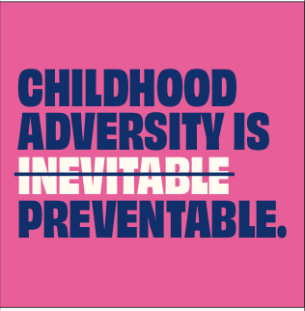
April is Child Abuse Prevention Month. In recognition, resources to support organizations in communicating about childhood adversity are now available at: BuildingBetterChildhoods.org.
These easy-to-use tools were developed through a partnership between Social Current and Prevent Child Abuse America and grounded in recent research from the FrameWorks Institute.
They are intended to support practitioners and professionals at human services organizations in describing how childhood adversity is a public, preventable, and solvable issue. The Building Better Childhoods website provides important guidance on how to talk about child abuse prevention in a way that resonates with a broad range of audiences. The tools can be used when communicating with media, funders, policymakers, and the general public.

The toolkit includes:
- Top line recommendations and talking points
- Social media posts, infographics, and posters
- Long form and short form videos
- Contemporary examples of well-framed articles
- The latest research into family support resources
- Media tips and templates
This Child Abuse Prevention Month and beyond—we hope you will join us in this movement to effectively frame childhood adversity and communicate about the benefits of prevention and upstream resources.
Visit BuildingBetterChildhoods.org to download the toolkit.
About the Reframing Research
Building Better Childhoods is based on recent research from the FrameWorks Institute, which was shared in the 2021 framing brief Reframing Childhood Adversity: Promoting Upstream Approaches.
The communications guidance is designed to be highly accessible and actionable. In addition, it takes recent science and current communications contexts into account, speaks to racial and social justice, and aligns with efforts to reimagine child welfare systems into child well-being systems.
Download the reframing brief online and view our on-demand webinar for a guided tour of the recommendations.
By Verleaner Lane and Daniel P. Riggins of Cook County Health
The nation’s child welfare systems have long been structured in a way that responds to incidents of child abuse and neglect after harm has occurred. There is a new movement in child welfare to change this and devote more resources to using data to identify those children most at risk. Based on what the data shows, front end resources and services can then be brought to bear in support of families before abuse or neglect occurs.
A good example of this can be found in the Child Safety Forward initiative. Funded through a grant from the U.S. Department of Justice, Child Safety Forward is a demonstration initiative to develop multidisciplinary strategies and a public health response to address fatalities or near-death injuries as a result of child abuse, neglect, or unsafe practices. The initiative takes place across five sites, including Cook County Health in Illinois.
Cook County Health established Project CHILD in 2019 to better understand and address infant-specific deaths due to maltreatment.
Our strategy includes bringing together a diverse group of community stakeholders that work with most affected families in a variety of different settings, including healthcare and mental health providers, community health workers, maternal infant health providers, faith leaders, educators and social service providers. Our work has been focused in three Illinois counties: Cook, Peoria, and Vermilion, with a goal of identifying the highest-risk geographic areas and targeting resources at these communities.
We began our efforts by using a data collection process that had been established earlier by Cook County Health in partnership with the Cook County Medical Examiner. The process automates data exchange between these two Cook County agencies allowing for the linkage of clinical data to mortality events among specific populations as determined by the medical examiner. Data sharing across these agencies is automated to identify risk factors for mortality among individuals experiencing homelessness, those impacted by the opioid epidemic, those with justice involvement, and the intersection of these experiences.
For Cook County, we reviewed approximately 300 sudden unexpected infant deaths over the past five years likely related to unsafe sleep conditions. We identified specific neighborhoods that had a higher rate of sudden unexpected infant death.
Based on these findings, we are now able to appropriately target resources and educational interventions to protect families from these catastrophic events. We are currently working with pediatricians and community organizations to develop safe sleep messaging and interventions targeted to these high-risk neighborhoods.
Child Safety Forward is an example of what can be accomplished through a data-informed, place-based approach that facilitates community engagement and targets interventions to families that need them the most. It reflects a growing trend in child welfare to shift from a reactive to a proactive approach and to highlight the importance of data sharing and collaboration when addressing complex problems like child safety.
By working across agencies and directing resources upstream, we can continue to support a shift from child welfare systems to child wellbeing systems that better serve all families.
_________________
A version of this oped was previously published in The Daily Herald on March 31, 2022.
Verleaner Lane is the project director for Project CHILD of Cook County Health. Daniel P. Riggins, MD is with Cook County Health. This commentary is provided in memoriam of Dr. Majorie Fujara, former pediatrician at Cook County Health, who served as the principal investigator for Project CHILD and a tireless advocate for the welfare of children.
Disclaimer: This product was supported by cooperative agreement number 2019-V3-GX-K005 Reducing Child Fatalities and Recurring Injuries Caused by Crime Victimization, awarded by the Office for Victims of Crime, Office of Justice Programs, U.S. Department of Justice. The opinions, findings, and conclusions or recommendations expressed in this product are those of the contributors and do not necessarily represent the official position or policies of the U.S. Department of Justice.
Last Monday, President Biden released his administration’s $5.8 trillion budget request for fiscal year 2023. Though Congress traditionally takes the lead in crafting the federal budget and will inevitably alter many aspects of the president’s proposal, the request paints a picture of the administration’s priorities heading into the budgetary process. The president included budget details for his “Unity Agenda” announced at the State of the Union in February, which aims to tackle the opioid crisis, bolster the mental health system, and fund research for his Cancer Moonshot program. However, the administration declined to outline the costs of elements from the president’s signature Build Back Better bill, possibly to give leeway to Congress, especially holdouts like Sens. Joe Manchin (D-W.V.) and Kyrsten Sinema (D-Ariz.), to negotiate details on provisions like universal pre-K, the Child Tax Credit, and climate funding.
Major highlights from the budget request include:
- $33.3 billion for the Administration for Children and Families
- $12 billion for Head Start
- $7.5 billion for the Child Care and Development Block Grant
- $257 million for the Child Abuse Prevention and Treatment Act
- $10.7 billion for the Substance Use And Mental Health Services Administration
- $1.6 billion for the Community Mental Health Services Block Grant
- $553 million for Certified Community Behavioral Health Clinics
- $88.3 billion for the Department of Education
- $3.3 billion increase to IDEA Grants to states, the largest two-year increase ever
- $438 million for Full Service Community Schools
- $2,175 increase to Pell Grants
- $28.5 billion for the Department of Agriculture
- $111.2 billion in mandatory funding for the Supplemental Nutrition Assistance Program
- $6.7 billion for Food and Nutrition Service, largely for the Special Supplemental Nutrition Program for Women, Infants, and Children program (WIC)
The administration included new pay fors, including a 20% minimum tax on unrealized capital gains for households worth more than $100 million, as well as a boost to the corporate tax rate from 21% to 28% and a new top income tax rate of 39.6% on high-income earners. These new tax increases would help fund $1 trillion in deficit reduction over 10 years, a new priority that would help woo more moderate voters. Social Current will continue to advocate for our sector’s policy priorities and keep you up to date on developments as the budget for FY 2023 comes together.
Social Current in the News
Last week, the Chronicle of Philanthropy featured an article by Social Current President and CEO Jody Levison-Johnson and Senior Director of Government Relations Ilana Levinson about staff shortages and workforce challenges facing the social sector. You can read the full article online.
Republican Senators Introduce Child Care Bill
Sens. Chuck Grassley (R-Iowa), Tim Scott (R-S.C.), and Richard Burr (R-N.C.) introduced legislation to reauthorize the Child Care and Development Block Grant (CCDBG ) until FY2025. CCDBG aims to fund child care subsidies for low-income families with children under the age of 13, though prior to the pandemic, only 20% of eligible children participated in the program. The proposed legislation would expand eligibility to families earning 150% of the State Median Income (SMI), from 85%. Moreover, families making less than 75% SMI would pay a $0 copay, and no eligible family would pay more than 7% of their income in copays. President Biden’s child care plan, which lost traction along with the Build Back Better bill at the end of last year, also requires no copays for families earning less than 75% SMI, but requires no more than 7% of income in copays for families up to 250% SMI.
New Report on Impact of the American Rescue Plan
The Treasury Department released a report on the impact of the American Rescue Plan (ARP) one year after passage. The $1.9 trillion bill invested in COVID-19 vaccines and testing, state and local governments, economic supports for children and families, and housing and small business assistance, among other things. The report states that the ARP made significant progress is addressing child poverty, food insecurity, and unemployment in low-income communities and doubled GDP growth. The expanded child tax credit, for example, benefitted 36 million families with more than 61 million children, and over $400 billion in Economic Impact Payments, or stimulus checks, were distributed. The state and local dollars provided 740,000 essential workers with premium pay and funded 1,460 projects to increase affordable housing, improve education, and address public health issues across the country. Finally, the Emergency Rental Assistance programs provided over 5 million rent, mortgage, and utility assistance payments as of January 2022.
New Ratings from the Prevention Services Clearinghouse
The IV-E Prevention Services Clearinghouse announced ratings for 15 new programs. Two were found to be “well-supported,” one was found to be “supported,” three were found to be “promising,” and the remainder “does not currently meet criteria.” See the ratings and links to each program below:
GenerationPMTO – Individual – Promising
GenerationPMTO – Group – Well-supported
Strengthening Families Program – Birth to Three – Does not currently meet criteria
Strengthening Families Program – 3-5 – Does not currently meet criteria
Strengthening Families Program – 6-11 – Does not currently meet criteria
Strengthening Families Program – 12-16 – Does not currently meet criteria
Strengthening Families Program: For Parents and Youth 10-14 – Supported
Familias Fuertes – Does not currently meet criteria
Families and Schools Together® – Early Childhood Education Level – Does not currently meet criteria
Families and Schools Together® – Elementary School Level – Promising
Families and Schools Together® – Middle School Level – Does not currently meet criteria
Families and Schools Together® – High School Level – Does not currently meet criteria
Community Reinforcement Approach + Vouchers – Promising
Mindfulness–Based Cognitive Therapy – Well-supported
Mindfulness-Based Cognitive Therapy for Anxious Children – Does not currently meet criteria
The time is now to SPARK bold and brave conversations—and it begins with you.
Social Current is seeking workshop presentations for its SPARK 2022 conference, to be held Sept. 13-14 in Baltimore. This event will activate our collective power to spark and elevate bold thinking and new conversations around some of our sector’s most vexing challenges. We will provide participants with an innovative forum to learn, refuel, connect, exchange ideas, and be inspired.
The deadline to submit presentations is April 13.
Social Current’s mission is to advocate for and implement equitable solutions through collaboration, innovation, policy, and practice excellence. This conference will convene and unite our diverse community from across our network and sector to share their expertise and drive toward an equitable society where all people can thrive.
We welcome all presentations that will engage, challenge, educate, and inspire participants to act. While emphasis will be placed on the core areas below, we welcome submissions that address other current issues affecting and important to our sector. Social Current will not accept proposal submissions intended to market or sell a product, consultant, or program.
Core Areas of Focus
Brain Science
Sessions should discuss advancing the integration and alignment of brain science and trauma-informed knowledge, skills, and strategies into organizational and systemic practices and policies. Consider how the application of brain science can be used to prevent and mitigate toxic stress and build child, family, and community health and well-being.
Equity, Diversity, and Inclusion
Sessions should address how organizations can create a more just, fair, and inclusive organizational culture and society through policies and practices, organizational leadership, and programs and services. Consider inequities experienced in health, education, systems involvement, the workplace, and more based on race, sexual orientation, age, gender, and ability.
Organizational and Service Delivery Innovations
Sessions should discuss innovative programs and solutions that contribute to organizational excellence and/or help all individuals and communities thrive. Consider examples of cross-sector collaboration, practices that advance financial sustainability, programs that support integrated care or address the social determinants of health, and more.
Workforce Resilience and Leadership
Sessions should address how to recruit, retain, and support a workforce so that it can stay healthy and well amid ongoing change and uncertainty. Consider approaches that promote brain-science awareness, equity, and hiring from the community; build positive organizational culture; support healthy workplace relationships; and mitigate the effects of vicarious trauma, moral injury, and other workforce concerns.
Submission Requirements
Address all the following submission requirements in your presentation proposal. SPARK workshop sessions will be 90 minutes.
All workshop proposals must be submitted by April 13 through our online submission form.
- Contact Information: Include full contact information including name, title, organization, address, phone, and email address for the lead presenter (or main contact person) and any co-presenters. If presenters or their organizations use Twitter, list their usernames for increased connection with participants and event promotions.
- Biography: Include a current biography for each presenter that is no longer than 200 words.
- Presentation Title: Include a brief, descriptive title for your presentation.
- Description: Describe your presentation in 350 words or less. Explain how your topic is practical and relevant for the attendees of this event. Use compelling language that will not only clarify what attendees can expect but will also encourage them to attend.
- Learning Objectives: List two to three key main points attendees will learn from your presentation.
- Area of Focus: Select the requested topic that best matches your proposal.
- Brain Science
- Equity, Diversity, and Inclusion
- Organizational and Service Delivery Innovations
- Workforce Resilience and Leadership
- Other
- Content Level: Indicate whether your content level is “Learner” or “Doer.” “Learner” sessions are for those who have limited experience with the subject matter and seek to be introduced to the topic. “Doer” presentations are for audiences with prior experience in the subject area who are looking to advance their skill and mastery.
- Audience Type: Select all audience types who this workshop will benefit the most.
- Board member
- Chief executive
- Executive level staff (i.e., vice presidents, chiefs, etc.)
- Director level staff (i.e., program director, etc.)
- Management/supervisor level staff
- Professional/clinical services staff
- Related Content: Share links to any articles, reports, videos, etc. that have been published about the presenter or organization and the presentation topic.
- Prior Presentations: If this workshop has been presented before, list the conference(s) and date(s).
The 2022 edition of updates to the standards for COA Accreditation, a service of Social Current, have recently been released. These targeted enhancements to the standards are the result of our annual process and include changes based on ongoing collection and analysis of feedback received from our network, collaboration with diverse groups of subject matter experts, and a review of research and professional literature on identified trends and evolving practices.
Our collaborative update process is designed to ensure the standards remain up-to-date and field-informed, promoting improved outcomes for individuals, families, and communities.
Who’s Affected
These changes impact private, public, and Canadian accredited organizations. The 2022 edition of updates will not impact organizations that are currently pursuing accreditation or re-accreditation and have already been assigned standards in the MyCOA portal.
When It’s Happening
Standards will officially be released on the Social Current website on March 30.
Standards assignments for COA Accreditation begin April 4.
What’s Changing in Our Standards
New Standards for Office-Based Opioid Treatment (DTX)
We have revised our standards for Day Treatment Services (DTX) to accommodate providers offering medication-assisted treatment under the Drug Addiction Treatment Act of 2000. The American Society of Addiction Medicine identifies ongoing maintenance medication with appropriate psychosocial treatment as the gold standard of care for opioid use disorder. Within the context of the opioid epidemic, this work supports improved access to quality programs offering this evidence-based treatment. The 2022 updates to DTX include:
- Two new personnel standards for programs providing office-based opioid treatment
- New personnel standards for peer support providers working in DTX programs
- Expanded training requirements for clinical personnel providing treatment for alcohol and drug use disorders
- A new Core Concept Standard, DTX 9: Office-Based Opioid Treatment
- Interpretations and Examples throughout DTX to support standard implementation within the context of office-based opioid treatment programs
Additional Revisions
In response to feedback from our network, we are also releasing many minor revisions throughout the COA Accreditation standards to provide clarity and/or remain current with trends in the field. Some of the highlights include:
- Clarifying the applicability of various standards through updated NAs (Not Applicable) and Notes
- Updating the glossary with new and updated definitions, including a new definition for therapeutic interventions
- Updated standards on several key practices including maintaining Naloxone on site (ASE 6.03) and the annual Board review of overall risk (GOV 5.05)
A full list of standards impacted by the 2022 updates can be found online.
Our Process
The 2022 COA Accreditation standards updates reflect changes made based on evolving practices, ongoing review of relevant literature, and the continuous feedback we receive from our network, including volunteer reviewers and accredited organizations. More specifically, updating the 2022 Standards involved:
- Collection, in-depth review, and synthesis of prominent published research and professional literature in targeted areas
- Review of standards drafts and discussion of trends in the field with Standards Advisory Panels comprised of subject matter experts, agency leaders, and service providers
- Collection and review of feedback solicited from Social Current’s network, including through the “Provide Feedback” button found in the MyCOA and VIP portals
- Sharing drafts online for a period of field comment to solicit feedback from Social Current’s network and the broader social service sector
Questions?
If you are an in-process or accredited organization, reach out to your accreditation coordinator.
If you are seeking accreditation for the first time, contact Joe Perrow.
For additional information about COA Accreditation standards, contact Melissa Dury.
Last week, Congress voted to pass the fiscal year 2022 omnibus budget bill after months of delays. This bipartisan bill represents significant investments in many priority areas for the Social Current network, including advancing trauma-informed care, investing in early childhood education, developing whole-child approaches through partnerships with K-12 education, increasing funds for rental assistance and public housing to address the housing crisis, bolstering maternal health equity through new interventions, supporting the behavioral health workforce crisis with new investments, and more. The package also includes supplemental funding of over $13 billion for Ukraine relief.
In addition, this legislative package included the passage of the Violence Against Women Reauthorization Act. This legislation takes steps to strengthen services, invest in prevention efforts, and expand access to survivors in rural areas and those requiring culturally specific services. Download our full summary for human and social service organizations.
Social Current Comments on Impact of the Economy
Last week, The Chronicle of Philanthropy quoted Social Current President and CEO Jody Levison-Johnson in an article about how the economy continues to impact our sector. You can read the full article, “Economic Data Shocks Charity Officials Just as they were Hoping for a Post-Pandemic Boom,” online.
Universal Charitable Deduction Hearing in the Senate
On Thursday, the Senate Finance Committee, chaired by Ron Wyden (D-Ore.) and Mike Crapo (R-Idaho), hosted a hearing on the Universal Charitable Deduction (UCD), featuring speakers from the nonprofits, academic institutions, and think tanks. The first-ever UCD was implemented in the CARES Act in 2020, but it expired at the end of last year. It allowed all taxpayers, whether they took the standard deduction or not, to claim a deduction of up to $300 for charitable contributions. During his remarks, Dan Cardinali, CEO of Independent Sector, emphasized the importance of the charitable sector as the third largest employer in the country. He asked members of the committee to not only extend the UCD, but also raise the cap of the deduction. Susannah Morgan of the Oregon Food Bank shared her on-the-ground experiences running a food bank during the height of the pandemic, and stressed that government programs, such as SNAP and the expanded Child Tax Credit, are also central to helping families in need. Another highlight was Dr. Una Osili from the Lilly Family School of Philanthropy at Indiana University, who noted that over the last two decades, giving has increasingly become dominated by higher income households and argued that the UCD would make giving more accessible to the rest of the population. The Universal Charitable Deduction remains a major advocacy priority for Social Current.
Public Charge Updates
The Department of Homeland Security (DHS) published a new rule that would change how some immigrants are considered for citizenship and green cards. Under the Trump administration, a rule was passed that expanded the ability of the department to consider whether an applicant who wished to change their status would become a “public charge,” meaning likely to depend on the government for assistance. Supplemental Nutrition Assistance Program (SNAP), Medicaid, Section 8 Housing, public housing, and other government benefits programs were added to the list of programs that could be used to assess applicants. Under the proposed rule from DHS, these programs would be explicitly removed from consideration when making a public charge determination. The rule would also forbid relatives’ participation in government programs from being considered when determining likelihood of an applicant becoming a public charge. The rule will now go through a public comment period until April 25.
House Hearing on Maternal, Infant, and Early Childhood Home Visiting Program (MIECHV)
Last week the House Ways and Means Committee’s Subcommittee on Worker and Family Supports led a hearing on improving family outcomes through home visiting program. The Maternal, Infant, and Early Childhood Home Visiting (MIECHV) program helps at risk-women and families by connecting them with supports through home visiting. Chairman Danny Davis (D-Ill.) and Ranking Member Jackie Walorski (R-Ind.) co-led the hearing. Witnesses included Steven Pascal, director of home visiting at the Children’s Trust in Boston; Myia Smith, Healthy Families America family support specialist at Henry Booth House in Chicago; Erica Beck, Healthy Families American program participant at Henry Booth House in Chicago; Angella Dancer, senior director of home visitation services at the Choctaw Nation of Oklahoma; and Debie Coble, president and CEO of Goodwill Industries of Michiana in South Bend, Indiana. These witnesses, several of whom shared their lived experience, made a strong case for the importance and effectiveness of MIECHV. Since its enactment in 2009, MIECHV has played a vital role in strengthening local and state efforts. Seven home visiting models met the gold standard of evidence that the law required at that time, and today 12 more research-tested models appear on that list. The committee is looking to reauthorize the program. Some of the goals of Reps. Davis and Walorski include expanding access to home visiting to more families, helping to retain the home visiting workforce, continuing to tailor home visiting to the needs of specific communities, and maintaining a high standard of evidence.
In early March 2022, Congress voted to pass the fiscal year 2022 omnibus budget bill after months of delays. This bipartisan bill represents significant investments in many priority areas for the Social Current network including advancing trauma-informed care, investing in early childhood education, developing whole-child approaches through partnerships with K-12 education, increasing funds for rental assistance and public housing to address the housing crisis, bolstering maternal health equity through new interventions, supporting the behavioral health workforce crisis with new investments, and more. The package also including supplemental funding of over $13 billion for Ukraine relief.
In addition, this legislative package included the passage of the Violence Against Women Reauthorization Act. This legislation takes steps to strengthen services, invest in prevention efforts, and expand access to survivors in rural areas and those requiring cultural-specific services.
Download our full summary for human and social service organizations. It includes highlights from:
- Department of Agriculture
- Department of Education
- Department of Health and Human Services
- Administration for Children and Families
- Department of Housing and Urban Development
- Department of Justice
- Department of Labor
At the beginning of March, President Joe Biden offered his first official State of the Union address, in the midst of the violent crisis in Ukraine, the COVID-19 pandemic, rising inflation, and other challenges. While the speech began with a focus on foreign policy and the war in Ukraine, it quickly moved to domestic policy. While President Biden’s Build Back Better plan seems doomed after it failed to get the votes necessary to pass in the Senate, he attempted to revive a new version of his agenda called “Building a Better America.” Since the speech, Sen. Joe Manchin (D-W.V.) said he is concerned about inflation and has hinted about raising taxes on the rich and corporations to bring down deficits. Biden talked about individual elements of Build Back Better as cost-saving measures for families worried about rising prices, which represented a change in messaging.
While it is unclear what will happen with the Build Back Better agenda, Biden announced a new framework, his “Unity Agenda,” which is focused on four areas of potential bipartisan compromise and support:
- Addressing the opioid crisis
- Solving the mental health crisis
- Supporting veterans
- Curing cancer
Of interest to the social sector, his proposal for a new mental health bill includes a focus on strengthening system capacity, improving access, addressing parity, improving youth mental health, strengthening children’s privacy and banning targeted advertising for children, and instituting stronger online protections for young people. His proposal is clearly laid out in a new fact sheet. Many of his ideas align with the priorities and expertise of community based organizations, including investing in programs that bring more providers into behavioral health, promoting the mental well-being of the front-line workforce, expanding evidence-based community mental health services, expanding telehealth for mental health care, expanding access to supports in schools, co-locating mental health and substance use providers in community-based settings, and increasing behavioral health navigation resources.
As reported by Social Current last month, the Senate is beginning work on a bipartisan mental health bill, and Social Current will continue to identify opportunities for advocacy in this process.
Federal Budget Negotiations Gaining Steam Before Deadline
Lawmakers are rushing to pass the budget for FY 2022 before a self-imposed deadline of March 11. The 12-bill omnibus package, which must be passed every year to fund the entire federal government, is finally in the last stages of negotiations after months of delays. Appropriators would also like to add two supplemental packages on Ukraine aid and COVID-19 relief. However, the Ukraine aid, which could amount to up to $10 billion, seems to be a sticking point. On Wednesday, Senate Minority Leader Mitch McConnell (R-Ky.) said that Democrats were trying to fit in the Ukraine aid by shrinking the defense budget in the omnibus bill, something Republicans oppose. However, Sen. Chris Coons (D-Del.) insisted that the Ukraine aid would be on top of the already negotiated defense bill. In the House of Representatives, Chair of the Appropriations Committee Rosa DeLauro (D-Conn.) said that everyone is “negotiating in good faith” and that she hopes to reach an agreement in the next few days. If Congress does not reach a deal before March 11, they are likely to pass another short term extension for a week or two, to buy more time to complete negotiations.
Source: Bloomberg Government
ACF Releases Anticipated Guidance on Advancing Equity
From the National Child Abuse Coalition:
On Feb. 2, the Administration for Children and Families (ACF) released a new Information Memorandum (IM) focused on advancing race equity. Titled “Equity in Action: Prioritizing and Advancing Racial Equity and Support for Underserved Communities,” the IM calls for ACF grantees to assess and address how its programs and policies perpetuate systemic barriers for children and families of color. It also includes three attachments which include key equity definitions, references from the IM, and selected resources for supporting race equity.
Among other things, it details the history of racism in America and its impact on children and families, and it calls out racism as a social determinant of health, calls for comprehensive action to address structural racism in policy, and highlights promising practices that jurisdictions have implemented to address racial equity. It concludes with four key recommendations for the field in advancing equity for children and families:
- Review policies and commit to revising them in partnership with a diverse group of people the policies are meant to serve.
- Create and promote a statewide policy to meet the needs of children and families of diverse racial and ethnic backgrounds.
- Identify contract and procurement opportunities that are barriers to full equitable participation. At a minimum, ensure these opportunities are promoted and communicated to providers of goods and services owned or operated by members of diverse racial and ethnic backgrounds.
- Establish a diverse and culturally competent workforce that acknowledges the importance of culture, has the capacity for cultural self-assessment, recognizes the dynamics resulting from cultural differences, strives for expansion of cultural knowledge, and adapts services to meet culturally unique needs.
This IM is the latest action by the Biden Administration to advance racial equity within ACF. Last year, the agency launched an internal equity advisory group and an agency-wide council on diversity. They have also solicited program-specific equity action plans, in response to the Biden Administration’s Jan. 20, 2021 Executive Order calling for all federal agencies to review their policies and procedures and make recommendations for how to advance equity. And they have taken steps to diversify their workforce, implement staff trainings, and create employee resource groups focused on equity. The Children’s Bureau also recently released a resource for child welfare agencies titled Advancing Equity and Inclusion Through the CFSRs.
New Report on Poverty Reduction Due to American Rescue Plan
The U.S. Department of Health and Human Services published a new report that details the impact of the American Rescue Plan (ARP) on poverty in 2021. The ARP, which passed in March last year, included large investments in state and local governments, stimulus checks, expanded unemployment benefits and the newly expanded Child Tax Credit (CTC). It aimed to give aid to those most impacted by the economic effects of the pandemic, particularly the unemployed and children.
The report found that the ARP kept 20.1 million people out of poverty, including 7.8 million children. Accounting for the aggregate impact of all the provisions in the ARP, the poverty rate decreased by 45% in 2021 from pre-pandemic levels. The child poverty rate was 8.3% in 2021, a decrease of 42% compared to 2019, due to the advanced payments of the CTC and federal and state stimulus efforts. For Black, Latino and American Indian/Alaska native people, the impacts were greater compared to the entire population. Even without accounting for the CTC, the annual poverty rate fell by 6.2 percentage points among American Indian/Alaska Native people, 5.3 percentage points among Black people, and 5.0 percentage points among Hispanic people.
Social Current, in partnership with the Hathaway Center for Excellence, is proud to offer the first in a series of APA and CAMFT continuing education eligible courses for practitioners working in and with the child welfare and therapeutic systems. The course is now available for on-demand registration and completion: Working with LGBTQ Youth and Young Adults.
This self-guided course is designed for front-line staff who are working with LGBTQ youth and young adults in community or residential settings. It focuses on how to:
- Intervene and reduce barriers to improve health outcomes
- Understand coming out experiences and the impact of rejecting and accepting behaviors
The course is eligible for 1 CE, as the Hathaway Center for Excellence is a continuing education vendor of the American Psychological Association (APA), or 1 CE, as the Hathaway Center for Excellence is a continuing education vendor of the California Association of Marriage and Family Therapists. Course participants receive their CE after completing all quizzes, post-tests, and evaluations associated with the course.
The cost is $75 per person. Organizations who are interested in sending five or more staff to this training should contact the Social Current Organizational Learning Team.
Enroll in this course online, or browse the Social Current learning catalog.
About the Hathaway Center for Excellence
The Hathaway Center for Excellence (HCFE) is the esteemed research and training program of Sycamores. HCFE enables Sycamores to collect and share evidence-based research discoveries to clinical professionals across the U.S. and beyond, ensuring findings help to inspire informed care to all consumers in the therapeutic field.
Contact HCFE with questions about the content of this course.
About the Social Current Learning Exchange
Organizations that have developed courses related to social sector topics can gain exposure and revenue by sharing them through the Social Current Learning Exchange.
Social Current can assist you in converting your training to an online, on-demand course and offer it publicly through our learning catalog. We also can assist in promoting your course to our national network of social sector professionals.
If your organization is interested in making learning available via the Social Current Learning Exchange, contact the Social Current Organizational Learning Team.
Every person, family, and community is more likely to achieve their full potential when they have a strong foundation that enables them to weather life’s challenges and thrive, no matter their current situation, socioeconomic status, or geographic location. These building blocks are essential for creating and sustaining the well-being of every family and community:
- Safe, stable, nurturing relationships and environments that prevent and mitigate the impact of trauma through quality care options across the lifespan
- Equal opportunity employment that provides a living wage, economic mobility, and comprehensive workforce supports
- Affordable, preventive, quality health care that provides parity for behavioral health and addresses the social determinants of health
- Affordable, livable homes in safe, vibrant neighborhoods that have accessible healthy food, transportation, child care, and other fundamental services
- Education that begins with nurturing and supportive families and continues with early childhood development through post-secondary advancement
Building the Essentials of Financial Well-Being
Because so many of these building blocks are tied to financial well-being and opportunity, Social Current has collaborated with the Washington University Brown School’s Center for Social Development (CSD) and its partners to publish new research in Social Current’s peer-reviewed journal, Families in Society: The Journal of Contemporary Social Services. In recognition of Black History Month, the issue is freely accessible without a subscription through February 2022.
The special issue, Building Financial Capability and Assets in America’s Families, was guest edited by Jin Huang, Margaret Sherraden, Jenny Jones, and Christine Callahan. Articles were developed from presentations made at a national conference hosted at CSD and the Financial Social Work Initiative at the University of Maryland School of Social Work.
“We began this project to develop a better understanding of how financial well-being has become elusive for families,” explained Margaret Sherraden, a research professor in the Brown School at Washington University and a faculty lead of CSD’s Financial Capability and Asset Building (FCAB) initiative.
Many families and communities, especially communities of color, face hurdles that they alone did not create or control that obstruct their ability to flourish. “Counteracting multigenerational disparities and trauma resulting from systemic racism and oppression requires intentional interventions aimed at addressing root causes. Otherwise, those conditions may be insurmountable and will impede social change and justice that can benefit all Americans,” according to Jody Levison-Johnson, president and CEO of Social Current.
Helping Families Overcome Barriers
For families in crisis, guidance from community-based organizations and social services professionals can be critically important. “Financial and economic issues underlie many of the problems that bring families to social services,” the editors write in the issue introduction. “Intake interviews … often reveal insufficient income and assets, overwhelming debt, lack of emergency savings, limited access to public benefits and social assistance, challenges obtaining a bank account or credit, and worries about their future financial well-being.”
Jin Huang, professor of social work at Saint Louis University and a faculty lead of CSD’s FCAB initiative, noted takeaways: “This collection shows that families who bring financial struggles to social workers can find guidance on operating in an increasingly financialized society and on improving financial security. It also shows that those outcomes – financial capability and financial security – require a broader framework of supportive programming and sound policies.”
Building Financial Knowledge in Social Services
As dean of the Whitney Young Jr. School of Social Work at Clark Atlanta University, Jenny Jones brought to the project her insights from training students for financial capability practice. “I began incorporating financial content into social work classes to introduce students to issues related to families that are referred to social service agencies for various services,” Jones said. “Students embraced the skills when they saw how pivotal these issues are in the lives of their clients.”
Christine Callahan, research associate professor with the University of Maryland’s Financial Social Work Initiative, also came to the project through her efforts to develop social workers’ capacity for guiding clients in their financial struggles. “Social workers recognize that a better understanding of financial matters and addressing financial distress to a greater degree would enhance their work with individuals, couples, and families who often are dealing with complex, intertwined psychosocial and financial problems and stressors.”
Advancing Equity and Economic Freedom
It’s clear that all people need to be supported by families, who in turn fuel vibrant communities and economies. “Families and communities today are experiencing both acute and persistent needs that are varied and interconnected. That’s why it’s so critical that solutions focused on building well-being are evidence-informed, diverse, and cross-cutting through the lens of advancing equity,” notes Undraye Howard, senior director and special advisor to the CEO on Equity, Diversity, Inclusion, and Engagement at Social Current.
More practice and policy innovations, training and education, and research are necessary to ensure that all families—and particularly families of color with added burdens resulting from America’s long history of systemic racism and a culture of white supremacy—have the “opportunity to generate new collective narratives of genuine economic freedom where they can realize their hopes and capabilities” as envisioned in the essay by Devin Fergus and Trina Shanks.
Special Issue Articles
Articles in this issue can be accessed through Black History Month 2022 without a subscription.
- Building Financial Capability and Assets in America’s Families [Issue introduction]
Margaret S. Sherraden, Jin Huang, Jenny L. Jones, and Christine Callahan
- The Long Afterlife of Slavery in Asset Stripping, Historical Memory, and Family Burden: Toward a Third Reconstruction
Devin Fergus and Trina R. Shanks
- Family Self-Sufficiency Program Outcomes for Participants Enrolling During and After the Great Recession
Anna Maria Santiago and Joffré Leroux
- Household Language Barriers, Community Language Resources, and Asset Ownership Among Immigrants and Refugees in Western New York: A Mixed-Methods Study
Yunju Nam, Sarah Richards-Desai, and Yingying Zeng
- Help When You Need It: Sources of Advice for Student Loan Borrowers Across the Life Course
Julie Miller, Alexa Balmuth, Samantha Brady, and Joseph Coughlin
- A Process to Identify and Address Barriers to Providing Financial Capability Programming to Survivors of Intimate Partner Violence
Sarah Myers Tlapek, Leslie Hannah Knott, and Rachel Voth Schrag
- A Financial Social Work Certificate Program for Community and Family Practitioners
Christine Callahan, Jodi Jacobson Frey, Rachel Imboden, and Seanté Hatcher
- Financial Capability and Asset Building With a Racial- and Gender-Equity Lens: Advances from the Field
Christy Finsel, Mae Watson Grote, Margaret Libby, Cathie Mahon, and Margaret S. Sherraden
- A Century of Family Budget Counseling
Paul H. Stuart
Guest Editors

Christine Callahan
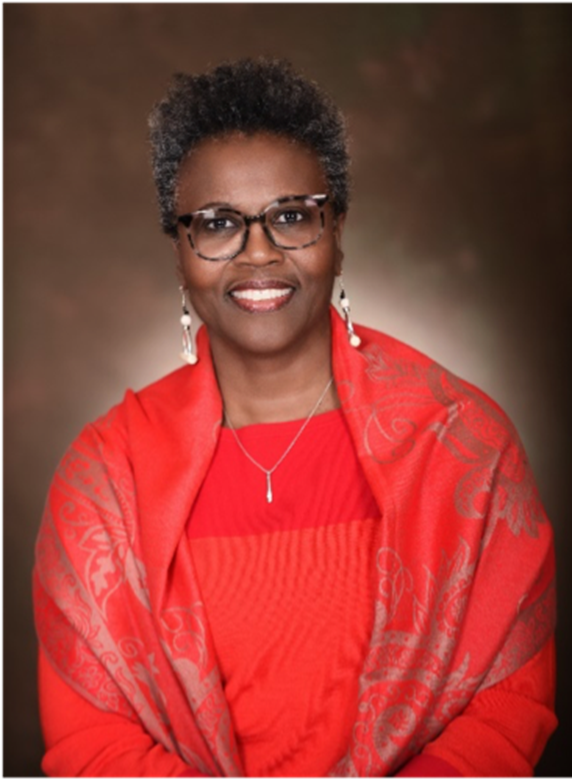
Jenny L. Jones

Jin Huang