
Through COA Accreditation, a service of Social Current, we seek to empower organizations to implement best practice standards to improve service delivery and achieve better outcomes for individuals and communities. COA Accreditation provides a framework to help organizations manage resources, incorporate best practices, and strive for continuous improvement.
We believe there is rich expertise in our field, so we ground the COA Accreditation process in our human and social services community. Our volunteer peer reviewers conduct our site visits and finalize accreditation decisions.
We are proud to spotlight the latest Volunteer of the Quarter: Thayer L. Johnson, MSW, LSW.

About Thayer L. Johnson
Thayer received his undergraduate degree in education from Norfolk State University in 1987. In 1995, he graduated from the University of Illinois Chicago with his master’s in social work. While he earned this degree, he began his long social work career at the Illinois Department of Children and Family Services. During his tenure, he served in several capacities, including several years as the regional administer of child protection. During the agency’s public accreditation, he discovered an interest in the process. As time went on, he became a cheerleader for accreditation so that his agency could achieve greatness through best practice standards. In 2006, he became trained as a COA Accreditation peer reviewer. He has since completed many reviews and began his service as a Team Leader this year.
Q&A
What three traits define you?
Diligence in task completion; commitment toward goals; and honor for all leaders in child welfare.
What are your strongest beliefs about the value of COA Accreditation?
It is always great to hear how someone outside your agency recognizes and celebrates your hard work. It is even greater, however, when you can see areas of improvement verbalized by a peer from the field, and then to make changes which will further benefit clients.
What advice would you give someone interested in being a COA Accreditation volunteer?
I would recommend that anyone in this field become a COA Accreditation volunteer. It is a great experience for me, and now that I am retired, I have more time to volunteer. I’m having a blast!
What excites, surprises, and/or challenges you the most about the work you do as a COA Accreditation volunteer?
I am excited when I see a strong team leader lead a group of peers from other states, sometimes with varying ideas of how to process evidence presented by an organization. Challenging conversations lead to an agreement of what success looks like or an identified challenge to be presented back to an organization. I am also very happy to see what an agency has put in place that may mirror strategies my own agency had put in place.
What led you to become a COA Accreditation volunteer?
The attention to detail and quality of information gathered in evidence during my agency’s COA accreditation and reaccreditation processes. I wanted to do what I saw the volunteers do in my agency for other organizations.
Learn more about how to become a peer review volunteer and apply online.
On Nov. 15, the Departments of Education and Health and Human Services released updated guidance to enhance educational stability and success for children in foster care. This new guidance builds on and strengthens the 2016 guidance, offering clearer recommendations for state and local education agencies and child welfare agencies working with foster children. The guidance addresses frequently asked questions about crucial topics such as Title I educational stability provisions as well as data collection to support students in foster care.
While the updated guidance does not change the existing policy, it aims to improve the implementation of foster care stability provisions by clarifying how they intersect with other educational programs. The goal is to provide more comprehensive support for foster care students through a stronger, more collaborative approach. The guidance also recognizes the unique intersectional identities of foster children, highlighting additional support programs available through the Departments of Education and Health and Human Services. Overall, this initiative seeks to ensure children in foster care receive the stability and support they need to succeed academically, underlining the importance of educational stability for foster children under Title I.
House Subcommittee Examines Safety and Vetting Policies for Unaccompanied Migrant Children
On Nov. 20, the House Judiciary Subcommittee on Immigration Integrity, Security, and Enforcement held a hearing to examine the processing of unaccompanied alien children by the Department of Homeland Security (DHS) and the Department of Health and Human Services (HHS) Office of Refugee Resettlement. The focus of the hearing was on policies related to unaccompanied minors, including the vetting of sponsors and guardians, and safeguarding children from potential threats such as human traffickers. The committee also addressed concerns regarding reports of missing migrant children in HHS custody and the efforts to locate them.
Chairmen Clay Higgins (R-La.) and Dan Bishop (R-N.C.) opened the hearing, emphasizing the government’s responsibility to protect vulnerable children. HHS Secretary Xavier Becerra later testified, outlining the safety protocols in place for children after being released to vetted sponsors. While acknowledging the agency’s limited authority to monitor children once they are discharged, Becerra highlighted the agency’s efforts, such as follow-up phone calls and post-release services, to ensure the children’s safety and wellbeing. He reaffirmed HHS’s commitment to adhering to child welfare best practices, prioritizing the best interests of the children in their care.
HHS Removes Barriers for HIV-Positive Patients, Expanding Access to Life-Saving Kidney and Liver Transplants
On Nov. 26, the Department of Health and Human Services (HHS) announced a new final rule that removes clinical research requirements for kidney and liver transplants between donors and recipients with HIV. This rule is part of the ongoing implementation of the HIV Organ Policy Equity (HOPE) Act, which aims to increase the availability of organs for transplant and reduce stigma for people with HIV. By eliminating the need for institutional review board approvals and clinical research for these transplants, the rule reflects robust research showing the safety and effectiveness of kidney and liver transplants in HIV-positive individuals.
This policy change is expected to streamline the transplantation process, reduce wait times for individuals in need of organs, and lower healthcare costs. It will also significantly increase the availability of life-saving organs for all patients, regardless of their HIV status. Admiral Rachel L. Levine, M.D., Assistant Secretary for Health, emphasized that the move aligns with the latest evidence and reflects the commitment to improving healthcare access for people with HIV. Along with the final rule, the National Institutes of Health (NIH) is seeking public input on revising research criteria for other organ transplants under the HOPE Act, aiming to expand the program further and continue building evidence on transplant outcomes for individuals with HIV.
Updates from the Judiciary
Federal Appeals Court Upholds Indiana’s Ban on Gender Affirming Care
On Nov. 26, the 7th U.S. Circuit Court of Appeals upheld an Indiana law banning the use of puberty blockers and hormones for transgender minors under 18. The court ruled the law does not discriminate based on sex because it prohibits gender transition procedures for all minors, regardless of their sex assigned at birth. They also concluded the law does not violate the constitutional rights of transgender children, their parents, or medical providers. This ruling comes as more states have passed similar laws, with over 20 states enacting restrictions on gender-affirming care since 2021.
The Indiana law mirrors a similar law in Tennessee, which is set to be reviewed by the U.S. Supreme Court in the case United States v. Skrmetti. The main issues in the case include whether banning gender-affirming care violates the 14th Amendment, whether it infringes on parents’ rights to make medical decisions for their children, and whether these laws should undergo heightened scrutiny. The 7th Circuit’s ruling could serve as an important legal precedent for the Supreme Court as it decides on the national availability of gender-affirming care for minors.
Wyoming Court Blocks Statewide Abortion Ban, Protects Access to Medication Abortion
On Nov. 26, Judge Melissa Owens of Wyoming’s Ninth District Court blocked the state’s total abortion ban, including the nation’s first explicit prohibition on the use of medication for abortion. Judge Owens ruled that the ban would interfere with the integrity of the medical profession by limiting doctors’ ability to provide evidence-based care. She also determined that Wyoming’s abortion laws violate the state’s constitution, which guarantees individuals the right to personal autonomy in medical decisions. The judge emphasized that the decision to have an abortion should be made by the pregnant individual, not by any other party.
The ruling has significant implications for abortion access in Wyoming, as it temporarily prevents the enforcement of the restrictive laws. Governor Mark Gordon said the state plans to appeal the decision to the Wyoming Supreme Court, indicating an ongoing legal battle over abortion rights in the state.
Subscribe to the Policy and Advocacy Radar to receive our biweekly policy roundup, which includes commentary on issues in Social Current’s federal policy agenda, opportunities to take action, and curated news and opportunities.
We recognize organizations and communities may be experiencing unease and uncertainty following the results of the 2024 election.
To assist in navigating changing political landscapes, Social Current invites you to a free webinar designed to empower nonprofits with the knowledge and tools for effective advocacy and policy engagement. The webinar offers an opportunity to grow your organization’s expertise in policy and advocacy through strategies to channel concerns into actionable advocacy plans. Interactive sessions will detail key tactics to advance organizations’ missions and strengthen the communities served.
The webinar is scheduled for Wednesday, Dec. 4, from 1-2:30 p.m. ET. Participants will gain a comprehensive understanding of building policy literacy, crafting compelling narratives, engaging in coalition building, and developing disciplined messaging strategies.
State Ballot Measures
Abortion Access
Ballot measures to enshrine the right to abortion into states’ constitutions passed in seven states: Arizona, Colorado, Maryland, Missouri, Montana, New York, and Nevada. Ballot measures to expand abortion access failed in Florida, Nebraska, and South Dakota. Access to abortion impacts maternal health.
Minimum Wage
Voters in Missouri and Alaska approved measures to raise the states’ minimum wage and require employers to provide earned paid sick time. Alaska’s minimum wage will increase to $15 per hour by 2025 and Missouri’s to $13.75 per hour by 2026.
Online School Meal Fees are Terminated for Low-Income Families
The U.S. Department of Agriculture announced processing fees will not be charged to students eligible for free or reduced-price school meals, effective during the 2027-2028 school year.
School districts often partner with processing companies to offer families online, cashless payment systems. While the fees and rates can be negotiated, the concentration of just three leading companies limits competition and complicates contract negotiations.
These processing fees present critical challenges to families, especially those with lower incomes who rely on weekly transactions. On average, companies charge approximately $2.37, or 4.4% of the total transaction, each time money is added to a child’s account. The U.S. Department of Agriculture estimates families who qualify for free or reduced-price lunch pay nearly sixty cents per dollar in fees when paying electronically.
The rule is expected to generate significant cost savings for families, as school lunch fees collectively cost upwards of $100 million each year.
Centers for Medicare & Medicaid Services Improve Access and Care Standards
The Centers for Medicare & Medicaid Services (CMS) have finalized several key healthcare policies to improve access and care standards. For example, Medicaid and the Children’s Health Insurance Program (CHIP) have mandated continuous 12-month eligibility for children under 19 (with restrictions on disenrollment for nonpayment during that period). Additionally, new obstetrical care standards require facilities to be prepared for emergencies as well as staffed by trained professionals. Expanded preventive care now includes coverage for follow-up colorectal cancer screenings and HIV pre-exposure prophylaxis (PrEP). Medicaid clinic services will also be more flexible, with exceptions for Indian Health Service and Tribal clinics, behavioral health clinics, and rural clinics to deliver care outside traditional settings.
CMS is emphasizing health equity through new quality reporting requirements for surgical centers, rural hospitals, and outpatient facilities, including screenings for social drivers of health and patient understanding of recovery. Telehealth policies have also been expanded, making audio-only telehealth permanent and exploring coverage for remote diabetes, nutrition, and mental health services under Medicare. These changes aim to increase healthcare access, enhance quality, and address social and health disparities across populations.
Updates from the Judiciary
Texas Court Considers Overtime Rule
On Nov. 8, the Eastern District Court of Texas held oral arguments on the legality of an overtime rule issued by the Biden Administration’s Department of Labor. The rule aims to expand overtime pay eligibility to salaried workers earning less than $58,656 annually, potentially affecting four million employees. Texas and several business groups have sued, claiming the rule exceeds the Department of Labor’s authority under the Fair Labor Standards Act (FLSA), additionally violating the Administrative Procedure Act. They have requested a preliminary injunction, which currently applies only to Texas employers, be expanded nationwide.
While parts of the rule are already in effect, the salary threshold increase to $58,656 for overtime exemptions is set to take effect on Jan. 1, 2025. U.S. District Judge Sean Jordan previously granted the preliminary injunction to block the rule in Texas while litigation continues. The U.S. Court of Appeals for the Fifth Circuit has also weighed in, affirming the Department of Labor has the authority to use salary as a factor for determining overtime eligibility, but warned the agency’s power is not unlimited. The case currently remains unresolved as further legal proceedings unfold.
Court Upholds Emergency Health Care to Undocumented Immigrants
On Nov. 8, the Florida First District Court of Appeal ruled that the state cannot require hospitals to return Medicaid payments made retroactively for emergency care provided to undocumented immigrants. While undocumented citizens are generally ineligible for Medicaid, federal law mandates that states offer limited Medicaid coverage for emergency medical situations involving migrants, such as dialysis, childbirth, or trauma.
The court’s decision reinforces a key ruling from 2019, which found that Florida cannot pursue Medicaid fraud cases related to these payments, including actions by the state’s Bureau of Medicaid Program Integrity (MPI), a fraud detection unit. The court clarified that the recent changes to the Medicaid laws do not override the 2019 ruling.
Subscribe to the Policy and Advocacy Radar to receive our biweekly policy roundup, which includes commentary on issues in Social Current’s federal policy agenda, opportunities to take action, and curated news and opportunities.
Social Current has recently received funding to support its work to further child, family, and community well-being. The organization will work in concert with partners and community-based organizations to provide training and technical assistance for the initiatives.
“Social Current has proven itself as a facilitator and training and technical assistance provider by creating access to experts, facilitating peer-to-peer learning, emphasizing lived experience, and supporting progress through research and evaluation,” said Jody Levison-Johnson, president and CEO. “We are proud to have been selected for these initiatives and look forward to advancing child, family, and community well-being so that all people can thrive.”
About the Initiatives
Quality Improvement Center on Helplines and Hotlines
Social Current and the Children’s Trust Fund Alliance are partnering with Evident Change, which has been awarded a five-year cooperative agreement with the Children’s Bureau, a division of the Administration for Children and Families (ACF), Administration on Children, Youth, and Families (ACYF).
The Quality Improvement Center on Helplines and Hotlines will be the resource for collecting and sharing national models and best practices in implementing community-based helplines as an alternative to child protective services (CPS) hotlines. The Center will also develop evidence-informed training for mandated reporters and hotline staff to learn skills to overcome bias in decision making and distinguish between poverty and willful neglect in child abuse reporting.
This project is supported by the Administration for Children and Families (ACF) of the United States (U.S.) Department of Health and Human Services (HHS) as part of a financial assistance award totaling $2,492,412 with 100 percent funded by ACF/HHS. The contents are those of the author(s) and do not necessarily represent the official views of, nor an endorsement, by ACF/HHS, or the U.S. Government. For more information, please visit the ACF website, Administrative and National Policy Requirements.
The Justice Initiative: Learning Network for Juvenile Justice Funding
Social Current is working with the National Partnership for Juvenile Services (NPJS) on this three-year initiative to enhance organizational capacity and resilience by increasing access to Office of Justice Programs (OJP) funding for community-based organizations serving youth in marginalized communities. This initiative focuses on organizations that provide juvenile justice services and victim services to individuals who face significant challenges, including racial bias and inadequate health care, which were exacerbated during the COVID-19 pandemic.
It will establish a learning network for 75 community-based organizations and impacted community members, with a focus on organizations that serve communities of color, indigenous and rural communities, persons with different abilities, and LGBTQ+ individuals. The initiative will provide training and technical assistance, focusing on the Extension for Community Healthcare Outcome model. Participants will learn from experts and each other to enhance the quality of services they provide and build skills to better access OJP funding.
This project is supported by cooperative agreement number 15PBJA-24-GK-04088-MUMU, awarded by the Bureau of Justice Assistance. The opinions, findings, and conclusions or recommendations expressed in this product are those of the contributors and do not necessarily represent the official position or policies of the U.S. Department of Justice.
OJJDP Building Local Continuums of Care to Support Youth Success
This initiative, awarded to JBS International in 2023, has received extended funding to enhance local continuums of care and opportunity. Social Current will collaborate with JBS and other project partners to respond to the training and technical assistance needs of communities. This initiative’s goals are to:
- Identify strategies that support promising and evidence-based approaches that advance the long-term well-being and success of youth and their families
- Develop economic impact strategies that result in cost savings, and identify how those cost savings can be reinvested into the larger continuum of care
- Establish a sustainable framework that supports the decarceration of youth and the diversion of children identified as being at risk of involvement in the criminal justice system through a coordinated, collaborative strategy and also promotes safe communities
Social Current will provide support to carry out training and technical assistance activities, including planning and coaching meetings; developing literature reviews, trainings, and tools; and more.
This project is supported by cooperative agreement number 15PJDP-23-GK-06136-JRIX, awarded by the Office of Juvenile Justice and Delinquency Prevention, Office of Justice Programs, U.S. Department of Justice. The opinions, findings, and conclusions or recommendations expressed in this product are those of the contributors and do not necessarily represent the official position or policies of the U.S. Department of Justice.
Learn more about Social Current’s Child, Family, and Community Well-Being Impact Area.
Help Shape the Next Edition of COA Accreditation Standards
COA Accreditation, a service of Social Current, is proposing enhancements to six sections of its standards. These proposed updates, which reflect an in-depth review and synthesis of prominent published research and professional literature, as well as collaboration with a diverse group of subject matter experts, are now available for review and comment.
Download the documents of proposed changes:
- Workforce Development and Support Services (WDS)
- Case Management (CM)
- Vocational Rehabilitation Services (VOC)
- Adult Day Services (AD)
- Early Childhood Education (ECE)
- For-Profit Administration and Financial Management (AFM)
Click on the links above to save the Word documents to your computer’s Downloads folder. Review the documents and submit your feedback through the process outlined at the top of each document. The deadline to make comments is Dec. 18.
The field comment period is a critical step in our process because it ensures our standards are field informed by including input from provider organizations in the development process. This critical pairing of research and practice ensures that the COA Accreditation standards remain rigorous, practical, and reflective of current trends and evolving practices and continue to promote improved outcomes for individuals, families, and communities. The final updates will be released in spring 2025.
The Administration for Children and Families (ACF) released its inaugural data strategy to promote equity, enhance support for grant recipients, and invest in improved disaster preparation. ACF envisions 12 initiatives to responsibly exchange data across the human services landscapes. These initiatives are split among four categories to better inform policy and safely deliver services and benefits more quickly.
- Sustaining Initiatives will develop the foundational infrastructure to support the data strategy, including by creating a long-term funding and investment plan and establishing a data governance council.
- One Stop Shop Initiatives will create centralized resources to support program offices in building their data capacity, including by creating a data talent center to support hiring and team development.
- Delivery Initiatives will advance ACF’s use of data, including through centralized resources that support program offices in building their data capacity and by releasing community-centered data tools and stories.
- Technology Initiatives will provide the technology platforms and tools needed to streamline data reliability and enhance collaboration, including the launch of a customer relationship management system to coordinate across ACF.
Download a comprehensive overview of their data strategy to learn more about each of the initiatives and how they will support and strengthen data sharing throughout the sector.
Biden Administration Proposes New Rule to Increase Coverage of Contraception for Private Health Insurance Holders
The Departments of Health and Human Services, Labor, and Treasury recently released a proposed rule to significantly increase contraception coverage under the Affordable Care Act. The rule would enable women to obtain over the counter (OTC) contraception without a prescription at no additional cost such as emergency contraception and Opill, the first oral contraceptive approved by the Food and Drug Administration (FDA) for use without a prescription.
Additionally, the rule is expected to increase choice by mandating that plans and issuers expand the coverage of oral contraceptives and drug-led combination products, including intrauterine devices (IUDs). It reinforces plans and issuers’ responsibility to cover FDA-approved, cleared, and granted birth control methods at no cost to recipients.
The rule would require most private health plans to disclose OTC contraception is available without cost sharing or a prescription as well as to assist women in learning about their contraception coverage. Under the rule, plans and issuers would also be required to add a disclosure to the results of any online Transparency in Coverage self-service tool search for covered contraceptives explaining OTC contraceptives’ coverage.
Alongside the proposed rule, the Biden Administration issued guidance to ensure patients can access other preventative services, including cancer screenings, without cost. Comments may be submitted until Friday, Dec. 27.
IRS Releases Benefit Plan Notices
The IRS has issued guidance to expand the preventive care items and services High-Deductible Health Plans (HDHPs) may cover before plan deductibles are met.
Two notices released by the agency, which outline both expenses treated as paid medical care as well as preventive care for purposes of qualifying as a HDHP, include over-the-counter oral contraceptives, including OTC birth control pills, male condoms, and emergency contraceptives, regardless of whether they are purchased with a prescription. Non-mammogram breast cancer screenings, continuous glucose monitors, and selected insulin products were also named in the preventative care coverage.
Updates from the Judiciary
FTC Appeals Fifth Circuit Court’s Noncompete Ban
The Federal Trade Commission (FTC) requested the 5th U.S. Circuit Court of Appeals to review a Texas district court’s ruling which set aside the FTC’s ban on noncompete agreements in employment contracts. The Northern District of Texas issued its ruling in August, maintaining the FTC’s ban violated the Administrative Procedure Act by exceeding the commission’s statutory authority. The lower court argued that the Federal Trade Commission does not have the authority to create substantive rules regarding unfair methods of competition. The ruling stopped the Non-Compete Rule from nationwide enforcement.
The FTC’s non-compete rule would have prohibited employers from entering and enforcing new non-competes with all workers including, but not limited to: employees, independent contractors, externs, interns, volunteers, apprentices, and sole proprietors who provide a service to a client. It would require employers to notify current and former workers, excluding senior executives, that their non-competes are no longer enforceable. The rule would also render existing non-competes unenforceable, excluding senior executives.
A federal court in Florida similarly rejected the non-compete rule, but alternatively grounded their decision in the major questions doctrine. The major questions doctrine refers to the Supreme Court declaration that if an agency seeks to decide an issue of major national significance, its action must have clear congressional authorization. Considering the economic significance of non-competes, Florida’s federal judges ruled against their implementation. The FTC has since appealed its decision, although the rule remains paused.
A federal court in Pennsylvania upheld the rule, however, the company which brought the suit has since withdrawn the case. The judges rejected the company’s claims it would suffer irreparable harm to its contractual rights and investments in specialized training if the rule were to go into effect. The judges also affirmed the FTC acted within its authority to designate all non-compete clauses as unfair methods of competition.
As the FTC’s appeals are considered, employers can continue utilizing non-competes. The judges’ decisions, however, will likely have significant implications for the future of non-competes in employment contracts nationwide and will play a key role in defining the scope of the FTC’s regulatory authority.
Pharmaceutical Companies Appeal Medicare Drug Price Negotiation Program
AstraZeneca, Bristol Myers Squibb, and Janssen requested the Third Circuit Court of Appeals to revive their previously dismissed lawsuits challenging the government’s authority to negotiate Medicare drug prices.
Through the first round of negotiations, the prices of AstraZeneca’s diabetes medication, Farxiga, Bristol Myers’ blood thinner, Eliquis, and Janssen’s blood thinner, Xarelto, were each reduced between 56% and 68%. The negotiated prices will go into effect in 2026 and, projected, will save Medicare approximately six billion in the first year.
The pharmaceutical companies raised numerous concerns, such as the severe consequences of refusing to accept negotiated prices. Either by accepting steep penalties or withdrawing from Medicare, Bristol Myers Squibb argued the negotiation process amounts to an unconstitutional taking of property without just compensation.
Meanwhile, Janssen’s attorney grounded their argument in First Amendment concerns, maintaining that requiring companies to agree to a “maximum fair price” compels speech which violates their constitutional rights.
The pharmaceutical industry has filed eight lawsuits against the Biden Administration, challenging the validity of Medicare’s negotiation authority. Federal courts have continued to uphold the constitutionality of the drug price negotiation program, enforcing the importance of the Third Circuit’s ruling. A ruling in favor of Medicare would fortify the precedent needed to discourage future challenges. A ruling in favor of the pharmaceutical companies, however, is expected to impact access to life-saving medications significantly.
Subscribe to the Policy and Advocacy Radar to receive our biweekly policy roundup, which includes commentary on issues in Social Current’s federal policy agenda, opportunities to take action, and curated news and opportunities.
The White House recently held a convening on child care to discuss state actions to improve the affordability of child care for working families, increase the number of child care providers, and improve child care workers’ job quality.
Lawmakers and organizations from 34 states across the country reflected on key strides, pathways for growth, and challenges faced within child care and early childhood education throughout the past year. State leaders discussed potential legislation to serve a greater number of working families, lower costs, and support providers. Key issues that were discussed included early childhood education teacher compensation and benefits, supply-building strategies, access and affordability of child care, and quality care assurance.
White House officials thanked state legislators for their leadership and expressed the Biden administration’s support for continued federal and state action to improve access to affordable, high-quality child care and support child care providers.
New Report on Maternal Health Care Access in Medicaid Managed Care
The U.S. Department of Health and Human Services’ Office of Inspector General (OIG) recently issued a report surrounding Medicaid managed care enrollees’ access to maternal health care. The review was conducted because of the country’s maternal health crisis, which is marked by significant racial and geographic disparities in maternal deaths and complications. The report emphasized the importance of Medicaid as the nation’s largest maternal health care payor.
States use provider coverage rules and network adequacy standards to ensure that Medicaid managed care enrollees retain adequate access to care. However, the OIG found states are not leveraging managed care provider coverage requirements and network adequacy standards to promote access to maternal health care services that can support improved maternal and infant health.
Specifically, many states do not cover mental health providers and professionals outside of OB-GYN physicians and hospital births, including midwives, maternal-fetal medicine specialists, doulas, and community health workers, some of whose services are federally required.
Other states were found to not utilize network adequacy standards, including time and distance requirements, which limit the distance enrollees should have to travel to visit their provider. Additional standards included appointment wait times to reduce how long patients wait for a visit and provider to enrollee ratio standards, which dictate the number of providers that networks must have in proportion to number of enrollees.
Vitally, some states lack data on how the standards impact enrollees’ access to maternal health care. The OIG accordingly recommends the Centers for Medicare & Medicaid Services (CMS) confirm all states cover required services from maternal health care providers for Medicaid managed care enrollees. They additionally recommend clarifying the requirement that States have a provider-specific OB-GYN network adequacy standard and supporting states in tailoring their network adequacy standards to better address maternal health care needs.
CMS agrees with each of OIG’s recommendations and is expected to respond with a plan of action within six months. CMS is planning outreach with states to ensure managed care enrollees have access to all required maternal health services. The agency will also assist states in adjusting network adequacy standards to meet the needs of residents in their states.
Final Guidance for Second Cycle of the Medicare Drug Price Negotiation Program
The Department of Health and Human Services recently released guidance outlining the process for the second cycle of negotiations under the Medicare Drug Price Negotiation Program.
The guidance centers how Centers for Medicare & Medicaid Services (CMS) will assist Medicare beneficiaries in accessing needed medications once negotiated prices become effective in 2026 and 2027, respectively. It discusses the requirements and parameters for how participating entities, including pharmacies and mail order services, will ensure designated Medicare Part D beneficiaries will have access to the negotiated prices.
The guidance also contains a key safeguard to ensure access to the maximum fair prices by allowing CMS to engage with a Medicare Transaction Facilitator to ease data sharing. Drug companies will also have access to the Facilitator for optional, voluntary payments between eligible individuals with Medicare and the pharmacies that serve them.
The next 15 medications covered by Part D for the second cycle of negotiations will be announced by February 1, 2025, while the negotiated prices will be effective beginning January 1, 2027. Fifteen patient-focused roundtables and one town hall meeting will also be held through spring 2025.
For additional information, CMS issued a fact sheet.
Additional Steps to Lower Prescription Drug Costs
HHS additionally released a request for information and a sample list of prescription drugs that the agency preliminarily intends to include under the proposed Medicare $2 Drug List Model, a key strategy within President Biden’s broader efforts to increase healthcare affordability and accessibility.
The Model provides a fixed copayment of no more than $2 for a month’s supply per drug for eligible Medicare Part D beneficiaries. The medications are intended to treat common conditions, such as high cholesterol and high blood pressure.
The Center for Medicare and Medicaid Innovation has released the plan with the intent of determining whether a simplified approach to offering low-cost, clinically important generic drugs can improve medication adherence, lead to better health outcomes, and improve satisfaction with the Part D prescription drug benefit among people with Medicare and prescribers.
Participation in the model is voluntary for Part D sponsors and, pending further development, is estimated to start as early as January 2027. Comments may be submitted until Dec. 9.
Updates from the Judiciary
Growing Concern of Social Media’s Impact on Adolescent Mental Health
Fourteen attorneys general, led by officials in New York and California, individually filed lawsuits against TikTok, claiming the social media platform damages young users’ mental health and collects the data of users younger than 13 without parental consent.
The bipartisan coalition alleged TikTok violates safety laws by claiming the platform is safe for youth, despite addictive features like 24/7 notifications and video autoplay. The filings also highlight dangerous TikTok challenges.
The legal coalition includes the attorneys general of California; Illinois; Kentucky; Louisiana; Massachusetts; Mississippi; New Jersey; New York; North Carolina; Oregon; South Carolina; Vermont; Washington; and Washington, D.C.
The lawsuit follows the passage of the Kids Online Safety Act (KOSA) through the House Energy and Commerce Committee and the Senate, which expressed overwhelming support as 91 Senators voted in favor. KOSA is intended to boost online privacy and safety for children, regulating the features offered and reducing the addictive nature of the platform. Nevertheless, bipartisan concerns have been raised of censorship and the suppression of free speech.
Federal Judge Removed from a Thirteen-Year Lawsuit Against Texas’ Child Protective Services
The Fifth Circuit Court of Appeals unanimously voted to remove Judge Janis Jack, a federal judge for the U.S. District Court for the Southern District of Texas. The Fifth Circuit detailed several instances in which Judge Jack was disrespectful and antagonistic toward Texas state employees and their lawyers. The Fifth Circuit judges maintained she inappropriately urged and instigated lawyers representing foster care children to provide evidence that Texas is willfully disregarding her orders for systemic improvements.
Judge Jack’s removal primarily follows the expansive reforms she mandated after determining Texas’ foster care system violated children’s constitutional rights. She levied heavy fines when state officials failed to meet compliance standards and found the state in contempt three times for failing to address unsafe conditions.
In April, Judge Jack issued a ruling that found Texas Department of Health and Human Services Commissioner Cecile E. Young, in contempt of her court orders to fix the way the state investigates complaints by children in its care. Her ruling carried a daily fine of $100,000 until the state could demonstrate an attempt to address its routine neglect of investigations into allegations of abuse and neglect of children in foster care.
The Fifth Circuit blocked that fine two days after Jack’s ruling and recently reversed it, maintaining it violates the court’s constitutional limits of power over individual states. The Fifth Circuit further affirmed federal judges do not have the power to become de facto superintendents, permanently overseeing major state agencies. Moreover, federal courts are not allowed to thwart the state’s self-management as they work to address identified abuses.
Subscribe to the Policy and Advocacy Radar to receive our biweekly policy roundup, which includes commentary on issues in Social Current’s federal policy agenda, opportunities to take action, and curated news and opportunities.
COA Accreditation, a service of Social Current, has revised its standards for Opioid Treatment Programs (OTP) in the U.S. in response to SAMHSA releasing revised rules for OTPs, which went into effect on Oct. 2.
Social Current staff worked closely with SAMHSA and COA Accredited OTPs to ensure the updated standards reflected these rule changes and current practice in the treatment of opioid use disorder with medications. The new rules and revised standards expand access to care, including expanding access to take-home medications, split dosing, and telehealth. They also improve a person’s experiences as they seek treatment for substance use disorder by removing stigmatizing language and promoting the chronic disease model of management, a more person-centered approach to treatment, and harm-reduction.
The 2024 edition of the OTP standards is now available on the Social Current website.
Download a copy of the revised standards.
Questions?
If you are pursuing accreditation or re-accreditation, contact your accreditation coordinator.
If you are seeking accreditation for the first time, join an upcoming informational webinar or contact Joe Perrow, network growth manager at Social Current.
For additional information about COA Accreditation standards, contact Melissa Dury, director of standards at Social Current.
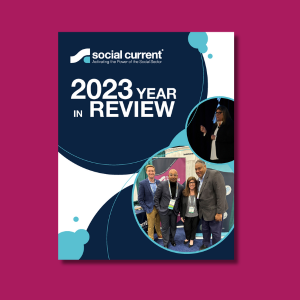
2023 set the stage for Social Current’s growing work to increase understanding, awareness, and respect for our sector and its myriad contributions. We were proud to announce our social impact campaign in partnership with UnCharitable and hold our first-ever Hill Day, recognizing the urgent need to dismantle barriers that obstruct our sector to effectively address pressing social issues. We are grateful to have your support as we continue to strengthen and amplify the work of the social sector to facilitate impact and systemic change through our core solutions and impact areas.
Our 2023 Year in Review features:
- A note from Social Current President and CEO Jody Levison-Johnson
- Engagement stats for our partnerships and service offerings: COA Accreditation; Engagement Packages, now Impact Partnerships; and Consulting
- Milestones related to our six core integrated impact areas
- Highlights of SPARK 2023 and Hill Day
Lardie to Lead Multi-Faceted Development Strategies Across Social and Human Services Funders and Foundations

Social Current today announced that Sarah Beth Lardie has joined the organization as chief development officer to oversee and coordinate funding and development strategies across a broad range of social sector and human services funders and foundations.
With nearly two decades of experience in advancing the mission, vision, and goals of nonprofit organizations, Ms. Lardie has helped to lead the growth and sustainability of a wide range of successful organizations, raising more than $20 million dollars annually for civil society actors ranging from United Nations to local food banks. She began her career as a social worker working with children and families before transitioning to a career in development. As a member of the founding leadership team of Joshua Venture, a fellowship program for social entrepreneurs, she was responsible for providing fellowships for 16 entrepreneurs across the U.S. She has also been a mentor with MIT’s LaunchX program and an advisor to the African Venture Philanthropy Network.
“Sarah Beth’s extensive experience in development and her understanding and familiarity with the social sector as a social worker will help us grow our strategic partners across the sector,” noted Jody Levison-Johnson, president and CEO of Social Current. “She will be a critical asset in our efforts to activate the power of the social sector to help build an equitable society where all people can thrive.”
“Building civil society, bringing more people and resources to the critical work being done is fulfilling,” commented Sarah Beth Lardie. “Nonprofit organizations are where innovations to solve society’s most difficult problems are happening, and I love being part of that. That’s what drew me to Social Current.”
Lardie received her bachelor’s in sociology and labor studies from Rutgers University, her master’s in social work from the Columbia University School of Social Work and her master’s in public administration from Carnegie Mellon University/University of Pittsburgh in a dual degree program. She is based in New York City.