
By: Dr. Daniel P. Hall Riggins and Verleaner Lane
According to the Center for Disease Control and Prevention, each year, there are nearly 3,500 sudden unexpected infant deaths (SUID) in the United States. In 2020, 27% of those deaths occurred in infants under the age of one due to an unsafe sleep environment.
The American Academy of Pediatrics understood the dangers of unsafe sleep nearly three decades ago, resulting in the launch of their Safe to Sleep, (formerly Back to Sleep) campaign in partnership with the National Institute of Child Health and Human Development. The campaign advocated for parents to place children on their backs to sleep and to remove loose bedding. As a result, child death rates from SUIDs dropped precipitously, but in the early 2000s those advances stalled, with infant mortality rates remaining stagnant at around 85-100 deaths per 100,000 births each year.
Since then, researchers have recognized that rates of infant death remain high in American Indian/Alaska Native and Black communities, leading child health experts to examine the role that race may play in these health disparities.
AAP updated its safe sleep guidance last year, with a focus on addressing disparities by contextualizing safe sleep behavior within broader societal and cultural factors, including the impact of poverty, lack of access to prenatal and well-childcare, and lack of culturally appropriate messaging around safe sleep. As a result, communities nationwide are taking a fresh look at sleep-related infant deaths through the lens of a population health approach.
That was one of the goals of Cook County Health Project CHILD’s participation in the Child Safety Forward initiative — one of five sites that was selected for a Department of Justice-funded grant to reduce child abuse and neglect fatalities and injuries through a collaborative, community-based approach.
An initial data review showed that Cook County’s SUID rate is twice the national rate and the Cook County incidence of SUID in Black infants was over 10 times higher compared to Non-Hispanic White infants, based on data from 2019.
Project CHILD began its efforts by using geospatial risk analysis mapping to demonstrate neighborhood “hot spots” of SUIDs. We discovered noted clusters of deaths on the Westside of Chicago in neighborhoods like Garfield Park, Humboldt Park, and North Lawndale; on the Southside in neighborhoods like Englewood, Pullman, and Woodlawn; and in Southern suburbs like Chicago Heights, Harvey, Hazel Crest, Olympia Fields, and Park Forest.
Project CHILD also approached the issue with an understanding that child welfare cannot do this work alone. In fact, data indicates that 50 percent of infants and children who die from fatal injuries caused by maltreatment, including unsafe sleep practices, are unknown to the child welfare system. This led to Project CHILD convening a multi-disciplinary group of stakeholders comprised of healthcare providers, community health workers, maternal infant health providers, educators, social service providers, and law enforcement – all those who come into contact with children and families.
We then partnered with the Child Protection Training Academy, (CPTA) located on the University of Illinois campus, which had created a simulation training model for DCFS Child Protection Investigators. The simulation was structured around training to recognize elements of unsafe sleep practices based on a fictional family with numerous underlying conditions including domestic violence, mental health concerns, substance use disorder and suspicions of sexual & physical abuse.
The simulation developed a home that was designed to draw attention to unsafe sleep practices, with the environment staged with a pack and play that was cluttered with clothing, bedding, and other objects. The simulation’s life-like doll was placed on a soft couch, to draw attention to other risk factors for unsafe sleep. Though the training was conducted on Zoom the teams were able to “investigate” the environment through the use of the “proxy” who walked through the home with a camera enabling the participants to see the home and its contents. Team members could ask for close up examination of particular items in order to determine what questions they might need to ask to gather additional evidence. Additional risk factors were added within the house, such as a premature infant and evidence of smoking.
What the simulation training revealed was that safe sleep issues were often not the primary concerns of members of the MDT as they observed the family’s home. Law enforcement, for example, is often called to homes for other reasons but are rarely trained to look for unsafe sleep practices.
It’s also important for members of the MDT to hear from families and parents with lived experience about the other factors that can influence sleep practices. Project CHILD met with families and heard from them about conflicting messaging coming from older generations who are respected for their wisdom, beliefs about the importance of skin-to-skin bonding, and, in communities where violence is prevalent, thoughts on family beds as perhaps one of the safer places for infants. We also heard loud and clear that families often do not trust public agencies and that the child safety messaging they do receive appears punitive and reactive.
Based on the insights from our geospatial mapping, simulation training and parent insights, we hope to create more advanced safe sleep trainings and guides for all stakeholders, not just those across the child welfare system. This information can also be used to assist in planning targeted messaging to hot spot communities, and the implementation of services and greater awareness, education and outreach to those communities.
Ultimately, we hope that, through the collaboration with key partners, such as Be Strong Families, EverThrive Illinois and the MDT teams, we can apply these learnings in new ways to enhance community understanding and action around safe sleep practices to reduce child fatalities.
Daniel P. Riggins, MD is a pediatrician with Cook County Health. Verleaner Lane is the project director for Project CHILD of Cook County Health, one of five Child Safety Forward sites.
Disclaimer: This product was supported by cooperative agreement number 2019-V3-GX-K005 Reducing Child Fatalities and Recurring Injuries Caused by Crime Victimization, awarded by the Office for Victims of Crime, Office of Justice Programs, U.S. Department of Justice. The opinions, findings, and conclusions or recommendations expressed in this product are those of the contributors and do not necessarily represent the official position or policies of the U.S. Department of Justice.
On July 17, the Streamlining Federal Grants Act of 2023 was introduced by Sens. Gary Peters (D-Mich.), James Lankford (R-Okla.), and John Cornyn (R-Texas). This bill would help enhance the efficiency and performance of federal grants and cooperative agreements. It proposes the establishment of a Grants Council composed of grantmaking federal agencies, which would guide reforming complex and outdated procedures.
Leaders from across the social sector shared statements of support for the bill in a press release from the U.S. Senate Committee on Homeland Security & Governmental Affairs. Among the quotes endorsing the bill was this one from Social Current President and CEO Jody Levison-Johnson:
“I am thrilled to see the introduction of the Streamlining Federal Grants Act of 2023 in the Senate, which reflects in part the Relief4Charities policy asks to strengthen and support the nonprofit sector. This legislation will greatly improve access to federal grants for underserved communities and streamline the application process.”
Social Current and the National Council of Nonprofits highlight the legislation’s provisions that benefit charitable nonprofits in this one-pager. Those provisions include:
- Addressing bureaucratic obstacles
- Mandating consultation with non-federal entities (including nonprofits)
- Simplifying funding opportunity notices
- Elevating training and assistance for potential grant applicants.
Social Current is monitoring the progress of the Streamlining Federal Grant Act of 2023 and will share updates in our Policy and Advocacy Radar newsletter. Subscribe online.
Social Current Leadership on Grant Reform
Social Current has been active in advocating for federal grant reform and educating our network about the issue. Earlier this summer, we hosted a policy briefing about the issue, which can be viewed on demand.
Blair Abelle-Kiser, senior director of government affairs at Social Current, discussed how we can set the nonprofit sector up for financial success through government contracting and grant reform. The conversation was inspired by the op-ed, “Government contract reform is a must for social sector nonprofits,” authored by Social Current President and CEO Jody Levison-Johnson in New York Nonprofit Media in February 2023. While there is still advocacy work to be done, this bipartisan bill is a significant step forward.
Upcoming Opportunity: Igniting Advocacy Training and Hill Day
SPARK 2023 will feature the Igniting Advocacy Training and Hill Day. Build foundational skills and learn about advanced advocacy strategies during the two-day training. Then, put what you’ve learned into action when meeting with members of Congress in Washington, D.C. We will take care of the logistics so you can focus on having meaningful interactions with key decision makers. Learn more about SPARK 2023, Oct. 16-17 in Bethesda, Maryland, and Hill Day, Oct. 18. Register by Sept. 18 to save with the early bird rate.
In response to the Supreme Court’s decision to scrap affirmative action in college admissions, President Joe Biden delivered searing criticism against the ruling and the court, even saying, “This is not a normal court.” He cited instances where the court has undermined or ignored precedents that have stood for decades, including last year’s ruling that overturned Roe v. Wade. Rebuking the court’s ruling, Biden said, “Discrimination still exists in America. Today’s decision does not change that. It’s a simple fact.”
In remarks that his team had prepared in anticipation of the outcome of the affirmative action case, Biden described the outline of a plan to ensure diversity and opportunity within higher education. He called on the Department of Education to explore ways to bolster diversity on college campuses by accounting for hardships that applicants had overcome in their lives. This would include prioritizing applicants from less advantaged ZIP codes, with lower financial means, and who have experienced unique personal challenges. A similar admissions model, based on a “socioeconomic diversity index,” is utilized at the School of Medicine at the University of California, Davis, which is one of the most diverse medical schools in the country. Next month, the DOE will host a national summit on diversity in college admissions.
Bidenomics: The President’s Economic Vision for America
On Wednesday, June 28, President Biden gave a speech in Chicago touting his economic accomplishments and presenting his plan for the future. He defined his administration’s key slogan for his 2024 campaign: “Bidenomics,” a term coined by the Wall Street Journal and Financial Times and embraced by the administration. Bidenomics, as defined by the White House, has three pillars:
- Making smart public investments in America
- Empowering and educating workers to grow the middle class
- Promoting competition to lower costs and help entrepreneurs and small businesses thrive
Biden criticized trickle-down economics, claiming that the philosophy failed the American middle class and contending that his plan will grow the economy from the “middle out and bottom-up.” In his speech, the president repeatedly emphasized his work with unions, calling himself “the most pro-union president in American history.” He detailed several successes of the economy under his administration, including low unemployment, high job satisfaction, declining inflation, and growing wages. He also mentioned some of his administration’s work, such as eliminating junk fees, reducing the cost of insulin, investing in education, limiting non-compete clauses, and supporting small businesses. He credited the American Rescue Plan Act and Bipartisan Infrastructure Law with much of the success of the American economy and praised his administration for reducing the federal deficit by $1.7 trillion.
For much of the speech, Biden looked toward the future, discussing goals to make the federal tax system fairer by placing a higher tax on billionaires while keeping his promise not to raise taxes for the middle class and continuing to invest in infrastructure and American jobs. In his conclusion, he summarized his plan, “It’s rooted in what’s always worked best in this country: investing in America, investing in Americans. Because when we invest in our people, we strengthen the middle class, we see the economy grow. That benefits all Americans. That’s the American Dream.” While “Bidenomics” is a relatively new term in the media, it is clear it will be a centerpiece in his 2024 reelection campaign and will be a key priority of the administration going forward.
New HHS Rule Would Lower Child Care Costs
The Department of Health and Human Services proposed a new rule to lower child care costs and financially support child care providers. The rule covers the Child Care and Development Fund, which subsidizes care for 1.5 million children and impacts 230,000 providers. Specifically, the rule would cap co-payments by families at 7% of income and allow states to eliminate co-payments for families at or below 150% of the federal poverty level. The rule would also cut down on bureaucracy and streamline eligibility criteria and the enrollment process for families. Finally, the rule would bring more providers into the program by offering higher payment rates and guaranteeing timely payments. In announcing the proposed rule, HHS Secretary Xavier Becerra said, “Our country cannot function without a strong child care system. … Child care is vital to the health and well-being of our nation’s families, businesses, and economy.” HHS encourages the public to submit comments on the proposed rule by Aug. 28.
Biden’s New Student Debt Relief Plan
On June 30, President Biden announced a new plan to provide student debt relief following the Supreme Court’s rejection of Biden’s original proposal to cancel up to $20,000 worth of federal student loans per person. Biden called upon the secretary of the Department of Education to open an alternative path for debt relief that could impact unprecedented borrowers. Moreover, the DOE finalized a new affordable payment plan to waive monthly payments for some borrowers and reduce yearly payments by at least $1,000 for others. There will also be a 12-month “on-ramp” to repayment from Oct. 1, 2023 to Sept. 30, 2024. Those who miss payments during this time will not be “considered delinquent, reported to credit bureaus, placed in default, or referred to debt collection agencies.”
LGBTQ+ Youth Suffer High Rates of Depression, Especially Youth of Color
A new study from Yale University provides scientific evidence that LGBTQ+ youth have higher rates of depression compared to their heterosexual counterparts. Those from Black and Hispanic households were 32% more likely to have symptoms of depression in states without anti-bullying legislation and conversion therapy bans. LGBTQ+ youth of color consistently experience higher rates of mental health challenges than their white peers. For example, while 12% of white youth had suicide attempts; more than 15% of Indigenous, Middle Eastern, Black, Multiracial, and Latinx youth had attempted suicide, with Middle Eastern and Indigenous ranking at 20% and 21%, respectively. Nearly 1 in 5 transgender and nonbinary youth attempted suicide, and LGBTQ youth of color reported higher rates than their white peers.
Youth of color deal with multiple sources of oppression, which leads to increased rates of depression. When LGBTQ+ youth of color are exposed to support, specifically in a school environment, there is measurable improvement socially, academically, and emotionally. There are ways to alleviate these youths’ struggles, such as establishing gay-straight alliances in schools, having staff trained in inclusivity, setting aside safe spaces, and implementing anti-harassment policies.
Subscribe to the Policy and Advocacy Radar to receive our biweekly policy roundup, which includes commentary on issues in Social Current’s federal policy agenda, opportunities to take action, and curated news and opportunities.
In the case of Students for Fair Admissions, Inc. v. President and Fellows of Harvard College, the Supreme Court ruled against affirmative action in college admissions. The historic 6-3 decision last Thursday overturned decades of precedence. The majority ruled that “Affirmative Action,” the practice of considering the race of prospective students when determining admission, violates the Equal Protection Clause of the 14th Amendment. Chief Justice Roberts wrote, “The Harvard and UNC admissions programs cannot be reconciled with the guarantees of the Equal Protection Clause. Both programs lack sufficiently focused and measurable objectives warranting the use of race, unavoidably negatively employ race, involve racial stereotyping, and lack meaningful endpoints. We have never permitted admissions programs to work that way, and we will not do so today.”
In her dissent, Justice Sonia Sotomayor, joined by Justices Elena Kagan and Kentanji Brown Jackson, wrote, “The result of today’s decision is that a person’s skin color may play a role in assessing individualized suspicion, but it cannot play a role in assessing that person’s individualized contributions to a diverse learning environment. That indefensible reading of the Constitution is not grounded in law and subverts the Fourteenth Amendment’s guarantee of equal protection.”
President Joe Biden condemned the decision, along with many public figures, including Barack and Michelle Obama, saying that he “strongly, strongly” disagrees with the ruling and urging that the “decision must not be the final word” on the matter. Former President Trump applauded the ruling, calling it “a great day for America.” Former Vice President Mike Pence, Florida Gov. Ron Desantis, and other conservative politicians expressed similar sentiments.
Some states have already banned race-based affirmative action, resulting in declining enrollment of students from underrepresented communities. Public opinion polls have shown mixed approval for the practice, with many voters conflicted. Knowing that the ruling would likely not rule in their favor, elite colleges and universities have been preparing for a change in their admission processes, with one dean stating, “We don’t want tools taken away from us or our hands tied behind our back. … I’m extremely worried.”
Supreme Court Releases Batch of New Decisions
The Supreme Court released a batch of new opinions last week in the final days of its term. On Wednesday, it released opinions ruling against the Independent State Legislature theory, clarifying when online harassment can be prosecuted, and upholding a Pennsylvania law allowing any company doing business in the state to be sued there. Later in the week, the court also ruled on cases dealing with trademark infringement, religious liberty, affirmative action, and President Biden’s student loan forgiveness program.
In the two cases involving the law and religion, the Supreme Court ruled in favor of religious liberty and freedom of expression in certain contexts. In Groff v. DeJoy, the court sided with Gerald Groff, an evangelical Christian suing the U.S. Postal Service for religious discrimination. Groff, who observes the Sabbath, faced punishment for refusing to work on Sundays. Lower courts ruled in favor of the Postal Service, agreeing that accommodating Groff’s beliefs would cause an “undue hardship” for the employer. However, in a unanimous decision, the Supreme Court ruled that under Title VII of the Civil Rights Act, “it would not be enough for an employer to conclude that forcing other employees to work overtime would constitute an undue hardship. Consideration of other options, such as voluntary shift swapping, would also be necessary.” The lower courts will now decide Groff’s case under the new clarified standard.
In 303 Creative LLC v. Elenis, the Court ruled 6-3 that an evangelical Christian website designer had the right to refuse service to LGBT customers under the first amendment. The Court ruled that a Colorado anti-discrimination law requiring the wedding website designer to create wedding websites for same sex couples was a violation of the designer’s right to freedom of speech. In the majority opinion, Justice Neil Gorsuch wrote “The First Amendment’s protections belong to all, not just to speakers whose motives the government finds worthy”, continuing “In this case, Colorado seeks to force an individual to speak in ways that align with its views but defy her conscience about a matter of major significance”. In her dissent, Justice Sonia Sotomayor wrote “Today, the Court, for the first time in its history, grants a business open to the public a constitutional right to refuse to serve members of a protected class”.
Two other cases, Department of Education v. Brown and Biden v. Nebraska, overturned President Biden’s student loan forgiveness plan. While the decision on the first case concluded that the respondents lacked standing to bring a procedural claim against the program, Biden v. Nebraska ruled that the program was unconstitutional.
Once again in a 6-3 vote, the Court ruled that Biden’s plan to forgive up to $20,000 in student loan debt relief to borrowers under the HEROES Act, which gives the executive branch the ability to waive or modify student loan debt terms during a national emergency, exceeded his authority. The majority opinion, written by Justice Roberts, stated that the plan was in violation of the highly subjective “major questions doctrine”, that states that any executive action not approved by Congress which the Court declares to be too “major” of a policy is unconstitutional. In her dissent, Justice Elena Kagan accused the court of “once again ‘substituting’ itself for Congress and the Executive Branch – and the hundreds of millions of people they represent – in making this Nation’s most important, as well as most contested, policy decisions.”
New Bill Introduced to Ensure Continuity of Exemptions to SNAP Work Requirements
On June 13, Ranking Member on the House Agriculture Subcommittee on Nutrition Jahana Hayes (D-Conn.) and Representatives Yadira Caraveo (D-Colo.) and Emilia Sykes (D-Ohio) introduced the Food Access and Stability Act. The proposed legislation would make permanent specific changes to the Supplemental Nutrition Assistance Program (SNAP) implemented in the recent bipartisan budget deal. Though the agreement required more adults without children to work to receive SNAP benefits, it exempted veterans, unhoused people, and former foster youth from work requirements until 2030. The Food Access and Stability Act would ensure that these exemptions become permanent. In introducing the legislation, the representatives reminded the public that over 41 million people, or 1 in 8, relied on SNAP benefits last year to avoid hunger.
Appropriations Process Already Hitting Hurdles
Just a month after reaching a bipartisan deal on the outlines of next year’s federal budget, members of Congress are already nervous about the prospects of passing a full budget by the end of the year. According to the debt limit deal, Congress must pass the 12 bills that are part of the federal budget by New Year’s Eve or else trigger an automatic 1% reduction across all areas of the federal government, also called sequestration. There is even disagreement over the deadline, with some lawmakers arguing that the bills can be passed as late as April of next year. Another issue is the spending caps included in last month’s debt deal. Republican House members are marking up bills that spend $119 billion less than the targets—a symbolic protest against the debt deal, which didn’t cut spending enough in their view. The Senate, on the other hand, is preparing bills that go above the agreed-upon spending targets. How these approaches will be reconciled into a final budget package is unclear. Rumors are already swirling that each chamber will spend the summer marking up its bills, and then a handpicked team of negotiators will come together in the fall to hammer out the final deal.
Federal Judge Shoots Down Arkansas Gender-Affirming Care Ban
On June 20, a federal district court judge struck down an Arkansas gender-affirming care ban after finding the law violates the constitutional rights of transgender youth, their parents, and health care providers. A coalition made up of parents of transgender youth, as well as doctors and major medical organizations, opposed Arkansas House Bill 1570 (also known as Act 626) and sued the state (Brandt et al. v. Rutledge et al.). Act 626 was enacted by the Arkansas state legislature, overriding the previous veto by the Gov. Asa Hutchinson in 2021. The bill barred state funds and insurance coverage for gender-affirming care and allowed private insurance to refuse coverage. Act 626 also prohibited health care professionals from providing “gender transition procedures” to individuals under 18. The federal district court judge found Act 626 to be unconstitutional.
Administration Rolls Out New Broadband Funding
Last week, the Biden administration announced the launch of Broadband Equity Access and Deployment (BEAD), a $42.45 billion grant program to fund high-speed internet infrastructure for each state, territory, and the District of Columbia. Each state will receive a minimum of $107 million. The funding for the program was authorized under the $1 trillion infrastructure law that President Biden passed through Congress in 2021. To receive the first 20% of the funding, states have until the end of the year to submit proposals to the National Telecommunications and Information Administration (NTIA) on how the money will be allotted. By the end of 2025, all the funds will be dispersed. The Biden administration argues that the internet is as vital of a utility as water and gas, and all families should have access to reliable and affordable internet.
Broadband companies have hesitated to provide internet access for rural areas, as it is not a lucrative venture, even though over 8 million homes need access. During the COVID-19 shutdown, the lack of stable internet access in rural areas emphasized the crucial need for these areas of the country to have broadband access. Earlier this month, NTIA announced $930 million for 35 “middle-mile” broadband construction projects connecting large fiber and local networks. NTIA administration Alan Davidson said earlier this month, “Middle Mile infrastructure brings the capacity to our local networks and lowers the cost for deploying future local networks.”
Subscribe to the Policy and Advocacy Radar to receive our biweekly policy roundup, which includes commentary on issues in Social Current’s federal policy agenda, opportunities to take action, and curated news and opportunities.
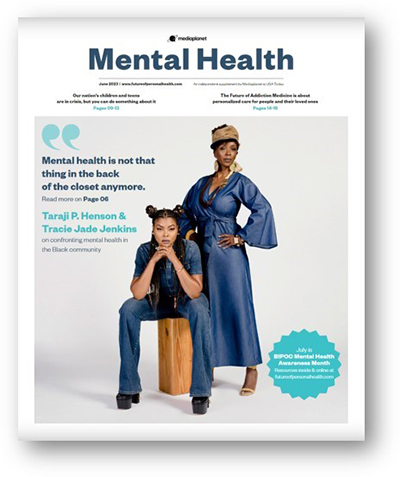
Social Current is proud to be part of Mediaplanet’s Mental Health campaign, which launched today. This supplement to USA Today includes the article, “There Is No Time to Waste: Addressing America’s Youth Mental Health Crisis” by Social Current President and CEO Jody Levison-Johnson. In the article, she outlines the complex challenge of youth mental health, emphasizes the importance of cross-system collaboration and early interventions that are tailored to each child and family’s needs and culture, and asserts confidence that we can build on momentum seen through federal investments in mental health and decreased stigma.
“The message is clear — we must prioritize access to a comprehensive, coordinated, upstream network of mental health services and supports, and this must be done in collaboration across all systems that interact with youth, including child welfare, education, juvenile justice, mental health, and primary care,” says Levison-Johnson.
Social Current supports youth and family mental health by strengthening the social sector through consulting on equity, diversity, and inclusion and workforce resilience; engagement packages, now Impact Partnerships; learning solutions; and COA Accreditation. Our COA Accreditation standards help ensure quality mental health services are available through community-based organizations.
The publication also includes articles from:
- Actresses and mental health advocates Taraji P. Henson and Tracie Jade Jenkins
- Miriam E. Delphin-Rittmon, administrator of the Substance Abuse and Mental Health Services Administration
- Anthony Estreet, CEO of the National Association of Social Workers
- Dr. Petros Levounis, president of the American Psychiatric Association
- And more
Mental health has been in the spotlight over the past few years, and this campaign aims to keep important conversations about the topic going long into the future. This campaign shares resources for those in crisis, tips for talking to a loved one dealing with mental health issues, strategies for combatting compassion fatigue, and so much more.
Pick up a copy in today’s USA Today or flip through the pages online.
Last week, the Indian Child Welfare Act, a guiding light of child welfare policy for over 40 years, survived a legal challenge that was brought before the Supreme Court, earning the applause of Native American tribes and child well-being advocates across the country. The Supreme Court voted 7-2 to uphold the law, which was passed in 1978 in response to investigations that found over one-third of Native children had been taken from their homes and placed with non-Native families. The law required officials to strive to place Native children with extended family, other members of the tribe, or another tribe, before considering placement in non-Native homes or institutions. The law defends long-held convictions backed up by mountains of empirical evidence that family preservation, community connection, and cultural affinity are cornerstones of child well-being.
Social Current President and CEO Jody Levison-Johnson released the following statement on the Supreme Court’s Decision:
“The Indian Child Welfare Act is consistent with best practice and child welfare’s shift towards strengthening families and promoting family preservation,” said Social Current President & CEO Jody Levison-Johnson. “By prioritizing the placement of children within their families, communities or tribal nations, we also prioritize stability and the opportunity to maintain continuity in schools, healthcare, and community participation. Today’s Supreme Court decision affirms this and ensures that we carry forward the practices and policies that we know create better outcomes for children.”
New Opioid Settlement Toolkit for Community-Based Organizations
Social Current is pleased to announce the release of the updated Opioid Settlement Toolkit for Community-Based Organizations. This toolkit offers strategy, resources, and advice to effectively advocate for over $50 billion in funds that have become available through settlements with opioid pharmaceutical companies, manufacturers, and retailers. States are currently deciding how these dollars are spent, so it is critical community-based organizations understand how the process works and use their expertise to influence policy makers.
Hearing on Anti-Poverty Tax Provisions
Last Wednesday, the Senate Committee on Finance held a hearing called “Anti-Poverty and Family Support Provisions in the Tax Code.” In his opening remarks, Chairman Ron Wyden (D-Ore.) called for the restoration of the one-year Child Tax Credit (CTC) expansion from the 2021 American Rescue Plan, which increased the credit and made it fully refundable, allowing the lowest income Americans to receive the full amount. A study by Columbia University claims that the CTC expansion lifted 3.7 million children out of poverty. In his opening remarks, Ranking Member Crapo (R-Idaho) argued against the CTC because it also benefited parents who did not work, undermining the lessons of welfare reform in the 1990s, which encouraged work, self-sufficiency, and workforce training.
The first witness, Amy Matsui of the National Women’s Law Center, spoke to the positive impact of refundable tax credits on low-income households. She said during the pandemic the enhanced Child Tax Credit, the Earned Income Tax Credit and the Child and Dependent Care Tax Credit together lifted 9.7 million people out of poverty, including 2.9 million women and 4.9 million children. Matsui was followed by Melissa Lester, a mother of two from Ohio, who told her story of struggling to pay for ever-increasing expenses, including child care, which costs more than her mortgage. She testified the $300 per month, per child from the enhanced Child Tax Credit gave her more breathing room and urged the committee to pass such family-friendly policies.
Another witness, Grant Collins of Fedcap, Inc., a nonprofit organization that helps individuals attain economic well-being, discussed the Earned Income Tax Credit saying it provides various positives for the children of beneficiaries, including improved birth outcomes, higher likelihood of college enrollment, and increased food security. The final witness, Bruce Meyer of the Harris School of Public Policy at the University of Chicago, urged against restoring the enhanced Child Tax Credit from the American Rescue Plan, because it did not tie benefits to work.
Freedom Caucus Cedes Blockade
The House floor is once again functioning, following negotiations between Speaker of the House Kevin McCarthy (R-Calif.) and the conservative Freedom Caucus.
Last week, a small group of Republicans joined Democrats in voting to prevent debate on a set of bills relating to gas stove regulation. Despite the issue’s popularity among Republicans, members of the Freedom Caucus “blindsided” Speaker McCarthy and paralyzed the House floor, preventing other popular party bills from passing as well. It appears that this rebellion was done in protest against the recent debt ceiling deal negotiated by President Biden and Speaker McCarthy, which some members feel violated the private deal made in January ensuring McCarthy’s election as speaker and did not go far enough to cut spending. Others say that the rebellion is not related to the January deals, and instead is a protest against threats made by House leadership to ensure that the debt ceiling bill would pass. On Monday afternoon, an agreement was reached and the blockade was ended after days of negotiations, with conservatives agreeing to help advance bills limiting gas stove and pistol brace regulations, two priorities of the Republican party.
However, the nearly week-long obstruction has made clear the power the Freedom Caucus holds in the House, which Republicans hold by a narrow majority. This power seems to be growing, as two new members were added to the Freedom Caucus just last week. While the standoff is over for now, the group made no promises for the future. In fact, Rep. Matt Gaetz (R-Fl.) seemed to state the group is willing to block House bills again, saying “perhaps we’ll be back here next week.”
Hearing on Postsecondary Innovation
On Wednesday, June 14, the House Subcommittee on Higher Education and Workforce Development held a hearing entitled “Postsecondary Innovation: Preparing Today’s Students for Tomorrow’s Opportunities.” Witnesses presented innovations in the higher education field that could advance equity, accessibility, and quality in postsecondary education, although some warned that funding innovative strategies without guardrails could lead to resources being wasted on low-quality programs.
Key Hearing Takeaways
- A four-year degree can provide social mobility, but postsecondary education is unaffordable and inaccessible for many Americans
- Georgia State’s National Institute for Student Success provides a model for using technology to ensure student success
- The Student Freedom Initiative uses private sector resources to help students at Minority Serving Institutions
- Changes in requirements, such as the four-year 120-credit-hour system, could reduce the financial burden of higher education while still ensuring students are prepared for the workforce
- Experts recommend that guardrails are put in place as so that innovation in education does not lead to the funding of low-quality degrees and certifications
Subcommittee Chairman Burgess Owens (R-Utah) opened the hearing by highlighting the importance of America’s colleges and universities and addressing the poor graduation rates these schools currently face. Owens contends one of the reasons higher education is “unaffordable, inflexible, and outdated” is the Higher Education Act (HEA), which provides a legislative framework for higher education and has not been fully updated since 2008. He argues the HEA needs to be revisited to reflect the modern university experience, in which over 30 percent of students are non-traditional. Owens references innovations such as competency-based education, three-year degree programs, and online education, which can advance education but are constrained by the HEA.
Ranking Member Frederica Wilson emphasized the importance of equality, and the opportunities higher education provides in her opening statement. Wilson argues although higher education can be the key to the American dream and lead to significantly higher income, students and families are being forced to shoulder more of the costs, a problem that particularly burdens black college students. In emphasizing the importance of affordable college and wraparound student services, she praises some innovations in higher education while warning against sacrificing equal access and opportunity.
The first witness, Dr. Tim Renick, executive director for Georgia State’s National Institute for Student Success (NISS), discussed the success of Georgia State, particularly in implementing technology to provide personalized attention to students. As one of the largest Minority Serving Institutions in the country, Georgia State has used predictive analytics and AI to monitor students for risk factors and proactively provide support to those at risk of dropping out, leading to a massive increase in graduation rates, especially for minority students. Renick explained how this technology, along with working with community colleges, has helped Georgia State rank among top institutions for social mobility, and how NISS has helped other organizations to do the same.
Keith Shoates, chief operating officer for the Student Freedom Initiative (SFI), after giving a shout-out to company donors, explained the pillars of SFI: alternatives to Parent PLUS loans, internships and certifications, comprehensive supports, and Minority Serving Institution (MSI) capacity building. Shoates states the overarching purpose of SFI is to attract private sector resources and create partnerships to alleviate the wealth gap in America through education. SFI is partnered with 56 institutions across 20 states with plans to expand. As an alternative to Parent PLUS loans, SFI provides Juniors and Seniors in STEM majors at participating organizations flexible loans with low interest rates, assists with obtaining certifications and paid internships, provides microgrants to students facing unexpected circumstances, and provides support for participating MSIs. Shoates contended that SFI’s model should be considered as an “effective, scalable, long-term solution to addressing the wealth gap through the lens of education.”
Lanae Erickson, senior vice president for social policy, education and politics at Third Way, a national policy think tank, explained the importance of improving the quality of education, not just access. After praising the increased access of higher education and the financial benefits it provides, Erickson pointed out the low graduation rates and lack of success some graduates face. She warned against innovative or experimental programs not backed by evidence, including expanding Pell Grants to short-term programs and funding online education. While these programs can be beneficial, Erickson recommends guardrails and transparency requirements that will ensure a high payout on taxpayer money invested in education.
Dr. Lori Carrell, chancellor of University of Minnesota Rochester and co-director of the College-in-3 Initiative, explained the work done through the College-in-3 experiment. Twelve campuses have experimented with pilot programs for the College-in-3 project and have found not only do these programs decrease financial burdens, but they can also be successful with evidence-based learning design and partnerships with employers. The group recommends the Department of Education initiates “Experimental Sites” for the project and that Congress supports the initiative through the fiscal year 2024 appropriations process as well as through HEA reauthorization by ensuring financial aid flexibility for accelerated learning pathways.
Following their statements, witnesses fielded questions regarding details of their programs and recommendations to Congress. Dr. Renick expanded on Georgia State’s use of technology to identify and assist struggling students, the importance of partnering with local community colleges, and areas in which other institutions would benefit from similar models. Mr. Shoates provided details on SFI programs, including which schools are currently sponsored and how microgrant and loan programs work. Dr. Carrell detailed the ways in which universities can retain quality degree programs while limiting the time it takes to complete them as well as the financial benefits doing so would provide. Ms. Erickson made recommendations for expanding dual enrollment, increasing equity in the K-12 system, and the importance of guardrails when implementing competency-based education programs.
Artificial Intelligence was a frequent topic of discussion, with questions about future degrees in AI and even how to prevent students from using ChatGPT to cheat. The hearing brought to light a seemingly bipartisan support for programs such as dual-enrollment and three-year degree programs that could advance both accessibility and quality of education in postsecondary schools.
HHS Secretary Goes before House Committee
On June 13, the House Committee on Education and the Workforce, chaired by Virginia Foxx (R-N.C.), hosted a hearing called “Examining the Policies and Priorities of the Department of Health and Human Services.” Secretary Xavier Becerra of Department of Health and Human Services (HHS) opened by stating the department’s commitment to keeping healthcare affordable and providing mental healthcare on par with physical healthcare to all Americans, especially minors.
Key Hearing Takeaways
- Secretary Xavier Becerra from HHS the emphasized their commitment to affordable healthcare and mental health services.
- A large portion of the meeting focused on the safety of migrant children. Secretary Becerra assured the committee that HHS is doing everything possible to keep migrant children out of exploitative situations, specifically by partnering with the Department of Labor.
- Serval members questioned Secretary Becerra about the safety of gender-affirming care for minors. Secretary Becerra responded all FDA-approved drugs are safe and effective, and each American’s healthcare journey is a conversation for the individual and a healthcare professional.
- Secretary Becerra shared the Biden administration’s interest in expanding childcare by raising the salaries of childcare workers as well as a commitment to lowering maternal death rates.
A significant focus of the meeting revolved around the New York Times article, “Alone and Exploited, Migrant Children Work Brutal Jobs Across the U.S.” Committee members questioned Secretary Becerra on how HHS keeps migrant children safe and out of exploitative situations, such as human trafficking. Secretary Xavier Becerra assured the committee the department is doing everything possible to protect migrant children in their care. HHS places migrant children with vetted sponsors, typically the child’s family or close relatives, but once they are placed with a guardian, HHS does not have jurisdiction to oversee those sponsors. HHS tries to contact children placed with sponsors to ensure their safety, but it does not have the authority to make the sponsors, or the children, respond. In the future, HHS plans to work with the Department of Labor to ensure safe workplaces in compliance with child labor laws.
Gender Affirming Care Upheld by Federal Judge
A U.S. District Judge in Florida has upheld the right of three minors to continue receiving gender-affirming care, despite recently passed legislation barring most transgender children from such care, like puberty blockers and hormone therapy. Judge Robert Hinkle also blasted the reasoning behind Florida’s ban on gender-affirming care for trans minors as likely unconstitutional. Judge Hinkle’s preliminary injunction only applies to the three families that brought the lawsuit. These families attest the ban violated their constitutional right for parents to make health-conscious decisions for their children. Hinkle states the plaintiff’s children will suffer irreparable harm if denied treatment. The ruling brings a temporary sense of relief to patients and families who have been denied access to gender-affirming care, but the legal path forward remains uncertain.
Judge Hinkle’s order comes in contrast to the series of anti-trans laws passed in Florida restricting transgender people’s access to medical care, school sports, and the ability to change names on IDs. The American Academy of Pediatrics and the American Medical Association support gender-affirming care for adults and adolescents.
Subscribe to the Policy and Advocacy Radar to receive our biweekly policy roundup, which includes commentary on issues in Social Current’s federal policy agenda, opportunities to take action, and curated news and opportunities.
On June 15, the U.S. Supreme Court voted 7-2 to uphold the Indian Child Welfare Act (ICWA). Social Current applauds the ruling in the Haaland v. Brackeen case because ICWA is regarded as the “gold standard” in child welfare by experts in the field, creating much-needed reform on practices that separated Native children from their families.
“The Indian Child Welfare Act is consistent with best practice and child welfare’s shift towards strengthening families and promoting family preservation,” said Social Current President and CEO Jody Levison-Johnson. “By prioritizing the placement of children within their families, communities, or Tribal Nations, we also prioritize stability and the opportunity to maintain continuity in schools, health care, and community participation. Today’s Supreme Court decision affirms this and ensures that we carry forward the practices and policies that we know create better outcomes for children.”
Related Resources
- Protect ICWA Instagram Carousel @ProtectICWA
- The Law That Protected My Daughter’s Connection To Her Culture Is Under Threat Romper
- A Can of Gasoline Under Indian Law The New York Review
- The Indian Child Welfare Act: A Primer for Child Welfare Professionals Fact Sheet Child Welfare Information Gateway
- Indian Child Welfare Act (ICWA) Resource Collection Child Welfare Information Gateway
- ICWA Reporting Recommendations Native American Journalists Association
For more information about ICWA and the Supreme Court case, watch our on-demand webinar featuring Jody Levison-Johnson and Sarah Kastelic (Alutiiq), executive director of the National Indian Child Welfare Association (NICWA).
Through COA Accreditation, a service of Social Current, we seek to empower organizations to implement best practice standards to improve service delivery and achieve better outcomes for individuals and communities. COA Accreditation provides a framework to help organizations manage resources, incorporate best practices, and strive for continuous improvement.
We believe there is rich expertise in our field, so we ground the COA Accreditation process in our human and social services community. Our volunteer peer reviewers conduct our site visits and finalize accreditation decisions.
We are proud to spotlight the latest Volunteer of the Quarter: Katrina Harrison Peoples.

About Katrina Harrison Peoples
Katrina Harrison Peoples is a native of St. Louis and has more than 20 years of nonprofit experience. She earned her bachelor’s from University of Missouri in human development and family studies as well as her master’s in professional counseling from Lindenwood University. She also has certifications in organizational development and leadership from the Institute of Organizational Development.
Katrina has led program operations in a diverse array of youth service settings, including 24-hour crisis center and helpline services, street-based outreach and drop-in service centers, psychological testing, in-home and office-based counseling, as well as transitional/independent living, school-based, afterschool, level 3-4+ residential, and mentorship programs. After serving in the highest level of operational leadership roles, Katrina shifted her work to funding and providing strategic consulting services to community-based organizations. She currently serves as vice president of school age initiatives at Area Resources for Community and Human Services (ARCHS). In this role, she manages a funding portfolio of contracts totaling over $3 million that serve youth in development and out-of-school programs.
Katrina learned about COA Accreditation during her tenure in the nonprofit sector while working for several COA-accredited organizations. She participated in both initial and several reaccreditation processes prior to serving as a peer reviewer.
In her spare time, Katrina is a fitness professional with several certifications and teaches group exercise classes.
Q&A
What led you to become a COA Accreditation Volunteer?
My desire to become a COA Accreditation volunteer was sparked after participating in my organization’s COA committee as we were preparing for our initial accreditation process. Participating in that committee and working through the process led to my interest in expanding beyond programs and additionally understanding the organization as a system. After going through the process, I began to think more systematically about my work, which has positively impacted my leadership lens.
What are your strongest beliefs about the value of COA Accreditation?
Having gone through initial accreditation and reaccreditation as an employee in various organizations, I believe the biggest value is the process of preparing for accreditation. I have seen countless examples of how an organization can grow and mature by understanding the value and developing new systems of doing the work. I have seen culture change as the organization starts to identify new priorities and let go of old mindsets. I have also seen how the intensity of preparation has fostered a sense of teamwork across various departments, improved order and structure, and has created more respect and appreciation across the organization for the various aspects of work that contribute to accomplishing the mission.
What excites, surprises, and/or challenges you the most about the work you do as a COA Accreditation volunteer?
What excites me the most is that no site visit experience is ever the same but ALL of them provide a rich learning experience. Each organization has its own unique mission, culture, and methods that best serve their communities. It’s a privilege to get an up-close-and-personal view of how the organization operates. I always learn something of value that I can bring back home.
Share a memorable place, person, or experience from a site visit.
I completed a site visit during the pandemic and could never have imagined there would be a time where a site visit could be completed virtually. While it was not the same and we lost some things in the absence of in-person interactions, the review team was fully committed to working together to honor the process so that the organization did not miss any of the value in going through the process. I was also impressed with how quickly Social Current transitioned training and all the systems to a virtual context.
Learn more about how to become a peer review volunteer and apply online.
2023 will mark the third year Juneteenth is recognized as a federal holiday, and an increasing amount of employers are including it on their holiday calendars. According to a new report from the International Foundation of Employee Benefits Plan, 30% of private employers are offering Juneteenth as a paid holiday to their employees, up from just 8% in 2020.
In addition to honoring Juneteenth as a paid holiday, organizations can recognize it with dedicated time for education and connection. Some resources with ideas and inspiration include:
- How to Celebrate Juneteenth This Year, By Chelsea Candelario, PureWow
- Remembrance, Reflection, And Celebration: How To Celebrate Juneteenth At Work In 2023, Vantage Circle
- 25+ Juneteenth Ideas for Work: 2023, by Akila McConnell, Unexpected Virtual Tours
- 15 Juneteenth Celebration Ideas for Work in 2023, teambuilding
- How Businesses Can be a Force for Good in an Era of Employee Activism, America’s Charities
- Top 10 Black Nonprofit Organizations, Goodera
Although recognizing Juneteenth is one step toward promoting equity, diversity, and inclusion (EDI), organizations should look to create an EDI-enriched organizational culture in meaningful and strategic ways as well.
“It is good to see that more organizations are now closing their offices for Juneteenth, but it’s not enough. To truly move the needle, leaders should be assessing their organizations and looking for how they can support their employees and communities in more substantive ways that meaningfully address inequities,” said Undraye Howard, vice president of equity, diversity, inclusion, and engagement at Social Current.
Comprehensively addressing EDI is a powerful strategy for increasing belonging and is inextricably linked to foundational pillars of workforce resilience, including psychological safety, creating space for difficult conversations, and increasing brain science awareness.
However, if an organization doesn’t have a plan or a multilevel commitment from staff, efforts can fall short and negatively impact staff engagement and morale. In a recent report released by WebMD Health Services on Diversity, Equity, Inclusion & Belonging: Uncovering What Employees are Offered, Want and Need, 62% of workers surveyed say Diversity, Equity, Inclusion & Belonging (DEI&B) programs aren’t effective, and nearly half (46%) say the programs had failed them personally.
To help equity efforts gain momentum and have lasting impact, Social Current recommends that organizations address it at the individual, organization, and systems levels. In addition, it is critical to engage all staff as important in this work, but also create measurable goals and clear accountability.
Effective Strategies for Advancing Equity and Workforce Resilience
Given that most organizations are feeling the strain of shrinking resources, increasing costs and demands for services, and significant workforce challenges, concurrently addressing equity and workforce resilience is strategic and increases the potential for impact. Organizations must partner with staff and prioritize advancing equity as core to how they look to advance workforce resilience.
“Nurturing a positive and supportive culture that aligns with our values does not happen overnight. Learning and building capacity around the concepts and interconnected strategies for EDI and workforce resilience, developing individualized plans, and putting plans into action and course correcting along the way is the surest way to make progress toward their goals,” said Karen Johnson, director of the Social Current Change in Mind Institute. “This work requires us to be innovative, curious, and courageous, but it is doable, and our workforce is worth the investment.”
Free Resources from Social Current
How organizations can help their staff to support their coworkers of color:
- Uncovering the Traps of Implicit Bias. (on-demand webinar)
- Psychological Safety and Equity, Diversity, and Inclusion: How Embracing Discomfort Leads to Growth. (on-demand webinar)
- Black Women in Leadership Presents: It’s All Good…But It’ Not. (on-demand webinar)
- Are We Ready to Confront the Nonprofit Racial Leadership Gap? (on-demand course)
- Special Juneteenth Reading List. This reading list was curated by librarians in Social Current’s Knowledge and Insights Center.
In-Depth Training and Networking Opportunities
- Workforce Resilience Webinar Series. Starting in September, this series, will offer concrete steps and strategies for supporting staff. Sessions cover topics from utilizing brain science to fostering psychological safety to creating culture and community. Register by July 14 to save with the early bird rate.
- SPARK 2023 In-Person Event. This conference, Oct. 16-17 in Bethesda, Maryland, will have a dedicated track for EDI, Belonging, and Justice, as well as a pre-conference session Oct. 15 that delves into the intersection of equity and brain science.
- Advancing EDI for a More Perfect Union. This three-part virtual workshop, Nov. 1, 8, 15 from noon-4 p.m. ET, will provide a safe environment for participants to explore their relationships with equity, diversity, and inclusion (EDI) and make progress their EDI action plans with the support of experienced facilitators.
Advancing equity takes sustained commitment from leaders and organizations and at the same time, needs to begin somewhere. This Juneteenth, affirm your commitment to your workforce and advancing EDI.
Human services nonprofits face several challenges in measuring their organizations’ health and stability. It is a frequent hot topic among thought leaders and organizations working to achieve COA Accreditation, a service of Social Current. Within COA Accreditation, our Analyzing and Reporting Information standards are among the most difficult to achieve.
To support organizations, we have updated Social Current’s COA Accreditation Benchmarking Program with an interactive data dashboard. This program for COA-accredited private and Canadian organizations contextualizes the performance against peer entities on 15 measures of health and stability in four performance domains:
- Financial Health
- Governance
- Workforce Development
- Risk Management
Our program is focused solely on human and social service organizations and, unlike other benchmarking services, maintains comparison integrity—the extent to which the comparison group matches your organization. What value does a benchmark provide a child welfare organization if it was derived from animal rights nonprofits? Through our multitiered algorithm to match similar organizations, you will receive apples-to-apples comparisons.
In creating this program, we partnered with leaders in human and social services, COA-accredited organizations, and our volunteer peer reviewers to define universal measures of organizational health and stability.
By collecting, aggregating, and sharing this data, this program creates value at multiple levels:
- COA-Accredited Organizations: To monitor basic key performance indicators and better understand their performance
- Social Current: To better understand its network
- Our Network as a Whole: To enrich the sector and better impact its communities
To learn more, visit our benchmarking webpage or contact our Data Help Team at Social Current.
This benchmarking program announcement follows the launch of our 2023 standards updates. The Social Current team will continue to create research-based and field-informed solutions around accreditation for the human and social services field. See the standards updates.