
The Senate Finance Committee is beginning work on a mental health bill to address current challenges. A few weeks ago, it held several hearings focused on youth mental health challenges, one featuring U.S. Surgeon General Dr. Vivek Murthy. Senate Finance Chairman Ron Wyden (D-Ore.) has selected four core focus areas:
- Strengthening the workforce
- Increasing integration/coordination and access
- Ensuring parity between behavioral and physical health
- Furthering the use of telehealth
The committee has identified a bipartisan pair of co-chairs from among its members to lead the work on each focus area. Sens. Debbie Stabenow (D-Mich.) and Steve Daines (R-Mont.) will work on the workforce issues. Sens. Catherine Cortez Masto (D-Nev.) and John Cornyn (R-Texas) are working on integration and access to care. Sens. Michael Bennet (D-Colo.) and Richard Burr (R-N.C.) are working on parity issues. Finally, Sens. Ben Cardin (D-Md.) and John Thune (R-S.D.) are working on telehealth.
Their goal is to produce bipartisan legislation this summer that brings together these various pieces of work. Parity seems to be a big issue heading into this discussion, as health insurance companies often violate laws and refuse to pay for mental health or substance abuse services. Insurance companies are already bracing to fight policy ideas around enforcements and fines. Social Current will be involved in advocacy efforts around this legislation and will continue to track this closely.
In other news, Congress voted to pass another short-term continuing resolution that would keep the government funded through March 11. Senate and House Appropriations Committee leads have agreed on a bipartisan funding framework for the 2022 fiscal year budget and are now working out the details. They are hoping to pass an omnibus budget bill before March 11 but may need another short-term extension to buy time if negotiations are not complete by then.
Equity Commission at USDA Formed
On Feb. 10, the U.S. Department of Agriculture announced the creation of the new Equity Commission, an initiative authorized and funded by the American Rescue Plan, which passed last March. The commission also includes a subcommittee on agriculture, and an additional subcommittee on rural community and economic development is forthcoming. The 15-member commission and its subcommittee will provide ideas and recommendations to USDA Secretary Tom Vilsack on ways the department can give all farmers and ranchers an equal chance at success and prosperity and close the racial wealth gap and other inequities in agriculture. Members will focus on tackling racial equity issues inside the department as well as in its programs. The commission launched after the one-year anniversary of the Biden administration’s executive order requiring federal agencies to reevaluate all internal and external programs and policies with a specific focus on advancing racial equity.
USDA Delivers $1.4 Billion for Rural Economic Development
The U.S. Department of Agriculture announced a $1.4 billion investment in rural business and cooperative services that is estimated to create or save over 50,000 jobs. These funds will be distributed across 49 states, the Virgin Islands, and Puerto Rico, and will help businesses and regional cooperatives hire and retain staff, create new opportunities for historically disadvantaged communities, and expand to new customer bases. For example, one grant for the Pella Cooperative Association will shore up its loan fund, which will help build a new women’s housing and health care building. Another grant will support rural microentrepreneurs and microenterprises in 12 Nebraska counties, including Native American business owners. USDA Secretary Tom Vilsack says that these investments will make rural economies whole and equitable.
New Brief on Transition-Age Youth
First Focus on Children recently released the policy brief, How Tax Credits Could Provide Transition-Age Youth Greater Financial Stability, which outlines challenges that youth aging out of foster care have faced in recent years and opportunities to alleviate hardship moving forward. There are approximately 700,000 youth (ages 16-24) with experience in foster care. Among findings in the brief:
- 27% were homeless in the past two years
- 22% had children in the last two years
- 31% were receiving public assistance
At the start of the pandemic in Spring 2020, the unemployment rate for this population rose from 8.4% to 24.4%. However, changes to the tax code in 2021 disproportionately helped youth with foster care experience. For example, the Earned Income Tax Credit was expanded to include eligibility for former foster youth and homeless youth ages 18-25, benefiting an estimated 380,000-500,000 youth. Youth with children became eligible for monthly payments and expanded care support through the Child Tax Credit and the Child and Dependent Care Tax Credit. The brief calls on Congress to make these changes and others permanent, so that youth with foster care experience continue to receive support.
The COVID-19 pandemic has exacerbated underlying inequities in the U.S. health care system, disproportionately affecting communities of color. Those inequities make it clear that the U.S. needs systemic investment in public and community health systems—focused on serving the most marginalized individuals and communities.
The newly released white paper provides a roadmap by focusing on four key pillars of health equity that reflect the challenges faced by implementers during the COVID-19 response:
- Access
- Data
- Power
- Resources
By ensuring our approaches include improved access to care, strong data systems, a shift in decision-making power, and access to resources, communities in the U.S. will be able to build a more equitable health care system.
Download the white paper online.
About the Vaccine Equity Cooperative
In fall 2020, Health Leads, NACHW, Partners In Health, and Social Current, came together to form the Vaccine Equity Cooperative to share trusted resources, expand funding, and strengthen policy in support of community-based and public health workforces. This initiative, a collaborative approach to addressing structural barriers and building vaccine confidence, aims to further support the rebuilding of public trust necessary to address long-term disparities and prepare for future crises.
Learn more about the Vaccine Equity Cooperative and how to get involved online.
Social Current Resources on Health Equity
Here are some ways to join our work on equity, diversity, and inclusion today:
- Participate in workshops, learning collaboratives, and consulting service
- Register for our upcoming webinars on health equity:
- Contribute your perspective to our federal policy agenda by joining the focus group on the social determinants of health and health equity Feb. 17
- Sign up for the National COVID-19 Resiliency Network’s pandemic response updates
- Browse the Knowledge and Insights Center (formerly Alliance Library) for Black health and wellness research and resources (Social Current network exclusive) – each week will feature a specific topic:
- Week 1: Highlighting the innovation and progress of Black scholars, medical practitioners, birthworkers, doulas, midwives, and others
- Week 2: Initiatives to help decrease health disparities
- Week 3: Preventive care and focus on body positivity, physical exercise, nutrition, etc.
- Week 4: Emotional and mental health advances in research and best practices
The current federal budget is set to expire on Feb. 18. The House of Representatives has passed nine out of 12 appropriations bills. However, none of those bills have passed in the Senate, which has an even split of Democrats and Republicans. Appropriations Committee chairs in the House and Senate are currently discussing a budget for the remainder of the 2022 fiscal year, but they have not reached a resolution yet. Remaining issues include the division of funding between defense and non-defense items and policy riders. Last week, Richard Shelby (R-Ala.), who serves as the top Republican on the Senate Committee, said he thought another short-term continuing resolution would be necessary to avoid a government shutdown. Negotiations will continue over the coming weeks, and we will see if Congress can come to an agreement.
Make Your Voice Heard in Our Policy Agenda!
Social Current is currently leading a highly inclusive and collaborative process to engage its network in developing its federal policy agenda for 2022-2024. The agenda-setting process will determine the federal policies and issues of focus for our network’s collective policy and advocacy work.
This series of focus groups, held in February and March, will capture critical feedback from the Social Current network on policy issue areas. All Social Current network organizations, including those that have purchased engagement packages or are pursuing or have achieved COA Accreditation, are strongly encouraged to participate relevant focus groups. We welcome the input of leaders at all levels. Don’t forget to sign up for at least one!
The series of policy agenda-setting focus groups includes:
- Social Sector Health & Excellence: Feb. 16 from 3-4 p.m. ET
- Social Determinants of Health & Health Equity: Feb. 17 from 2-3 p.m. ET
- Child & Family Well-Being: Feb. 22 from 2-3 p.m. ET
- Economic Mobility: Feb. 23 from 4-5 p.m. ET
- Education: Feb. 24 from 3-4 p.m. ET
- Advancing Equity: March 3 from 3-4 p.m. ET
Build Back Better in Limbo
Last week, Sen. Joe Manchin (D-W.Va.), when asked about the status of President Joe Biden’s Build Back Better Act, replied that the package was “dead” and that any new negotiations must start from square one. At the end of December, Manchin had announced, to the surprise of the White House and other Democrats, that he couldn’t support the Build Back Better package, which included investments in child care, pre-K, health care, elder care and climate solutions, among other initiatives. An extension of the Child Tax Credit past December, a major priority of the administration, seemed to be a sticking point in the negotiations. In a press conference earlier this month, President Biden said he was hoping Manchin would accept “chunks” of the bill passing, if and when negotiations start back up.
In response to Manchin’s comments on Tuesday, Senate Majority Leader Chuck Schumer (D-N.Y.) stated that there are many areas of potential agreement, such as drug costs, climate change, and tax code reform. It is becoming increasingly difficult to see how the Senate could fit Build Back Better into its hectic schedule over the next few months, as the chamber deals with competing priorities, such as a Supreme Court nomination, legislation boosting competitiveness with China, consideration of the Electoral Count Act, and a Russian offensive in Ukraine.
Source: Bloomberg Government
Heating and Cooling Relief Act Introduced in Congress
On Jan. 20, Senator Edward J. Markey (D-Mass.) and Congressman Jamaal Bowman (D-N.Y.) introduced the Heating and Cooling Relief Act, which would bolster the Low Income Home Energy Assistance Program (LIHEAP) and provide more funds for weatherization. According to Markey’s office, only 16% of eligible households are enrolled in LIHEAP. The bill would boost uptake by increasing funding to $40 billion and ensuring that no household pays more than 3% of its annual income on energy costs. The bill would also increase funds to support community outreach and technological upgrades and ensure LIHEAP coordinators are paid a living wage. Finally, the bill would create a new Just Transition Grant for states and localities, which would help eligible households weatherize and adopt renewable energy sources.
FCC Finalizes Rules for Affordable Connectivity Program
Last month, the Federal Communications Commission (FCC) released the details of the Affordable Connectivity Program, a new $14.2 billion initiative that provides discounts to eligible households for internet services and technology, such as computers and tablets. The program will contribute $30 per month ($75 per month for households on Tribal lands) for broadband services and a one-time discount of $100 for technology. Any household that earns income at or below 200% of the federal poverty guidelines is eligible. Moreover, eligibility extends to any family that participates in certain public benefit programs, such as Medicaid, SNAP, federal housing assistance, WIC, SSI, and free and reduced-price lunch or breakfast programs. Under the new FCC rules, consumers will be protected from credit checks during enrollment, upselling and downselling practices, and measures that lead to bill shock.
New Ratings in Family First Prevention Services Clearinghouse
The Family First Prevention Services Clearinghouse recently announced new ratings. First, the Intensive Care Coordination Using High Fidelity Wraparound program was rated as a promising practice under mental health programs and services. The Intercept program, which went through a re-review process, was rated as well-supported under the in-home parent and skill-based programs and services category. The Lilliput Families Kinship Support Services program was deemed not eligible for review by the Clearinghouse.
Social Current recently published Building Financial Capability and Assets in America’s Families, a special issue of its venerable social work research journal, Families in Society, and will be free to view for the month of February. The issue explores the history and current developments in financial capability and asset building for families, and the authors originally presented these papers at a national conference, Financial Capability and Asset Building: Achievements, Challenges, and Next Steps.
The contributions examine various ways practitioners and other professionals who work in community-based organizations can increase families’ financial abilities, as well as approaches to expanding financial and economic opportunities. It also explores policies and programs that increase family assets so that they can respond to emergencies, offset debt, and build a more hopeful future. Find links to the special issue under Latest Articles.
A historian, Devin Fergus, and a social work scholar, Trina William Shanks, set the stage for this special issue. They discuss the historical roots of financial exclusion and wealth inequality and make the case that it is imperative to understand our history of racial capitalism that has kept tangible economic progress out of reach for Black families. They call for human services professionals to address the resulting collective historical memories and family stress, and to organize for a “successful and final Reconstruction” that generates “genuine economic freedom” where Black families can realize their hopes and capabilities. The following is an excerpt from their article, “The Long Afterlife of Slavery in Asset Stripping, Historical Memory, and Family Burden: Toward a Third Reconstruction.”
Watch the opening plenary by Devin Fergus and Trina Shanks for the “Financial Capability and Asset Building: Achievements, Challenges, and Next Steps” conference.
The Next Reconstruction
For African Americans in particular, the question of financial capability and asset building is as old as Black freedom. With the adoption of the 13th Amendment to the U.S. Constitution in 1865, slavery officially ended in the United States, and the 4 million formerly enslaved persons had to find a way to survive under changing social and economic conditions. As they formed families and strived to make a living, Reconstruction Era policies were supposed to help with this transition. There were many false starts where expectations were raised, but then hopes were subsequently dashed when reality produced outcomes that kept tangible economic progress just out of reach.
Today, unlike a century ago, asset-building seems less about racial exclusion than the higher costs of financial inclusion for Blacks and other historically disfranchised groups—as racialized credit rationing has made its return to the American mortgage market. Though, in other ways, the high costs of financial inclusion may just represent the most recent form of wealth extraction—one with echoes of white-collar criminality transferring financial resources from communities of color with a history as old as Black freedom itself. This is the current world in which we now occupy. The afterlife of slavery continues to be fraught with inequality for Black Americans.
Racial Capitalism and Historical Inequities
There is a long history of what scholars of racial capitalism have dubbed the “disappointments with freedom” since slavery (Leroy, 2021). The gaps between the promises of the Freedman’s Bank, Homestead Act (or final legislative backing of “40 acres and a mule”), GI Bill, Fair Housing Act, and the racial realities that came afterward has certainly contributed to Black America’s resentment toward government and distrust of banks. The experience of broken promises and institutionalized racism repeated over time and across generations has resulted in unnecessary family stress and collective narratives that might lead Black Americans to reject certain financial practices or investments.
The larger macro-economic cycles described in racial capitalism along with specific historical events can shape shared narratives where residential segregation and structural racism are perceived as “just the way things are.” Furthermore, as Black families face the financial strain of struggling to survive with low income and low wealth in under-resourced communities, their children may also struggle to attain economic mobility. Thus, historical inequities are sustained in current generations. Of course, it is possible for narratives to change and for people to find support or opportunity in places where it didn’t exist in the past.
A Third Reconstruction of Black Economic Freedom
But if the First Reconstruction (ca. 1865–1877) and the Second Reconstruction (ca. 1954–1968) largely drew upon federal activism, often pressured from below, what might a Third Reconstruction entail? Perhaps the rise of Black Lives Matter and calls for reparations could bring the country closer to realizing the Black freedom that fell short in earlier eras. This new moment would necessarily include similar legislative actions, court rulings, and policy choices emanating from these previous eras of reconstruction. A new reconstruction is imperative to fulfill the promise of Black economic freedom that has never been widely attained. This third reconstruction would build upon the previous two iterations foregrounding voting, civil rights, and financial enforcement. However, the real test is whether economic security increases for the majority of Black households. Surface level changes that reproduce racial disparities are no longer acceptable.
A successful and final reconstruction would mean Black families face less economic stress (and certainly no more than anyone else) and comprise communities that have had the opportunity to generate new collective narratives of genuine economic freedom where they can realize their hopes and capabilities. There are implications for practice that could help herald such a Third Reconstruction. Community-based organizations can organize to help people learn lessons from the past and build Black power. The Grand Challenges for Social Work are one potential example for this type of collective action as they support efforts to eliminate racism, reduce extreme economic inequality, and build financial capability and assets for all.
Community-based practitioners can also point out racial inequities in current policies and practices as well as fight for more robust and inclusive policies. At the individual level, practitioners can be trained in financial counseling or coaching and work to ensure these services are relevant for Blacks and other populations that aren’t being well served by current financial systems. To be most effective, practitioners would have to address the collective memories and residue of financial strain that stresses family ties to encourage these underserved populations to trust a financial system that has betrayed them for generations.
About the Authors
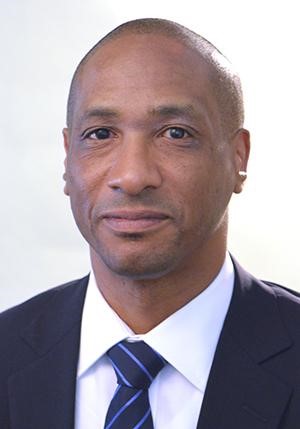
Devin Fergus
Arvarh E. Strickland Distinguished Professor of History and Black Studies
College of Arts and Science
University of Missouri
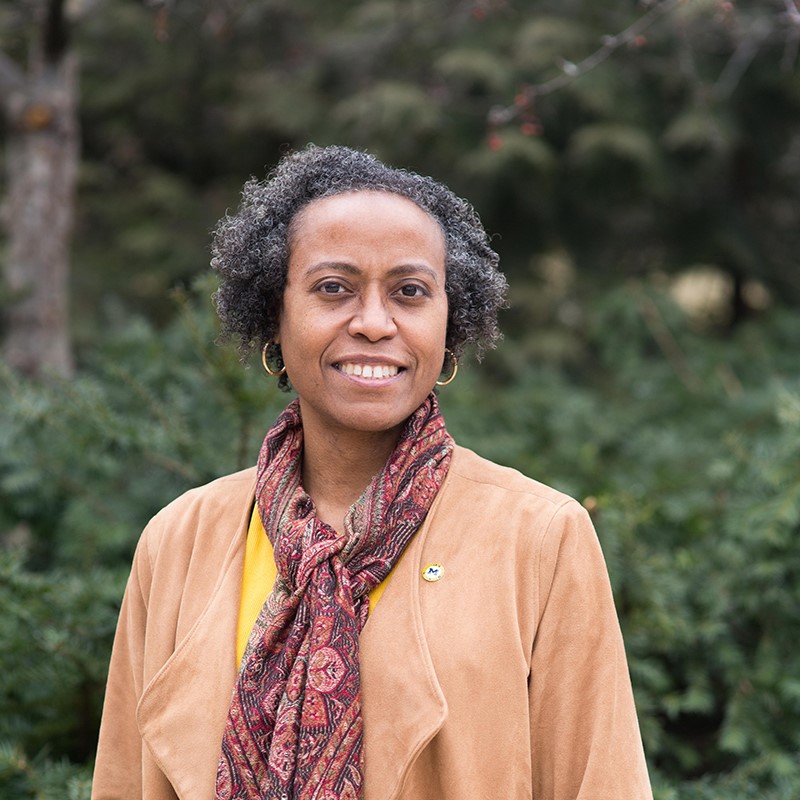
Trina R. Shanks
Director of the Center for Equitable Family and Community Well-Being
Harold R. Johnson Collegiate Professor of Social Work
University of Michigan School of Social Work
Take Action
- Build Your Nonprofit’s Approach to Racial Disparities and Socioeconomic Mobility
- Foster an Authentic Organizational Culture of Equity, Diversity, and Inclusion
- Use 3 Strategies to Address Socioeconomic Mobility
- Advocate and Mobilize to Help All People Reach Their Full Potential
- Incorporate Community Voices to Achieve Equitable Solutions
Every day, community members across the country miss out on educational, employment, and social opportunities simply because they do not have access to clean clothes. The laundry services children, youth, young adults, families, and older adults receive through community-based organizations in the Social Current network play an important role in helping them manage through a challenging moment in their lives.
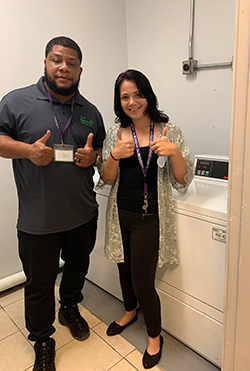
To help respond to this critically important need for clean clothes, Social Current collaborates with CSC ServiceWorks Inc. (CSC), the industry leader in laundry solutions, by participating in its national effort to donate commercial-grade washer and dryer equipment and in-kind maintenance services in 40 communities throughout the U.S. They seek to lighten the load of community members around the country.
“We’re thrilled about the impact our partnership with CSC ServiceWorks is having on community-based organizations and people across the country. Their unwavering belief that laundry is an essential service has helped to improve people’s lives and strengthen the infrastructure and operations of organizations within the Social Current network.” said Jody Levison-Johnson, president and CEO of Social Current.
In 2021, CSC ServiceWorks donated hundreds of washers and dryers as well as ongoing maintenance services to provide reliable laundering operations for organizations and their beneficiaries. This year, the partnership will continue to expand into new markets and offer additional services such as air vending and ongoing machine maintenance.
“When our teams were made aware of the challenges that neighbors face in accessing laundry services and community centers have in maintaining washers and dryers, we jumped into action,” said Rick Martella, executive vice president at CSC ServiceWorks. “We are honored to partner with Social Current to bring laundry services closer to home and show our neighbors we care about their success. This is part of CSC’s ongoing mission to provide critical services that enable people to succeed.”
Through its CommunityWorks initiative, CSC ServiceWorks helps people be ready for school, work, and life. The company applies its resources, and skills to spotlight this mostly hidden laundry challenge and rally others to take action.
The impact of these donations is being felt far and wide. One participating organization, PB&J Services in Albuquerque, New Mexico, is using its new commercial laundry machines in its pre-K class and community center. “We now have access to reliable laundry equipment that can be used to clean masks, children’s dirty clothing, towels, and other supplies. We also are providing clean clothing for clients, which removes a barrier to confidently accessing employment, education, and community services and improving overall self-image and well-being,” said Tashi Swierkosz, development & communications manager at PB&J Services. She went on to share, “The CSC employees made the installation process as smooth as possible. They were very responsive, compassionate, and enthusiastic about supporting PB&J and our families.”
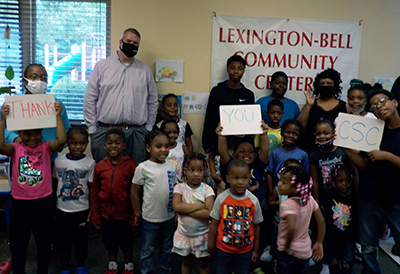
PB&J is one of 20 organizations that have received equipment in 2021. A few other beneficiaries include:
- Casa Central Social Services Corporation in Chicago, helps families experiencing homelessness by providing interim housing, case management and support services. This donation has enabled families to do their own private laundry and have access to clean clothes.
- Ruth Ellis Center Kofi House program serves low-income LGBTQ youth in Detroit. Thanks to this donation, clients do not have to decide between clean clothes or food on the table.
- Shiloh House in Littleton, Colorado, provides therapeutic care and a home-like environment for foster youth who have experienced abuse and neglect. The new equipment allows young people the opportunity to do their own laundry and gain autonomy and responsibility.
To facilitate this laundry initiative, Social Current connects local CSC teams with community-based organizations to assess laundry operation needs and install new equipment. If your organization is interested in exploring a potential relationship with CSC ServiceWorks for donated commercial laundry equipment and service, air vending service and volunteer engagement in 2022 please contact Emily Merritt, corporate relations manager at Social Current, to determine your eligibility.
About CSC ServiceWorks
CSC is the leading consumer services platform company in North America that delivers technology-enabled laundry services in the multifamily, academic, and hospitality markets and tire inflation services in the convenience store and gas station space. We work to make life easier by providing seamless experiences and world-class service to millions of consumers, property managers, and owners every day. Our engaged team members continue to innovate and lead our industry as we find new ways to deliver value to our customers and the communities we serve.
Social Current is currently leading a highly inclusive and collaborative process to engage its network in developing its federal policy agenda for 2022-2024. The agenda-setting process will determine the federal policies and issues of focus for our network’s collective policy and advocacy work.
This series of focus groups, held in February and March, will capture critical feedback from the Social Current network on policy issue areas. All Social Current network organizations, including those that have purchased engagement packages or are pursuing or have achieved COA Accreditation, are strongly encouraged to participate in relevant focus groups. We welcome the input of leaders at all levels. Don’t forget to sign up for at least one!
The series of policy agenda-setting focus groups includes:
- Social Sector Health & Excellence: Feb. 16 from 3-4 p.m. ET
- Social Determinants of Health & Health Equity: Feb. 17 from 2-3 p.m. ET
- Child & Family Well-Being: Feb. 22 from 2-3 p.m. ET
- Economic Mobility: Feb. 23 from 4-5 p.m. ET
- Education: Feb. 24 from 3-4 p.m. ET
- Advancing Equity: March 3 from 3-4 p.m. ET
Update on State Funds from the American Rescue Plan
In the American Rescue Plan Act, passed in March 2021, states were allocated $195 billion to help fill budget gaps caused by the pandemic and to invest in the recovery. So far, states have spent about half of these dollars, with the rest expected to be released in states by May. States have used these funds for a variety of issues, including balancing their budgets; providing health care services; strengthening food, housing, and other social services; investing in economic development; and beefing up education systems. About $90 billion is left to be spent, and negotiations are ongoing. The governor of Kentucky, for example, has proposed $400 million in bonuses for front-line workers who stayed on the job throughout the pandemic.
On Jan 6, the Treasury Department issued its Final Rule on these state funds, as well as funds for localities. The rule, which builds upon the department’s interim rule published last year, greatly clarifies questions around accessibility for nonprofit organizations. The rule states that nonprofits can be eligible for financial assistance based on criteria such as decreased revenue, financial instability, and increased expenses. It also clearly states that nonprofits can receive funds as providers of services to the community, not just as recipients of assistance. Premium pay for essential workers is also encouraged.
Supreme Court Vaccination Ruling
Last week, the Supreme Court blocked the Biden administration’s “shot or test rule,” which would have required employers with at least 100 workers to mandate vaccination or weekly testing, affecting an estimated 80 million employees. The Supreme Court effectively stopped the rule on Jan. 13. States continue to have a patchwork of different laws and executive actions that either restrict, ban, or mandate vaccines within private businesses. For example, Montana and Tennessee have bans on employers requiring vaccines. Alabama, Alaska, Missouri, and Wyoming all have state laws or executive orders prohibiting enforcement of a federal mandate. Additionally, 26 states have their own workplace safety agencies, and have been waiting on the Supreme Court ruling before moving forward on their own standards. The remaining states are subject to OSHA’s standards.
Without the federal mandate, businesses and nonprofits are making their own vaccine policy choices. Many already require vaccines, but one in three had planned to do so only if the OSHA rule survived. The rise in Omicron variant cases may encourage mandates, as rising numbers of workers are out sick.
Separately, the Supreme Court upheld the federal vaccine mandate for health care workers in Medicare and Medicaid participating facilities, allowing it to go into effect. The third mandate, focused on federal contractors, remains in limbo after a district court blocked it.
Family First Prevention Services Clearinghouse Updates
Recently, the Family First Prevention Services Clearinghouse announced that 121 program and service recommendations were submitted during the most recent call, which closed Dec. 21, 2021. The clearinghouse has received 1,500 nominations to date. It will continue to convene public calls for recommendations on a regular basis. The clearinghouse shared that it will be prioritizing programs and services recommended by state or local government administrators in response to the 2018 Federal Register notice, programs rated by other clearinghouses, those recommended by federal partners, or those evaluated as part of grants supported by the U.S. Children’s Bureau.
Voting Rights Bills Die in the Senate
On Wednesday night, President Joe Biden and Senate Majority Leader Chuck Schumer (D-N.Y.) failed to deliver the votes necessary to pass two voting and elections bills, the Freedom to Vote Act and the John Lewis Voting Rights Act. In an initial vote, the Senate split 50-50 along party lines to end debate and advance the bills for a final vote, thereby failing to overcome the 60-vote threshold known as the filibuster. In a second vote, which would’ve suspended the super majority threshold for advancing voting rights bills, two Democrats, Joe Manchin (D-W.V.) and Kyrsten Sinema (D-Ariz.), voted in opposition, along with all Republicans, which denied Democrats the majority vote needed to change the filibuster rule and advance the bills. After a long, concerted effort by Schumer to win over moderates in his own party, this is a major blow to the prospect of voting reform.
President Biden and Chuck Schumer have vowed to continue the fight to protect voting rights and the integrity of elections. A small bipartisan group of moderates in both parties have begun discussions around reforming the Electoral Count Act, which could potentially clarify the role of Congress and the vice president in certifying presidential elections. However, such a bill would leave out voting rights provisions that would expand voting accessibility—a major priority for Democrats. It is unclear where the debate goes from here, but there’s no doubt that the filibuster rule emerged from this latest confrontation unscathed and will continue to force both parties to work together and compromise.
Source: Bloomberg Government
USDA and DHS Reiterate Change to “Public Charge” Rule
In a joint letter, the Departments of Agriculture and Homeland Security announced that the receipt of Supplemental Nutrition Assistance Program (SNAP) benefits will not be used to determine eligibility for permanent residency or citizenship. Under the Trump administration, DHS updated the “public charge” rule, declaring that immigrants’ participation in SNAP, as well as other public benefit programs, could weigh negatively on applications for changes in status. To encourage the use of SNAP for families that need it, regardless of immigration status, the Biden administration vacated the “public charge” rule for SNAP beneficiaries on March 9, 2021. Despite this action, advocates cited continued reluctance among immigrant communities to participate in SNAP, so the latest announcement reiterates the rule change. USDA and DHS also included a template letter that local entities can send to community members, communicating the effects of the administration’s decision.
USDA Announces More Funding for School Meals
The Department of Agriculture announced an extra $750 million in funding for school meal programs to help school districts keep up with rising food prices. In a statement, USDA said that funding for these programs does not usually change in the middle of the school year; however, inflation requires more funds to ensure children get enough to eat. The reimbursement rate for the school year was already 15% higher than the standard rate for free lunch. With this new funding, the rate will be 22% higher than normal. This change is part of a proactive effort by the USDA to ensure that children are healthy and well-fed during the ongoing pandemic. Other investments include $1 billion for school meal programs and nationwide waivers that give schools added flexibility in distributing meals to students and families.
Social Current is currently leading a highly inclusive and collaborative process to engage its network in developing its federal policy agenda for 2022-2024. The agenda-setting process will determine the federal policies and issues of focus for our network’s collective policy and advocacy work. Our coordinated and connected efforts will provide the Social Current network with the support and influence needed to engage their boards, staff, and communities in achieving federal policy change.
“Social Current has tremendous ability to advocate for policies that equitably support our organizations and communities. By bringing together the Alliance for Strong Families and Communities and Council on Accreditation, we have greatly increased our reach and our impact,” said Social Current President and CEO Jody Levison-Johnson. “The development of our policy agenda is a critical step toward realizing our network’s collective power and influence.”
For an overview of our policy work, opportunities for network engagement, and the policy agenda-setting process, watch our on-demand webinar, Engaging in Policy Advocacy with Social Current.
Complete the Survey
Provide your input through this brief survey by Friday, March 11. It should take about 20 minutes to complete and only needs to be submitted once per organization.
Participate in Focus Groups
A series of focus groups will be held in February and March to capture critical feedback from the Social Current network on policy issue areas. All Social Current network organizations, including those that have purchased engagement packages or are pursuing or have achieved COA Accreditation, are strongly encouraged to participate relevant focus groups. We welcome the input of leaders at all levels.
The series of policy agenda-setting focus groups includes:
- Social Sector Health & Excellence: Feb. 16 from 3-4 p.m. ET
- Social Determinants of Health & Health Equity: Feb. 17 from 2-3 p.m. ET
- Child & Family Well-Being: Feb. 22 from 2-3 p.m. ET
- Economic Mobility: Feb. 23 from 4-5 p.m. ET
- Education: Feb. 24 from 3-4 p.m. ET
- Advancing Equity: March 3 from 3-4 p.m. ET
Register now to participate in the focus groups.
All people want the same things: To earn, learn, and belong.
But not everyone has access to the supports needed to achieve this. National Poverty in America Awareness Month is observed each January by shining a light on one of the most pervasive and persistent problems in society. This year’s observance is more vital given the devastation in families and communities throughout the country due to the coronavirus pandemic and subsequent economic upheaval.
Racially based poverty that is deeply embedded in all levels of society is particularly problematic. Tackling the complex barriers to socioeconomic mobility (SEM) requires thoughtful and sustained strategies, which is why Social Current has worked to identify opportunities for collective action that are grounded in racial equity and multigenerational approaches to family and community success. Social Current works with individuals and organizations across the country to advocate for and implement equitable solutions to society’s toughest challenges. Many community-based organizations (CBOs) employ innovative and sustainable practices to meet those challenges, such as asset-based community development, food- and wellness-based systems change, neighborhood-created resource development, and a racial lens for effective school-based interventions.
Collaboration and shared goals are necessary to create lasting change.
Impacting the root causes of poverty and amplifying opportunity takes intentionality and commitment between human and social sector CBOs, health entities, foundations, government entities, and all of those who make up the human and social sector ecosystem.
Several strategies have clear urgency for Social Current in 2022:
- Mitigating the impact of COVID-19 and advancing health equity
- Using brain science to improve the social determinants of health
- Pursuing partnerships that strengthen educational success
- Applying a population health approach to prevent and reduce child injuries and fatalities
- Leveraging the impact of CBOs
- Formulating policy and advocacy from a race equity lens
Learn how organizations are reducing economic inequality and racism.
Browse the Social Current Knowledge and Insights Center, our comprehensive online learning catalog and resource library, for examples on how CBOs across the country are working with residents and cross-sector partners to improve health, well-being, and financial security for individuals and families. Plus, provide feedback to the library team on two new comprehensive EDI-related databases. Learn more.
Note: The resource library is only available to staff of organizations that are Social Current Impact Partners. Learn more about our Impact Partnerships online and contact us to get engaged.
Follow the research and examine studies from the field on what works:
- Addressing the Causes and Effects of Poverty: Alliance Network Best Practices
- Principles and Innovations to Drive Family Prosperity, Ascend at the Aspen Institute, June 2020
This report details principles and solutions that can advance the economic success and well-being of children and families; highlights insights and solutions coming out of Family Prosperity project; and shares innovative approaches being used by employers and implemented through local, state, and federal policy. - Connections Among Poverty, Incarceration, and Inequality, Institute for Research on Poverty, University of Wisconsin-Madison, May 2020
Policy changes that have criminalized social problems such as homelessness, mental illness, and drug or alcohol problems—all disproportionately experienced by people of color—have also perpetuated poverty and racial inequality across generations. - The Economic Impact of Closing the Racial Wealth Gap, McKinsey & Company, August 2019
New research quantifies the positive impact on the U.S. economy of closing the wealth gap for Black families and identifies key sources of this socioeconomic inequity which contributes to intergenerational economic precariousness. - Jeremiah Program
A two-generational initiative to disrupt the cycle of poverty for single mothers and their children through a combination of quality early childhood education, a safe and affordable place to live, and empowerment and life skills training.
Take a deep dive with poverty trends and influence areas:
- Child Poverty: The State of America’s Children® 2021
State-level decisions about benefit allocation and amounts are too often rooted in historical racism and have disparate impacts on Black families. This pandemic has exposed how unequal our pre-COVID economy was: families were working to take care of their children, but the unjust and unequal economy built by our political leaders was not working for them and left millions of children behind. - Child Poverty Increased Nationally During COVID, Especially Among Latino and Black Children
A new collection of data provide a first nationally representative look at how the pandemic has changed poverty for children of color. Poverty rates among Latino children rose by 4.2 percentage points, from 23.0 percent to 27.3 percent, and by 2.8 percentage points among Black children, from 26.4 percent to 29.2 percent. This amounts to an increase of approximately 700,000 more Latino children and 268,000 more Black children living in poverty in 2020, relative to 2019. In contrast, the rates of White and Asian children in poverty remained relatively stable. - Fixing America’s Poverty Problem Starts with Telling a New Story
The racist and classist way poor people are talked about in the U.S. is part of the reason why failed policies stay in place. The narrative around poverty needs a radical shift. We absolutely can implement bold policies on the local, state and federal levels that will dramatically change the trajectory of people’s lives, eliminate poverty and improve the nation’s productivity. But we can only achieve that kind of change if we disrupt and replace the current narrative on poverty based on harmful stereotypes that blames people for their struggles — labeling them as lazy, corrupt, unintelligent or worse — and deems them undeserving of our trust, our investment or even their own dignity. - Racial Wealth Gap May Be a Key to Other Inequities
A study on the “fading American dream” concluded that “absolute mobility — the fraction of children who earn more than their parents — has declined sharply in America over the past half century primarily because of the growth in inequality. Economic mobility rates are lower in the U.S. than in some European countries, and the American dream seems to grow more unreachable as inequality grows. Authors warn the government must address the problem as large sectors of the American population sink into despair and frustration.
Last week, Senate Majority Leader Chuck Schumer (D-N.Y.) announced his goal to pass two voting rights bills called the Freedom to Vote Act and the John Lewis Voting Rights Act before Jan. 17, Martin Luther King Jr. Day. The bills would expand access to the ballot box, prevent interference with election administration, and modernize the federal voting system, and reinstitute voting rights protections gutted by the Supreme Court in 2013. With all Republicans in the Senate opposed, the bills have little chance of passing unless the Senate votes on a rule change that weakens the 60-vote threshold known as the filibuster, allowing a simple majority of 50 senators to pass a bill. Sens. Joe Manchin (D-W.V.) and Kyrsten Sinema (D-Ariz.), two must-need votes for Democrats, continue to express skepticism of eliminating the filibuster, though the former has publicly stated he is in discussions with members on both sides of the aisle about rules changes.
In the background of these negotiations is the one-year anniversary of the Capitol insurrection attempting to overturn the 2020 presidential election. Many Democrats argue that the Freedom to Vote Act would shore up elections and increase faith in the democratic process. As a compromise, Minority Leader Mitch McConnell (R-Ky.) has floated the idea of reforming the Electoral Count Act. So far, Schumer has written off McConnell’s overture, arguing that changing the Electoral Count Act is insufficient to confront the many challenges the election system faces.
Meanwhile, Congress and the administration remain stalled in negotiations over the Build Back Better Act. These efforts halted in December when negotiations between Sen. Joe Manchin (D-W.V.) and President Biden broke down. Manchin’s vote is needed to pass the legislation. Meanwhile, several tax provisions expired at the end of 2021, including the expanded Child Tax Credit, the Earned Income Tax Credit enhanced benefits, and the Universal Charitable Deduction for non-itemizers. It is unclear what the path forward will look like, but the recent omicron variant spike is reinvigorating some bipartisan conversations around targeted relief provisions.
Supreme Court to Hear Vaccination Requirement Cases
From the National Council of Nonprofits:
The U.S. Supreme Court began hearing oral arguments last Friday concerning the legality of the Biden administration’s vaccination requirements in millions of organizations. At issue are the OSHA emergency temporary standard affecting employers with 100 or more employees and a rule from the Centers for Medicare and Medicaid Services applicable to staff of employers receiving payments from the federal health care programs.
States and businesses have filed lawsuits in every federal circuit court challenging the authority of the federal government to mandate vaccinations or ongoing testing. Many courts acting on the cases have stayed enforcement of the requirements. However, on Dec. 15 a panel of the Sixth Circuit Court of Appeals lifted the stay in a consolidated case, setting the stage for consideration by the Supreme Court this week. Employers are hoping for a quick resolution by the court because OSHA enforcement is slated to begin as early as Monday, Jan. 10.
ACA Enrollment Soars Due to American Rescue Plan
The Department of Health and Human Services announced that 13.6 million people have enrolled in health insurance coverage for 2022 through Affordable Care Act exchanges, an all-time record for signups. The American Rescue Plan (ARP), passed in March 2021, made premiums more affordable by expanding subsidies for covered plans. As a result, 92% of signups will receive premium tax credits to help with monthly payments. The policy changes under the ARP allowed 400,000 people to enroll who would otherwise have not been able. Families still have time to enroll during the special enrollment period, which lasts until Jan. 15, 2022. Over 1,500 certified navigators are available throughout the country to walk consumers through the enrollment process.
No Surprises Act Takes Effect
On Jan. 1, 2022, consumers gained financial protection from surprise health care bills from emergency rooms visits, elective surgeries, and hospital births. Before, consumers in the private insurance marketplace were subject to surprise medical bills from out-of-network providers, facilities, and air ambulance providers. The No Surprises Act bans surprise bills for emergency care as well as for elective procedures performed by certain out-of-network providers in in-network hospitals. It requires providers to charge in-network rates for these types of visits and to provide patients with transparent information regarding their billing protections. For uninsured patients, providers are required to provide a “good faith estimate” of costs before providing non-emergency care.
Senate Hearing on Economic Development in Underserved Communities
On Jan. 5, 2022, the Senate Subcommittee on Housing, Transportation, and Community Development held the hearing, “Exploring How Community Development Financial Institutions Support Underserved Communities.” The hearing covered the topic of tackling economic disparities through expanded financial services and capital investment in communities of color, Tribal lands, and rural communities. In particular, the hearing addressed two bills, the CDFI Bond Guarantee Program Improvement Act and the Native American Rural Homeownership Improvement Act, cosponsored by Sens. Tina Smith (D-Minn.) and Mike Rounds (R-S.D.). The first bill would allow Community Development Financial Institutions (CDFI) to access long-term, secure funding to invest in underserved areas. The second bill would help native communities increase home ownership with expanded access to mortgages.
Social Current has collaborated with Prevent Child Abuse America on a new toolkit to help community-based organizations understand how to advocate for and access funds available through recent opioid settlements with pharmaceutical companies. The prevention and treatment services that community-based organizations provide are essential to addressing the ongoing opioid epidemic.
After a lengthy legal process to hold companies accountable for downplaying the addictiveness of opioids, 47 states have settled with opioid manufacturers, pharmaceutical distributors, and pharmacies for $26 billion. Separate opioid settlements are in process or concluded in the remaining states as well as additional localities. Though the funds resulting from the major settlement are temporarily in limbo because of legal action taken by the family that owns Purdue Pharma, these resources will ultimately be used to address the opioid crisis, and it is critical that community-based organizations begin preparing now to ensure that these funds are used not just for treatment, but also for prevention.
The settlement funds, proposed to be disbursed over the next 18 years and frontloaded at the beginning, will go to states and localities for the purpose of addressing the opioid epidemic. As these funds flow to entities across the nation, community-based organizations must have a seat at the table to decide how these funds are spent locally. These will be significant investments in the kinds of services our sector provides. The deep impact of the opioid epidemic has made it clear that a major part of the solution will be strengthening communities with upstream resources and supports.
This guide offers tools and resources to help community-based organizations navigate the complex legal and legislative process. Organizations should reach out to relevant stakeholders immediately, as these decisions are being made now in many states.
Download the toolkit from the Policy Action Center.